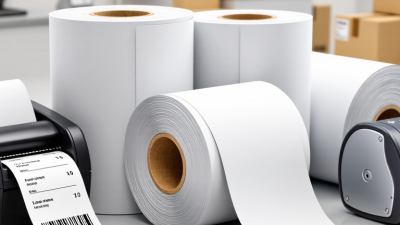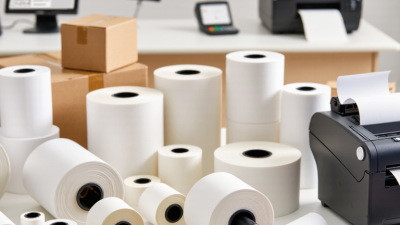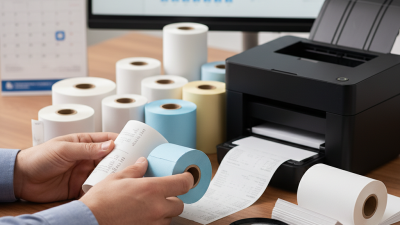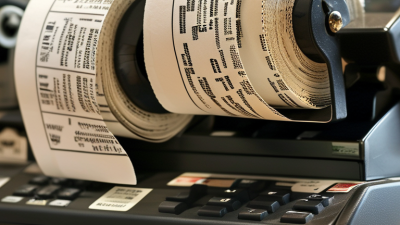
In 2026, choosing Receipt Rolls is a practical decision with daily consequences. A roll that is too wide, too large in diameter, or wound around the wrong core can jam a printer or slow a checkout. The right choice starts with your printer’s specifications, then considers paper quality, roll length, storage conditions, and how clearly receipts must print. Small details matter. A faint total can frustrate a customer; a roll change during a lunch rush can hold up the line.
Market context makes this decision worth careful attention. Grand View Research estimated the global thermal paper market at USD 4.3 billion in 2023 and projected growth through 2030. Thermal paper serves uses beyond retail receipts, so this figure is not a measure of receipt-roll sales alone. It does, however, show the scale of the material category behind many point-of-sale transactions. For operational guidance, a useful expert voice is the printer manufacturer’s technical team: its model-specific instructions are more reliable than a generic supplier’s claim that a roll “fits most machines.” I cannot verify a named Receipt Rolls specialist’s quotation from the information provided, so I won’t invent one.
This guide explains how to match roll dimensions to your printer, compare standard and longer-length options, and assess print clarity and handling needs. It also considers how storage affects receipts over time. The aim is simple: help you choose rolls that fit, feed smoothly, and stay legible—without paying for specifications your business does not need.
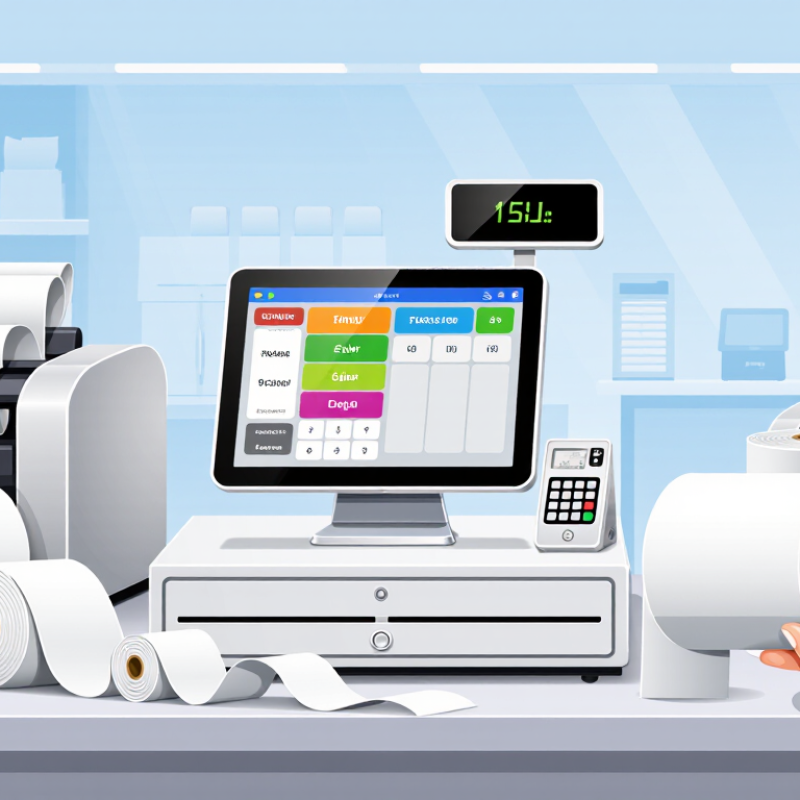
Before ordering receipt rolls, identify the printer type. Check the label on the printer or its manual; thermal models use heat-sensitive paper, while impact models need plain paper and an ink ribbon. The distinction matters. A roll that fits the compartment may still print poorly if the paper type is wrong. If the manual is unavailable, inspect a recent receipt and test a small sample roll before buying in bulk.
Measure the paper width and roll diameter, then check the core diameter and feed direction. A ruler can help, but printer specifications are more reliable than a rough estimate. For example, a roll that is slightly too wide may rub against the holder, while an oversized roll may prevent the cover from closing. Small details matter. Consider the setting, too: a busy counter may need longer rolls to reduce changeovers, while a mobile printer needs compact rolls that fit its case. Confirm whether the paper is coated for thermal printing and whether the core fits the spindle. I have seen people rely on an old roll’s appearance alone; it is an easy mistake, and not always a useful guide. Do not guess. Check the printer’s stated specifications before placing a repeat order.
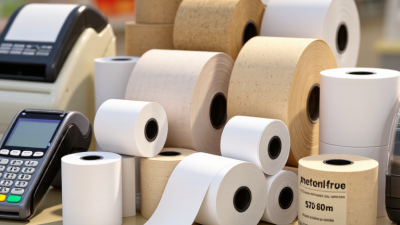
Thermal paper reacts to the printer’s heated printhead, so it needs no ink ribbon. It works well for busy counters where speed and simple loading matter.
But heat, sunlight, and friction can fade the printed details. A receipt left beside a sunny window may become hard to read.
Tips: Check your printer’s manual before ordering. Match the paper width, roll length, and core size. Test one roll during a normal shift; paper that fits but feeds poorly can waste staff time.
Bond paper uses ink, usually from a ribbon in a compatible impact printer. It can be a practical choice where receipts face heat or need to remain readable longer, though storage conditions still matter.
You may also need to track ribbon changes and keep spare supplies nearby.
The trade-off is not perfectly neat: thermal paper saves steps, while bond paper adds upkeep. Consider your printer, daily receipt volume, and how customers store receipts. Choosing the cheapest roll alone can be a false economy. Just one detail is easy to miss: confirm the roll’s length, since frequent replacements interrupt even a quick checkout.
Start with the printer’s specified roll width, usually measured in millimeters. A roll that is too wide may rub against the compartment, while a narrow roll can shift during printing. Check the printer label or manual, then compare it with a ruler. Don’t rely on the old roll alone; it may be a different size from the one the printer requires.
Next, check the roll diameter and core size. Diameter determines how much paper fits inside the printer. Measure the compartment’s usable space, including its lid clearance, before ordering larger rolls. The core is the cardboard tube in the center. Its inner diameter must fit the printer spindle or holder without wobbling. I’ve found this easy to overlook, especially when rolls look nearly identical on a shelf.
Tips: Confirm width, maximum diameter, and core diameter in the printer specifications. If details are missing, measure the holder and compartment carefully. Try one sample roll before buying a case. A quick fit test can reveal a problem that measurements missed. Even careful checks aren’t perfect, so keep the first order modest when switching suppliers or roll sizes.
Match the roll to the printer before comparing prices. Check the required width, core size, and paper type in the printer manual; many checkout printers use direct thermal paper. Print a test receipt with small text, a barcode, and a pale logo. Can staff read it quickly under the store’s actual lighting? A crisp first print matters. But darkness is not everything: excessive heat settings can waste power and may shorten printhead life.
Durability depends on where receipts go after printing. Heat, sunlight, friction, and oily hands can make thermal text fade or smudge. If customers need receipts for returns or records, test a sample after several days in a warm drawer and after handling. That is not a laboratory test, of course. It can still reveal problems that a fresh roll hides. Avoid storing unused rolls near windows, heaters, or cleaning products.
Environmental claims deserve a closer look. Ask for details about recycled content, coating chemistry, and any independent certifications, rather than relying on vague “eco” wording. Some thermal-paper coatings can complicate recycling, and local programs differ. A lower-impact roll is useful only if its print remains readable and your waste stream can accept it. There may be a trade-off. Compare samples, keep the product information, and check how the roll performs in your own checkout routine.
When choosing receipt rolls in 2026, compare usable length, not just the price per box. A cheaper roll may be shorter, have a thicker core, or arrive with costly shipping. Calculate cost per usable meter, then include delivery fees, storage, and the time spent changing rolls. Small differences add up. As a simple check, record how many receipts each roll prints during a busy shift; actual use is more useful than a supplier’s estimate.
Compatibility deserves equal attention. Match the roll width, maximum diameter, core size, and thermal coating to your printer’s specifications. Check whether the printer needs top-coated paper, and test print darkness and legibility before ordering in bulk. Ask suppliers for a sample and written specifications. Grand View Research’s 2023 Thermal Paper Market report valued the global market at about $4.3 billion in 2022, reflecting a broad, varied supply base—not proof that every roll suits every device. This estimate is imperfect for a local purchasing decision.
Keep a short comparison sheet for two or three suppliers: price per meter, delivery time, minimum order, and return terms for incompatible stock. Run the sample through the printer after it has been loaded, not just held against a ruler. Check for faint text, curling, and paper dust. I would not rely on a familiar-looking core alone; specifications can be easy to misread. A small trial order may cost slightly more upfront, but it can expose fit problems before they affect several checkout stations.