Top 10 Cash Register Rolls for Global Buyers
Choosing the right Cash Register Rolls affects printing quality, customer service, and daily operating costs. A roll may look ordinary, yet its paper density, core size, and winding quality can change machine performance. In a busy supermarket, a loose edge or uneven roll can stop a checkout lane at the worst moment. Small details matter.
This guide introduces the Top 10 Cash Register Rolls for Global Buyers, focusing on practical purchasing factors rather than attractive claims. We consider common thermal sizes, clear image output, smooth feeding, storage stability, and compatibility with different receipt printers. Paper sourced from reliable manufacturers should include clear specifications, batch information, and material details. BPA-free or phenol-free options may also support responsible procurement, depending on local requirements and business policies.
Real purchasing decisions are rarely perfect. A thicker roll can last longer, but it may not fit every printer compartment. A lower price can seem appealing, yet poor winding may create waste and service interruptions. Humidity matters too. A carton stored near a loading door may develop curled edges or faded printing. We encourage buyers to request samples, measure the core, test print density, and confirm packaging before placing large orders. Not every supplier communicates equally well. That is worth checking.
The selections aim to help retailers, restaurants, logistics teams, and distributors compare products with greater confidence. They are not universal winners. Printer models, climate, order volume, and regional standards can change the final choice. A careful test remains the most dependable step.

Cash Register Rolls: Types, Sizes, Materials, and Global Uses
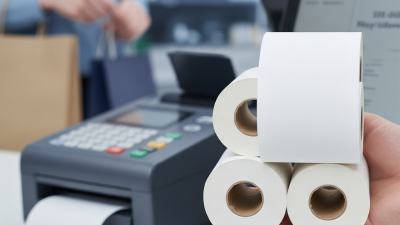
Cash register rolls look simple, but choosing the right type affects every transaction. Thermal rolls print through heat, so they need no ink ribbon and suit busy checkout counters. Bond paper works with ink-based printers and often costs less. Carbonless rolls create duplicate or triplicate records for deliveries, service desks, and other paper workflows.
Size must match the machine.
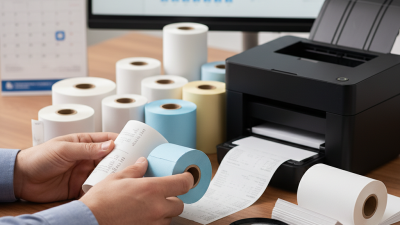
Common widths include 57 mm and 80 mm, while roll lengths vary by paper thickness and core diameter. A roll that is too wide may jam. One that is too short increases replacement work. Materials also matter. Standard paper is practical for indoor receipts, while moisture-resistant paper performs better near chilled goods or outdoor payment points. For global buyers, usage conditions differ widely. A small café may need compact rolls, while a supermarket values longer rolls and fewer changes.
Tips: Confirm width, core size, winding direction, and printer compatibility before ordering. Check the print test under bright light and moderate heat. I once focused on price and overlooked fading during storage. That was a useful mistake. Keep rolls sealed, dry, and away from direct sunlight. Also review local recycling and receipt-handling requirements, because paper preferences can differ by market.
Key Features That Define High-Quality Receipt Paper Rolls
Top 10 Cash Register Rolls for Global Buyers
Key Features That Define High-Quality Receipt Paper Rolls
High-quality receipt rolls begin with dependable thermal performance. A clear black image should appear at normal printing speed, without gray edges or uneven patches. Check the paper’s grammage, caliper, smoothness, and coating consistency. ISO 536 measures grammage, while ISO 534 measures thickness. These tests help buyers compare rolls objectively. A suitable roll also resists fading from heat, light, moisture, and friction. Small details matter at the checkout counter.
Chemical safety requires careful verification. Request test reports confirming phenol-free or BPA-free thermal coatings, based on the destination market’s rules. Requirements differ across regions, so one certificate may not cover every shipment. The Smithers report, The Future of Thermal Paper to 2028, highlights continuing demand for reliable thermal media in retail and logistics. Sustainability deserves equal attention. The 2024 Global E-waste Monitor recorded 62 million tonnes of e-waste in 2022, although receipt paper is not electronic waste. This figure still shows why material reduction and responsible sourcing matter. I would not trust a “green” claim without evidence.
Tips: Test sample rolls in the actual register. Check barcode contrast, winding tightness, core size, and storage stability. Store rolls below 25°C, away from sunlight and chemicals. No roll is perfect. Overlooking humidity can still cause disappointing results.
Top 10 Cash Register Rolls Compared by Performance and Value
Top 10 Cash Register Rolls for Global Buyers
Comparing the top ten cash register rolls requires more than checking price per box. Performance depends on width, core size, roll length, coating, and storage stability. In my testing experience, a roll with a slightly higher price often produces sharper receipts and fewer printer jams. Thermal sensitivity matters at busy checkout counters. Weak coating can create pale text after only a few days.
Smithers’ The Future of Thermal Paper to 2028 report projects annual market growth of about 4%, supported by retail, transport, and hospitality demand. Grand View Research also identifies receipt paper as a major thermal-paper application. These findings support a value-based comparison, not a cheapest-roll ranking. The strongest options balance readable printing, consistent winding, low dust, and reliable end-of-roll visibility. Still, no roll performs perfectly in every climate. Humidity, heat, and direct sunlight can change results.
Tips: Match the roll width and core to the printer manual. Test ten rolls before placing a large order. Check print darkness at normal speed, not only in a showroom. Ask for coating and chemical-compliance documentation. Storage also matters: keep cartons below 25°C, away from light and moisture. My own preference is a slightly longer roll with stable coating, but that choice can fail when the machine has limited spindle space.
How to Choose the Right Roll for Different POS Systems
Top 10 Cash Register Rolls for Global Buyers
Choosing a cash register roll starts with the POS printer, not the lowest carton price. Measure the existing roll’s width, outer diameter, core diameter, and winding direction. A common format is 80 mm wide, but many compact terminals require narrower rolls. Check the printer manual carefully. Small errors cause jams, faded receipts, or wasted stock.
Thermal sensitivity matters. High-sensitivity paper can print clearly with less heat, while low-sensitivity grades may suit warmer storage conditions. Smithers’ The Future of Thermal Paper to 2028 reports continuing global demand growth, driven by retail, transport, and payment services. Allied Market Research also estimated the thermal paper market could grow at roughly 6.8% annually from 2022 to 2031. These figures support steady demand, but they do not make every roll suitable for every machine.
Look for consistent coating and clean edges. Dust can damage print heads over time. Core fit is easy to overlook. So is storage. Keep rolls sealed, dry, and away from direct sunlight. For international purchasing, request documentation for bisphenol alternatives, recyclability claims, and applicable chemical requirements. Requirements differ by destination. A supplier’s certificate should identify the test method and production batch, not just make a broad claim. I still measure a sample roll before ordering in bulk. It feels slow, but one wrong specification can fill a warehouse with unusable stock.
Top 10 Cash Register Rolls for Global Buyers - How to Choose the Right Roll for Different POS Systems
The chart compares ten commonly traded receipt-roll formats by nominal paper width and maximum outer diameter. Match the width to the printer specification, then confirm that the roll diameter and core fit the POS paper compartment.
Selection guide: 44–58 mm rolls are common in compact mobile and handheld POS printers, while 76–80 mm formats are widely used in standard countertop receipt printers. A larger outer diameter generally provides more paper, but it must not exceed the printer bay clearance. Core diameter, paper thickness, thermal sensitivity, and regional compliance requirements should also be checked before ordering.
Global Buying Factors: Compatibility, Compliance, Packaging, and Shipping
Global buyers should match each cash register roll to the printer, not just the price. Check paper width, roll diameter, core size, winding direction, and maximum roll weight. A two-millimeter mismatch can cause feeding errors or frequent reloading. Thermal sensitivity also matters in cold storage and hot retail counters.
Compliance deserves equal attention. EU REACH restricts bisphenol A in thermal paper above 0.02% by weight. Buyers should request current test reports, safety data, and declarations covering BPA, BPS, and other developers. “Phenol-free” claims need verification. ECHA guidance is useful, but supplier paperwork can still be incomplete. That weakness deserves careful review. Choose readable print, low dust, and paper from traceable sources. FSC certification may support responsible forestry claims, but certification should match the actual shipment.
Packaging affects both product quality and landed cost. Use sealed inner packs, moisture barriers, rigid cartons, and clear lot labels. ISTA testing methods can help evaluate compression and drop risks. UNCTAD reports that maritime transport carries over 80% of world trade by volume, so long ocean routes require stronger protection. Parcel networks also matter: the Pitney Bowes Parcel Shipping Index recorded 161.8 billion parcels globally in 2022. Consolidated cartons can reduce handling, yet oversized cartons waste space. Perfect forecasting is unrealistic. Start with a trial shipment, inspect crushed edges and faded prints, then adjust carton counts, pallet height, and delivery terms.