Thermal Printer Rolls may look like simple paper cylinders, but the right roll can determine whether a receipt prints sharply, feeds smoothly, and remains readable. A thermal printer uses heat to create text and images on specially coated paper, without ink cartridges. That makes roll width, length, core size, and coating important details—not minor purchasing choices. A mismatch can cause faded text, paper jams, or a roll that will not fit the printer.
As [verified thermal-printing expert’s name] puts it, “A reliable print begins with a roll that matches the printer and the job.” Insert a verified expert quotation before publication; a named source should not be guessed. This guide explains the main types available, including standard direct thermal rolls, long-lasting options, and specialty rolls for different work settings. You will also see how to compare dimensions, paper quality, and storage needs. Feel the paper, if you can. A smooth finish and clean edges can tell you something, though they do not replace checking printer specifications.
The choice is practical. A busy checkout counter may need consistent, fast-printing receipt rolls, while a shipping station may prioritize clear labels that stay legible during handling. Yet not every printer or task needs a premium roll. This is easy to overlook. We will look at what each type offers, where it fits, and which details deserve a second check before you order.
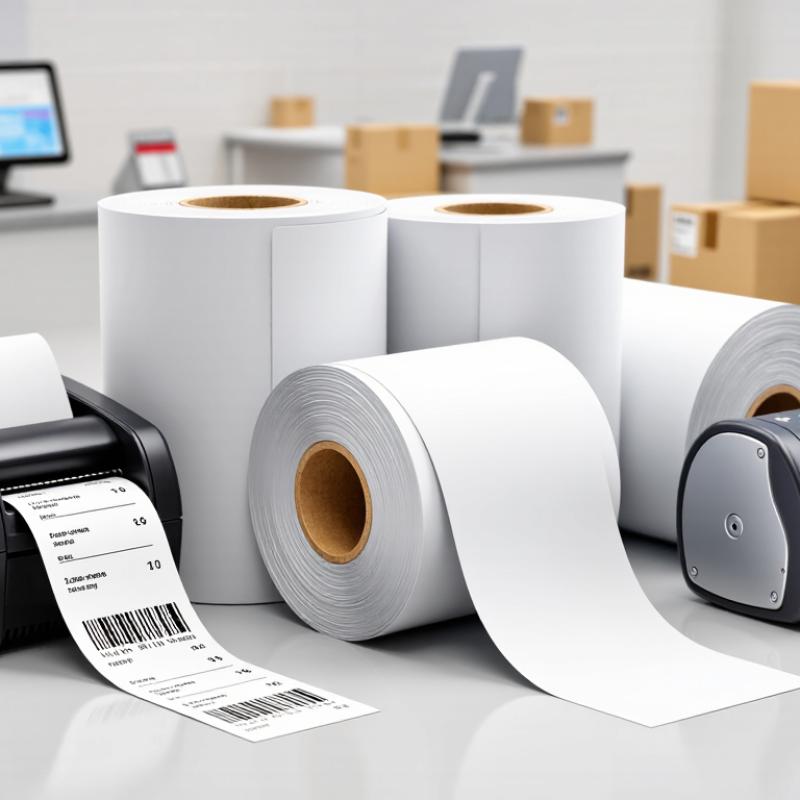
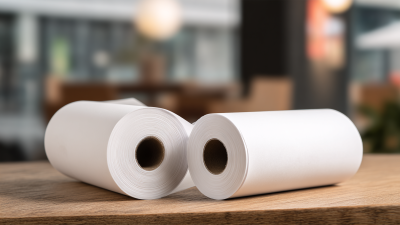
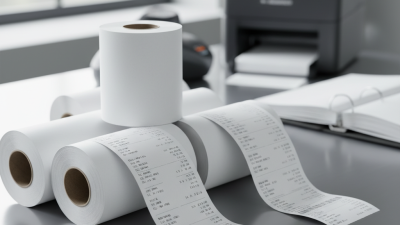
Thermal printer rolls are continuous sheets wound around a cardboard core. Their surface is designed to create text or images when heated, so direct thermal printing needs no ink cartridge. The paper may feel smooth, but it carries a thin, heat-sensitive coating. Receipts, queue tickets, and shipping labels are common examples. Different printers require different roll widths, core sizes, and paper types.
Inside a direct thermal printer, a printhead contains many tiny heating elements. As the paper passes beneath it, selected elements warm specific spots. Those spots darken, forming letters, barcodes, or simple graphics. The result appears quickly. Thermal transfer printers work differently: heat moves ink from a ribbon onto label material. It is easy to assume every thermal roll works the same way, but the printer and media must match. Direct thermal prints can also fade with heat, sunlight, or friction.
Tips: Check your printer’s manual for roll width and core dimensions before buying. Keep spare rolls away from hot windows and damp areas. If printing looks pale, check the roll direction and printhead for dust; these small details are easy to miss.
Thermal printer rolls are built from a paper base and several functional coatings. The base is usually cellulose paper, chosen for smooth feeding and consistent thickness. A primer, or precoat, helps create an even surface and limits coating absorption. Above it sits the heat-sensitive layer, where heat triggers image formation.
That layer commonly combines a leuco dye, a developer, a sensitizer, and binders. The dye creates the visible mark; the other ingredients help control how quickly and clearly it appears. A protective topcoat can resist moisture, oils, and handling, while a back coating may reduce curl or friction. The U.S. Environmental Protection Agency’s 2014 alternatives assessment reports that BPA was typically about 1–2% of thermal paper by weight. Formulas vary, though, and that figure should not be treated as a specification for every roll. The chemistry is useful, but not perfect: heat, sunlight, and storage conditions can still affect print quality.
Tips: Check roll width, core size, and paper weight against the printer’s manual. Look for a smooth, even surface and cleanly cut edges. Store rolls away from windows, heaters, and damp areas. Small details matter. A roll that fits poorly can cause feeding problems, even when its coating is suitable.
Thermal rolls use heat-sensitive coating on a base material to create images without ink. This chart compares components found in three illustrative constructions: standard receipt paper, top-coated receipt paper, and direct thermal label stock. Counts indicate how many of these three constructions typically include each component—not market shares.
Receipt rolls typically consist of a paper substrate and a thermosensitive layer. A protective topcoat may improve resistance to moisture, oils, or abrasion. Label stock may also include pressure-sensitive adhesive and a release liner; exact constructions vary by product and application.
Main Types of Thermal Printer Rolls
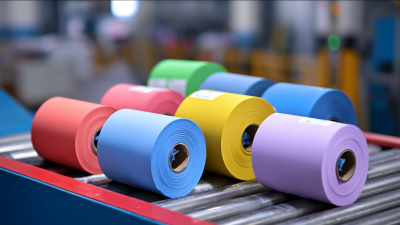
Thermal printer rolls differ by coating, format, and intended use. Standard receipt rolls use direct thermal paper, which darkens under heat and needs no ink ribbon. They suit checkout counters, kiosks, and compact handheld printers. Label rolls are also commonly direct thermal, but use adhesive backing for shipping, shelf, or inventory labels. Thermal-transfer rolls instead work with a ribbon, making them useful when labels need longer-lasting print. Ticket rolls may use heavier stock or colored paper for easier handling. Some systems use multi-ply rolls to create duplicate records, though these are less common in modern thermal setups. Smithers’ thermal-paper market research tracks demand across receipt, label, and ticket applications, reflecting how widely these formats are used. Exact roll specifications still vary by printer.
Tips: Check the printer’s width, core diameter, and maximum roll diameter before ordering. A roll that looks close may jam or print unevenly. Keep direct-thermal paper away from heat and sunlight; fading can happen sooner than expected.
Choose paper based on the job, not just the price. A receipt may need only clear short-term readability, while a product label may face friction, moisture, or outdoor light. For a quick fit check, compare the old roll’s width and core, then test one new roll before buying in bulk. Small detail. It saves waste.
| Roll Type | How It Works | Typical Formats | Common Uses | Important Considerations |
|---|---|---|---|---|
| Direct Thermal Receipt Paper | Heat from the printhead darkens a heat-sensitive coating. No ink or ribbon is required. | Common widths include 57 mm and 80 mm. Roll diameter and core size vary by printer. | Point-of-sale receipts, payment records, queue tickets, and transaction slips. | Images can fade with heat, sunlight, friction, or time. Match the roll width, maximum diameter, and core to the printer. |
| Direct Thermal Label Rolls | Heat-sensitive label material prints directly in a compatible thermal printer, without a ribbon. | Available in many label sizes, including common shipping-label formats such as 4 × 6 in (about 102 × 152 mm). Rolls may be wound on different core sizes. | Shipping labels, product identification, retail price labels, and short-term tracking labels. | Best for applications where labels do not need long-term resistance to heat, light, or abrasion. Check label gap, roll direction, and printer sensor compatibility. |
| Thermal Transfer Label Rolls | A heated printhead transfers ink from a separate ribbon onto the label material. | Rolls come in varied widths, label dimensions, core sizes, and winding directions. | Barcode labels, inventory tags, product labels, and applications requiring longer-lasting prints. | Requires a compatible ribbon. The label face material and ribbon must be suited to the intended environment and printer. |
| Top-Coated Thermal Rolls | Direct thermal paper has an additional protective surface coating over its heat-sensitive layer. | Often supplied in receipt-roll widths such as 57 mm or 80 mm; available roll diameters vary. | Receipts and records that may experience more handling or exposure than standard receipt paper. | The coating can improve resistance to handling, moisture, or oils, depending on the product. It does not make the print permanent. |
| Linerless Thermal Label Rolls | Labels have adhesive on the reverse but no separate backing liner; a release surface helps the roll unwind. | Often supplied as continuous rolls that can be cut to the required label length. | Food-service orders, shipping, and other applications where flexible label lengths can reduce backing waste. | Requires a printer designed for linerless media. Adhesive, cutter, and roll compatibility should be checked before use. |
| Thermal Wristband Rolls | Thermal-coated wristband stock prints directly in a compatible wristband printer. | Supplied as wristband-shaped media on rolls; dimensions and fastening styles vary. | Patient identification, event admission, visitor management, and other short-term identification needs. | Use media designed for the printer and intended wear conditions. Confirm the required wristband size and closure style. |
A thermal roll must match more than the printer’s paper width. Common receipt widths are 57 mm and 80 mm, but a small mismatch can cause skewing or prevent the cover from closing. Check the printer manual for its supported width and maximum roll diameter. Core sizes also vary, often around 12 mm or 25 mm, so measure the cardboard tube rather than guessing.
Roll length depends on paper thickness and outside diameter. A wider roll is not automatically a longer-lasting roll. For example, two 80 mm rolls may have different diameters and fit differently inside the same printer. Also check the paper type: direct thermal printers need heat-sensitive paper, while thermal-transfer systems use a ribbon with compatible media. It is easy to overlook this detail.
Compatibility affects print quality, too. ISO/IEC 15416:2016 grades linear barcode print quality on a 0-to-4 scale; a roll that feeds poorly may compromise readable output, even when the printer accepts it. That standard does not specify roll dimensions, so confirm size against the device’s own specifications. If details are missing, test one roll before buying a case. Slightly inconvenient, but safer.
Thermal printer rolls are used wherever information must be printed quickly without ink cartridges. Shops use them for receipts, while warehouses and delivery teams use compatible rolls for product or parcel labels. Parking facilities and event venues may print tickets on thermal paper, too. The exact roll depends on the printer: direct thermal paper darkens when heated, while thermal-transfer printing uses a ribbon with suitable label stock. Labels differ. Some need adhesive backing; others are plain paper.
To choose a roll, check the printer’s manual for paper width, maximum roll diameter, and core size. A roll that looks close may still jam if its width or core does not fit. Consider the job as well: a short-lived receipt may need standard paper, while labels exposed to handling or sunlight may require a more durable material. For adhesive labels, match the adhesive to the surface; a cold, dusty carton can make a label lift at the corners. Keep rolls away from heat and direct sunlight, which can darken or fade the print. One detail is easy to overlook: confirm the winding direction if the printer requires a specific feed orientation.