China Top 10 Office Paper Manufacturers and Suppliers
China’s office paper industry has become a practical sourcing hub for distributors, retailers, schools, and corporate buyers worldwide. Its manufacturers supply copy paper, multifunction paper, inkjet grades, recycled sheets, and private-label products. The market looks simple from a distance. It is not.
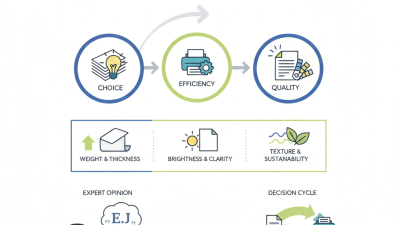
Recent reports provide useful context. The Food and Agriculture Organization’s FAOSTAT forestry database tracks global production, trade, and consumption across paper and paperboard categories. Smithers’ research on the future of global printing also highlights changing demand, sustainability pressure, and the continuing importance of efficient paper manufacturing. These sources suggest that buyers should examine more than price. Fiber sourcing, brightness stability, moisture control, packaging strength, and shipment consistency matter greatly.
This guide reviews China’s leading Office Paper manufacturers and suppliers through those practical criteria. It considers factory capabilities, certifications, product range, export experience, and customization support. A low quoted price can become expensive when cartons arrive damaged or paper jams repeatedly.
Industry sustainability specialist Phil Riebel has described sustainability as “a journey, not a destination.” That idea deserves attention here. Recycled content, responsible forestry, energy use, and end-of-life recovery should be assessed together. Certification logos alone do not prove complete performance.
No ranking is perfect. Supplier information changes, and published capacity may not reflect current output. Therefore, readers should verify samples, technical data sheets, audit records, and recent customer references before signing contracts. The following manufacturers offer a useful starting point for more careful and evidence-based sourcing decisions.

China’s Office Paper Industry: Scope, Standards, and Market Role
China Top 10 Office Paper Manufacturers and Suppliers
China’s office paper industry covers paper mills, converting plants, wholesalers, and export suppliers. Their products serve offices, schools, banks, government departments, and print rooms. Common products include copy paper, multifunction paper, colored paper, and continuous-feed office stock. Supply capacity varies widely. Some producers operate integrated pulp and paper facilities, while others convert jumbo rolls into retail reams.
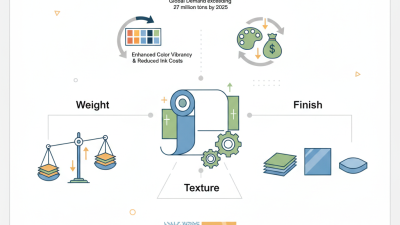
Quality assessment requires more than a bright package. Buyers should review grammage, moisture, opacity, surface smoothness, and sheet dimensions. A practical test involves printing several reams on different office machines. Check for curling, dust, double-feeding, and toner adhesion. Relevant Chinese and international standards may cover dimensions, performance, packaging, and environmental management. Certification claims should match current documents and factory records.
Market role matters too. China supplies domestic demand and serves overseas procurement networks through ports, warehouses, and custom packaging services. Reliable suppliers usually provide batch traceability, inspection reports, and stable production schedules. Yet low prices can hide inconsistent moisture control or weaker packaging. Brightness alone is not enough. I have found that machine compatibility often matters more than a product’s headline specification. Buyers should compare samples, certificates, lead times, and after-sales response before placing large orders. Some evaluations still overlook seasonal humidity, which can change paper performance during storage.
China’s Office Paper Industry: Scope, Standards, and Market Role
China’s office paper segment operates within the wider paper and paperboard industry, covering copier paper, printing paper, writing paper, and related converting products. The chart uses China’s total paper and paperboard production as an industry-scale indicator, reported in million metric tonnes. Office paper products are commonly evaluated against requirements for basis weight, size, brightness, opacity, moisture, dimensional stability, and print performance under applicable Chinese standards.
How the Top 10 Office Paper Manufacturers Are Selected
China Top 10 Office Paper Manufacturers and Suppliers
The top 10 office paper manufacturers are selected through a practical, evidence-based review. The process separates actual producers from trading companies. Factory ownership matters. It shows who controls pulp processing, coating, cutting, and final inspection.
Production capacity is checked against verifiable facility records, not attractive website claims. Reviewers examine paper weight, brightness, opacity, smoothness, moisture, and sheet dimensions. Small details matter. A poorly cut ream can jam an office printer within minutes. Samples are tested on common printers under regular office conditions. Results include feeding performance, dust levels, curl, and print clarity.
Quality systems also influence the selection. Auditable certifications, batch records, complaint procedures, and worker safety practices provide stronger evidence than promotional language. Supplier reliability is measured through lead times, packaging strength, export experience, and communication during problems. Customer feedback is compared with inspection findings, where available.
No ranking method is perfect. A sample may represent one production batch, while performance can change with raw materials or seasonal humidity. This weakness deserves attention. Transparent manufacturers should provide updated specifications and accept independent checks. Pricing is considered, but the lowest quotation does not automatically indicate value. Consistent quality, traceability, and responsive after-sales support carry greater weight for long-term office purchasing.
How to Evaluate and Source Office Paper from China
Sourcing office paper from China requires more than comparing quoted prices.
In practical purchasing, define the paper before contacting suppliers. State grammage, brightness, opacity, moisture range, sheet size, core diameter, and packing method.
A 2023 World Bank Logistics Performance Index score gives China 3.7 out of 5, but logistics still varies by port and inland location. Request the factory address, loading port, lead time, and recent shipment records.
Ask for laboratory reports covering basis weight, thickness, moisture, whiteness, and tensile strength.
Test samples on your actual copiers, especially after overnight storage in humid conditions. A smooth sheet may still cause jams.
A low quote can mislead.
Compare the full landed cost, including cartons, palletization, insurance, duties, and inspection. Use the correct HS classification, normally within the 4802 paper category, and verify it with a customs professional.
Traceability also matters.
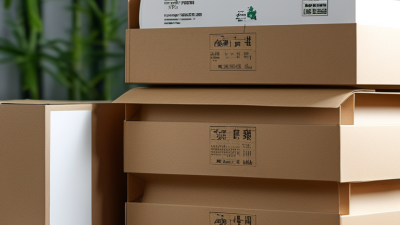
The Forest Stewardship Council’s 2023 reporting recorded more than 50,000 certificates globally, showing how widely chain-of-custody systems are used. Request valid certification details, not only a printed logo. Check whether the certificate covers the supplied product and production site. Independent pre-shipment inspection can confirm carton counts, pallet condition, and random sheet measurements. I would also keep a retained sample from every batch.
It feels excessive until quality changes quietly.
Supplier evaluation should include corrective-action records, production capacity, payment terms, and communication speed.
No checklist is perfect, but documented evidence reduces avoidable surprises.