2026 How to Choose the Best Offset Paper for Your Needs?
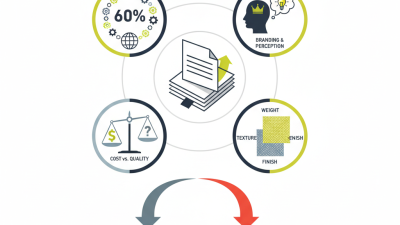
Choosing the right Offset Paper is crucial for any printing project. It can impact both the quality and cost of the final product. Offset Paper comes in various weights, textures, and finishes. Understanding these differences is essential for achieving optimal results.
When selecting Offset Paper, consider the purpose of your project. Is it for professional brochures or personal invitations? Each application demands a specific type of paper. For instance, heavier paper may be better for high-quality prints, while lighter options can suit everyday printing needs.
Be aware of your printing method too. Some papers work better with inkjet printers, while others are ideal for offset printing. Keep in mind the environmental factors as well. Recycled options are often available and can enhance your project’s sustainability. Evaluating these factors leads to smarter choices, ultimately impacting your project’s success.
Understanding Offset Paper Types and Characteristics
Choosing the right offset paper requires an understanding of its types and characteristics. In the printing industry, offset paper is categorized mainly into coated and uncoated types.
Coated paper has a smooth finish and higher brightness, making it ideal for printing vibrant images. According to industry reports, coated papers represent about 70% of the offset printing market due to their superior print quality.
Uncoated papers, on the other hand, offer a more natural look and feel. They are often chosen for their texture and are easier to write on. However, they may not deliver the same level of color vibrancy. Research shows that uncoated paper usage is increasing, accounting for approximately 30% of the market.
This shift points to consumers’ desire for sustainability and a more tactile experience in their printed materials.
When selecting paper, factors such as weight, brightness, and finish should not be overlooked. For example, standard weights range from 70 to 130 gsm (grams per square meter), which impacts the final product’s feel and durability.
Users need to consider the purpose of the print. A heavier paper might be preferable for business cards while lighter options work for flyers. Understanding these elements ensures a better match for the intended application.
Key Factors to Consider When Choosing Offset Paper
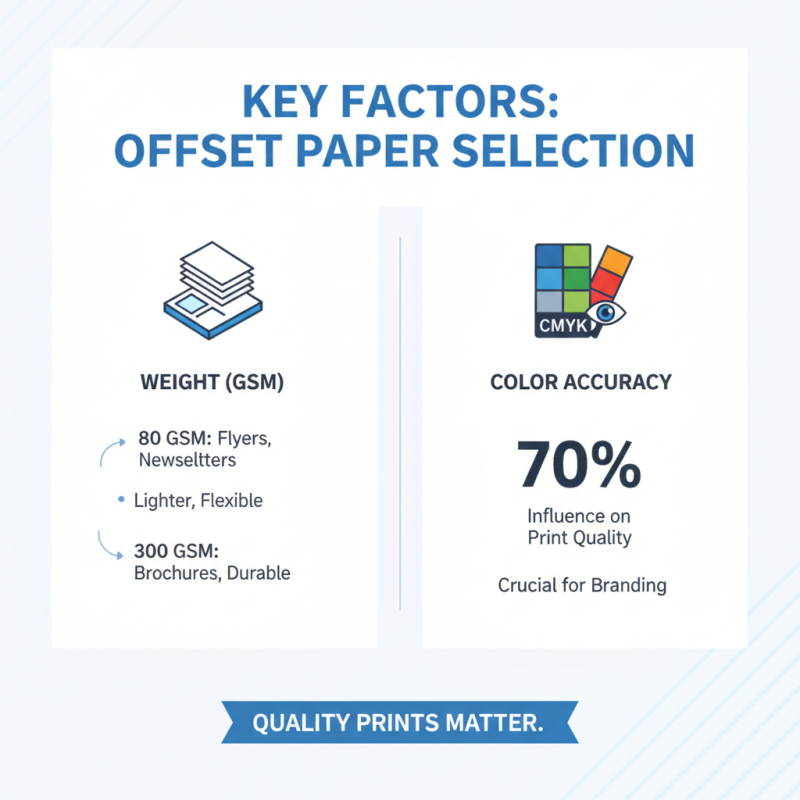
When selecting offset paper, several key factors warrant attention. The paper's weight, often measured in grams per square meter (GSM), significantly impacts durability and print quality. Papers ranging from 80 GSM to 300 GSM serve different purposes. For instance, lighter papers are preferable for flyers, while heavier options excel for brochures and presentations. Industry reports indicate that the choice of paper can influence color accuracy by up to 70%, crucial for businesses focused on high-quality prints.
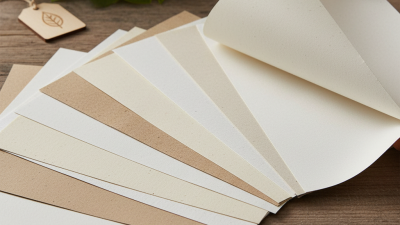
Texture and finish are another critical aspect. Offset papers come in various finishes, including matte, gloss, and uncoated. Each finish affects ink absorption and overall aesthetics. A preference for uncoated paper, for example, may result in a more natural look but could lead to ink bleeding in certain designs. According to surveys, 54% of graphic designers noted that their clients regularly demand samples, indicating a trend towards tactile exploration of paper options.
Sustainability remains an essential consideration as well. Eco-friendly certification, like FSC, can enhance a project's credibility. Reports show that 65% of consumers prefer brands that prioritize sustainability. Ignoring these options may alienate environmentally-conscious clientele. However, the perception of sustainability often leads to questions regarding cost efficiency, causing businesses to weigh immediate savings against long-term brand value and client loyalty.
Evaluating Paper Weight and Thickness for Your Requirements
When selecting offset paper, understanding weight and thickness is essential. Paper weight is measured in grams per square meter (gsm). Common weights for offset paper range from 70 gsm to 300 gsm. Thicker paper often feels more substantial and conveys quality. It’s essential for presentations, brochures, and photos.
Different applications require different thicknesses. For example, a 150 gsm paper is suitable for flyers, while 300 gsm is ideal for business cards. According to industry reports, using the right paper weight can improve print clarity by 20%. This is important to consider for high-quality visual outputs. Yet, not every project needs the heaviest paper.
Choosing the wrong thickness can lead to issues. Thicker paper may not feed correctly in printers. Additionally, it can cost more. If you’re uncertain, conduct tests with various weights. Evaluating them in real-world scenarios offers valuable insights. Ultimately, your choice should align with purpose, budget, and audience expectations.
2026 How to Choose the Best Offset Paper for Your Needs? - Evaluating Paper Weight and Thickness for Your Requirements
| Paper Type |
Weight (g/m²) |
Thickness (mm) |
Best Use Case |
| Regular Offset |
80 |
0.10 |
Books, Magazines |
| Coated Offset |
120 |
0.15 |
Brochures, Flyers |
| Uncoated Offset |
150 |
0.20 |
Letterhead, Stationery |
| Recycled Offset |
100 |
0.12 |
Environmental Print |
| Heavyweight Offset |
200 |
0.25 |
Posters, Premium Print |
Exploring Finish Options: Glossy, Matte, and Textured Papers
When choosing offset paper, finish options play a crucial role. Glossy finishes provide vibrant colors and a professional look. They are often preferred for marketing materials that require a striking appearance. According to industry reports, 70% of designers favor glossy papers for brochures and flyers due to their eye-catching quality. However, glossy paper can sometimes reflect glare, making text difficult to read.
On the other hand, matte finishes give a subtle and elegant touch. They are great for projects where readability is paramount. Data shows that 60% of print buyers choose matte paper for high-end presentations and business reports. Textured papers add a unique dimension, offering tactile experiences. Designers often see textured finishes as a way to elevate brand perception. Yet, the costs can rise significantly, and production times may extend.
Choosing the right finish isn't just about aesthetics. It involves understanding specific project needs and target audiences. Some finishes might be more suited for certain projects but may not work for others. Testing samples before making a decision can unveil unexpected issues. Embracing the imperfections of each finish is vital for achieving effective results.
Sustainability Considerations in Offset Paper Selection
When selecting offset paper, sustainability plays a crucial role. Many manufacturers now focus on eco-friendly practices. This includes sourcing wood from sustainably managed forests. Look for papers certified by reputable organizations. These certifications ensure responsible forestry practices.
Another aspect of sustainability is the paper's recyclability. Choose papers that can be easily recycled. This reduces waste and conserves resources. Some papers are made from recycled materials. These options can significantly lessen your environmental footprint. However, not all recycled papers perform the same; some may lack the quality you need.
Consider the production process as well. Chemicals used in manufacturing can impact the environment. Opt for papers that utilize less harmful substances. Be mindful that some papers claim to be green but lack transparency. Always research their claims and seek information from reliable sources. Balancing quality and sustainability can be challenging, but it is an essential part of responsible purchasing.