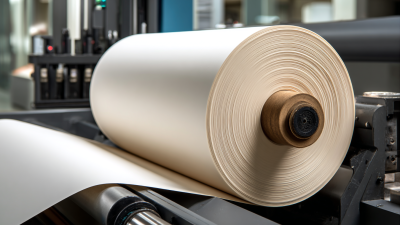
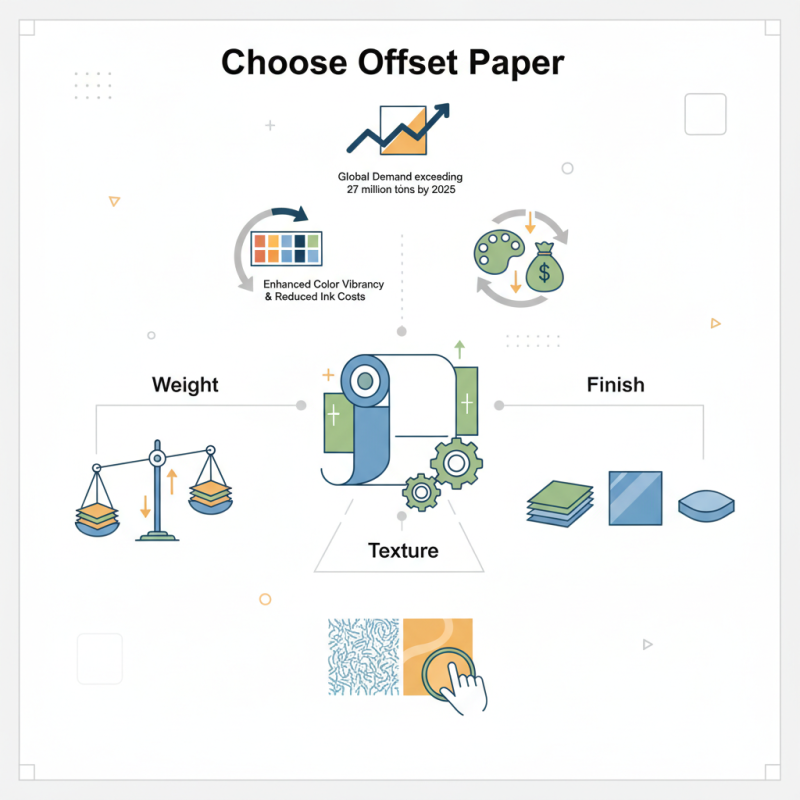
Choosing the right Offset Paper for your printing needs can significantly affect the quality of your final product. According to a report by Smithers Pira, the global demand for Offset Paper is projected to exceed 27 million tons by 2025. This growth highlights the importance of selecting suitable paper for various printing purposes.
Expert James Anderson, a leader in the Offset Paper industry, states, "The right paper choice can enhance color vibrancy and reduce ink costs." This insight underscores the impact of paper selection on both the aesthetic and economic aspects of printing.
When navigating the market, consider factors like weight, texture, and finish. Each of these elements plays a critical role in achieving desired results. Many businesses overlook these details, often leading to unsatisfactory prints. Thus, reflecting on your specific printing needs will lead to better choices in Offset Paper.
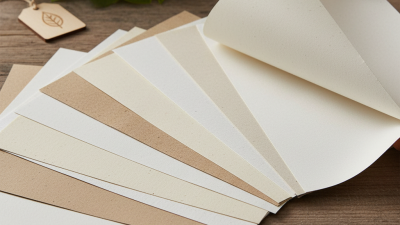
When selecting offset paper, understanding its types is essential. Offset paper comes in various finishes and weights. Coated paper is smooth and ideal for vibrant images. Uncoated paper offers a more natural feel, but colors may appear less vivid. Each type serves a specific purpose based on the project.
Another consideration is the weight of the paper. Heavier papers convey quality and durability. They are excellent for brochures and business cards. Lighter papers are often used for newsletters or letterheads. It's crucial to match the weight to the intended use.
Paper brightness is also a factor. Bright white paper enhances colors and sharpness, while cream shades offer a classic appearance. Writers and designers should explore these characteristics through samples. Testing different papers can reveal unexpected results. Each choice can significantly impact the final product.
Choosing the right offset paper involves understanding paper weight and thickness. Paper weight is measured in grams per square meter (gsm). A higher gsm indicates a heavier paper, which can impact the quality of your print. For instance, 80 gsm paper is lightweight, ideal for everyday documents. Meanwhile, 200 gsm paper is thicker and more durable, suitable for high-quality brochures or business cards.
Thickness also plays a crucial role in printing. Thicker paper tends to hold ink better. This results in sharper images and clearer text. The right thickness can enhance the tactile experience for the reader. For example, a thick card stock can convey professionalism in a business setting. However, finding the right balance is essential. Too thick can lead to issues during printing or finishing processes.
When selecting paper, consider the project’s purpose. A heavy weight might not always be necessary. For simple prints, lighter paper can suffice. Reflecting on your needs will lead to better choices. Testing samples can prevent costly mistakes. Each project's requirements may challenge your initial thoughts on weight and thickness. Embracing this process will ensure a successful printing outcome.
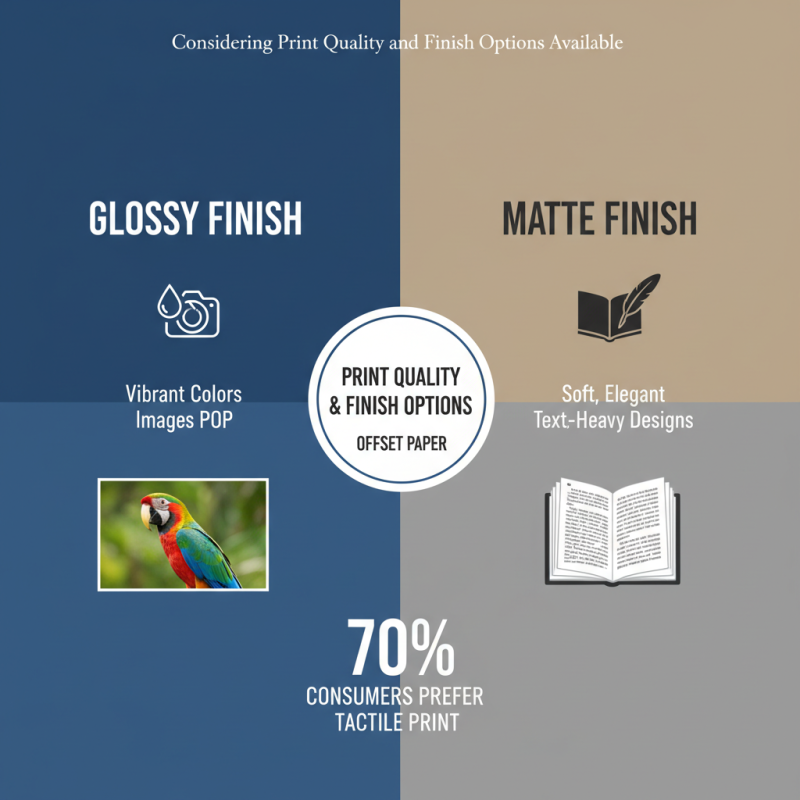
Choosing the right offset paper is crucial for achieving optimal print quality. Different finishes can significantly impact the final product's look and feel. For instance, a glossy finish can enhance color vibrancy, making images pop. In contrast, a matte finish offers a soft, elegant appearance that's great for text-heavy designs. According to the Printing Industries of America, nearly 70% of consumers prefer printed materials that feel good to the touch, underscoring the importance of finish.
When considering paper quality, weight and thickness are key factors. For most projects, a weight between 80 lb and 100 lb text paper works well. It provides durability without sacrificing appearance. Specialty finishes, like linen or canvas textures, can add a unique element that draws attention. However, not all printing techniques suit every finish. For example, certain inks may not adhere well to glossy surfaces, leading to potential issues.
**Tip:** Always request a sample of your chosen paper before committing to a large print run. This allows you to evaluate the texture and finish yourself.
Don’t forget that sustainability matters. Many printers now offer recycled paper options that still maintain high-quality standards. Yet, the availability of eco-friendly choices can vary, leading to potential compromises in print quality. Balancing eco-conscious decisions with professional standards may require careful consideration.
When considering offset paper for printing, environmental impact is crucial. According to a study by the Environmental Paper Network, paper production contributes approximately 26% of global deforestation. Choosing sustainably sourced papers can make a significant difference. Look for certifications such as FSC (Forest Stewardship Council) or PEFC (Programme for the Endorsement of Forest Certification). These labels indicate responsible forest management, which is essential in mitigating environmental harm.
Moreover, the carbon footprint of paper can vary greatly. A report from the Paper and Paperboard Packaging Environmental Council highlights that recycled paper can reduce energy consumption by up to 60%. Yet, recycling processes themselves can be energy-intensive and may not always be the best option. Not all recycling facilities are equipped to handle mixed paper types efficiently, leading to potential waste. Consider the entire lifecycle of the paper. This includes its production, use, and disposal.
Water usage in paper production also deserves attention. The World Wildlife Fund states that producing one ton of paper requires about 24,000 gallons of water. This staggering amount raises questions about sustainability. Even in choosing offset paper, reflect on the trade-offs between quality and environmental impact. Balancing print quality with eco-friendliness often presents challenges. Each choice carries implications that require careful thought. Avoid glossing over these details when making decisions.
| Paper Type | Recyclability | FSC Certification | Post-Consumer Waste (PCW) | CO2 Emission (per ton) | Price per ream |
|---|---|---|---|---|---|
| Coated Paper | Yes | Yes | 10% | 800 kg | $10 |
| Uncoated Paper | Yes | Yes | 30% | 700 kg | $8 |
| Recycled Paper | Yes | Yes | 100% | 500 kg | $12 |
| Chlorine-Free Paper | Yes | Yes | 20% | 600 kg | $11 |
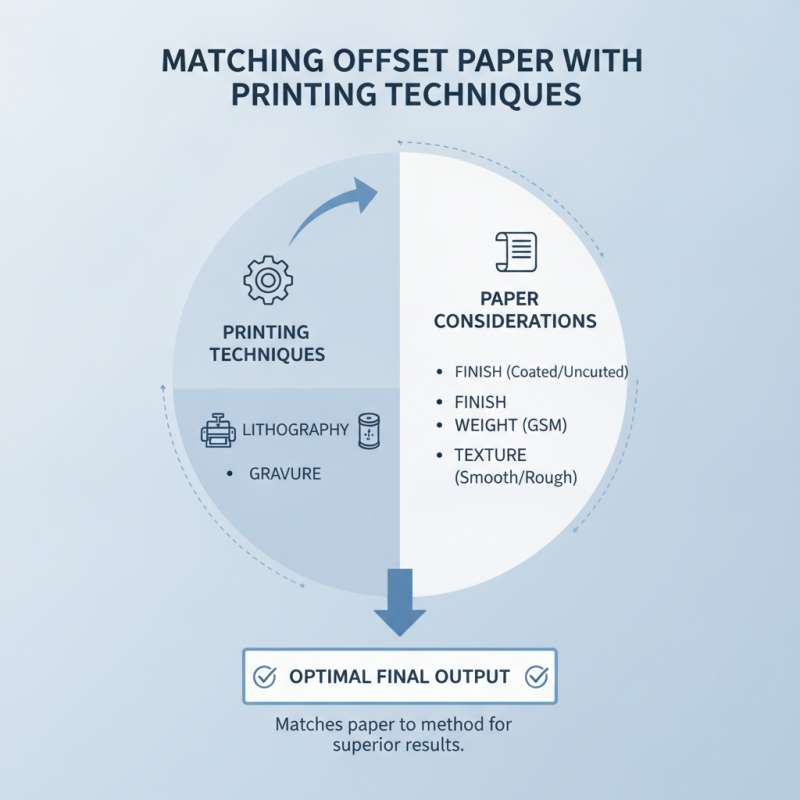
Choosing the right offset paper can be a daunting task. It’s essential to match the paper with your specific printing techniques. Different printing methods, like lithography and gravure, require distinct paper types. Consider the finish, weight, and texture. These factors significantly influence the final output.
When selecting paper for lithographic printing, opt for a smooth, coated surface. This ensures vibrant colors and sharp images. On the other hand, gravure printing often benefits from uncoated paper. It gives depth to darker shades. Pay attention to the paper's brightness too. High-brightness papers enhance color contrast.
**Tips:** Always test samples before making a bulk purchase. This helps you see how the paper interacts with your ink and machine. Don't overlook the environmental impact of your paper choice. Sustainable options are available. They can often match the quality of conventional papers while supporting eco-friendly practices.