Top Quality Office Paper Suppliers in China What to Consider?
When considering top quality office paper suppliers in China, businesses must focus on several critical factors. The demand for office paper is significant; in 2022, the global office paper market was valued at approximately $12 billion. This number is expected to grow steadily as digital printing and traditional office work continue to coexist.
Choosing the right office paper supplier involves understanding paper quality, sustainability, and cost. Additionally, market reports highlight that over 70% of companies prioritize eco-friendly practices. Suppliers that focus on sustainable sourcing tend to have a competitive edge. Their commitment to environmental responsibility builds trust and reliability among clients.
It’s also essential to address potential challenges in supplier selection. Not all suppliers maintain consistent quality, which can impact business operations. Companies should invest time in researching and assessing multiple suppliers. Gathering feedback from existing customers can uncover insights that may not be readily available. Balancing quality, price, and sustainability is crucial in the selection process for office paper suppliers in China.
Factors to Evaluate When Choosing Office Paper Suppliers in China
When selecting office paper suppliers in China, several essential factors should be evaluated. Quality is paramount. Check the paper's brightness, thickness, and texture. These attributes affect printing results and overall usability. You can request samples for firsthand assessment. This helps in making informed decisions on paper types suitable for your needs.
Next, consider the supplier's reliability. A dependable supplier adheres to delivery schedules and offers consistent quality. Research online reviews and testimonials. Look for suppliers with positive feedback over time. Communication is vital as well. A supplier who promptly answers queries can ensure a smooth collaboration.
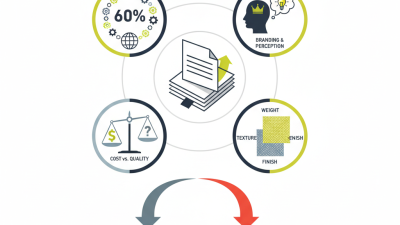
Pricing also plays a crucial role, but it should not be the sole factor. Balance cost with quality. Some suppliers may offer lower prices, but their products may fall short of expectations. This can result in wasted resources in the long run. Reflect on the overall value, not just the initial investment, to make the best choice.
Top Quality Office Paper Suppliers in China - Factors to Evaluate When Choosing Office Paper Suppliers
| Criteria |
Description |
Importance Rating (1-5) |
| Quality of Paper |
Assess the brightness, opacity, texture, and weight of the paper. |
5 |
| Supplier Reputation |
Research the supplier’s history, customer reviews, and market positioning. |
5 |
| Pricing Structure |
Evaluate the competitiveness of prices and available discounts for bulk orders. |
4 |
| Sustainability Practices |
Consider if the supplier utilizes eco-friendly materials and practices. |
4 |
| Delivery Time |
Check the average lead time for order fulfillment and shipping. |
4 |
| Customer Service |
Evaluate the responsiveness and support offered by the supplier. |
5 |
| Product Range |
Review the variety of paper types and specifications available. |
3 |
| Certifications |
Check for ISO certifications and other relevant standards. |
4 |
Types of Office Paper Available from Chinese Suppliers
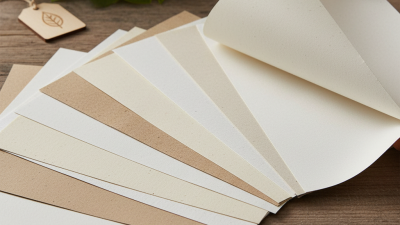
When sourcing office paper from Chinese suppliers, understanding the types available is essential. The office paper market is diverse and constantly evolving. Common types include copy paper, bond paper, and recycled paper. According to a report by Smithers Pira, the demand for recycled paper is growing, with a projected annual growth rate of 4% in the coming years. This trend highlights the importance of sustainability in paper production.
Another relevant type is premium paper, often used for reports and presentations. Many businesses emphasize quality, as it represents their brand image. Recent surveys indicate that approximately 85% of companies consider paper quality vital in decision-making processes. These insights reveal that businesses should be selective and informed about their choices.
Tip: When evaluating suppliers, consider their certification standards. Look for ISO certifications or eco-labels, as they often reflect quality and environmental responsibility.
Furthermore, it's worth noting that not all suppliers communicate transparently. Discrepancies in product specifications can occur, leading to dissatisfaction. Always request samples before finalizing orders. Consistent quality should be a priority. It's a crucial aspect that can affect your workflow and overall satisfaction.
Quality Standards and Certifications for Office Paper Products
When sourcing office paper products in China, quality standards and certifications are crucial. Various industry reports indicate that consistency in quality is a significant concern. A 2023 survey by Market Research Future found that over 70% of enterprises prioritize certifications during their procurement process. Understanding these standards can directly impact the usability and longevity of office supplies.
Certifications like ISO 14001 for environmental management and ISO 9706 for permanence standards are essential. They ensure that paper products meet specific sustainability and quality benchmarks. Additionally, the Forest Stewardship Council (FSC) certification highlights responsible forestry practices. However, navigating these certifications can be challenging. Not all suppliers offer certified products, and some might misrepresent their compliance.
Moreover, testing routines for quality control are not standardized across the industry. Reports show that nearly 30% of office paper does not meet the claimed specifications before production. This inconsistency calls for diligence from buyers. Verifying certifications through independent audits or third-party testing organizations can mitigate risks. Understanding these complexities is vital for making informed purchasing decisions in a competitive market.
Pricing Strategies and Market Trends in Chinese Office Paper Supply
Understanding pricing strategies in the Chinese office paper supply market is crucial for businesses. Many suppliers offer competitive prices, but costs can vary significantly. Factors affecting pricing include quality, production method, and raw material source. For example, eco-friendly paper products may have higher prices due to sustainable sourcing efforts.
Market trends also reveal shifts in consumer preferences. Demand for recycled paper is increasing as businesses aim for sustainability. This trend impacts pricing, with higher production costs translating into higher retail prices. Suppliers need to adapt to these changes or risk losing market share.
Potential buyers should conduct thorough research and consider value, not just price. Finding a balance between quality and cost is essential. Suppliers who invest in innovation and efficiency are likely to offer more reliable products. Businesses may find cheaper options, but the long-term implications of quality should not be overlooked.
Logistical Considerations for Importing Office Paper from China
When importing office paper from China, logistical considerations play a critical role. Shipping options include air freight and sea freight. Air freight is faster but more expensive. Sea freight is economical, but the transit time is longer. Evaluating your timeline and budget is essential.
Customs clearance is another challenge. Ensure all paperwork is accurate and complete. Missing documents can delay your shipment and lead to additional costs. Consider working with a reliable shipping agent to navigate these complexities.
It's also vital to assess storage facilities. Ensure they meet standards for paper safety, including humidity control. Poor storage can damage your paper stock. Collaborate with your supplier to understand the complete supply chain and avoid potential pitfalls. Each detail matters in securing quality and reliability for your business needs.
Top Quality Office Paper Suppliers in China - Importing Considerations