Leave Your Message

What Is the Best China Magazine Paper for Global Buyers?

Choosing the best China Magazine Paper requires more than comparing price per ton. Global buyers must examine print quality, fiber composition, surface finish, and supply reliability together. A glossy fashion magazine needs a different sheet from a matte art journal or a lightweight catalog.

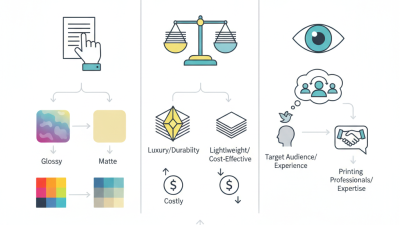
The right grade should support sharp images, balanced color, and smooth page turning. Typical decisions include coated or uncoated paper, woodfree or mechanical pulp, and a suitable basis weight. Glossy paper can make photographs look vivid. Matte paper often offers easier reading under office lighting. The choice depends on the publication, printing process, and reader experience.

Technical details matter. Buyers should request samples with actual ink coverage, not only blank sheets. Check whiteness, opacity, caliper, moisture, and dimensional stability. A beautiful sample may hide problems during long press runs. It happens.

Reliable Chinese mills can provide specification sheets, laboratory data, production references, and certification records. FSC or PEFC claims should be verified through valid certificates and responsible supply-chain documentation. Buyers should also review packaging strength, pallet design, container loading, lead times, and communication practices.

Price alone is a weak guide. A cheaper grade may create show-through, curl, dust, or color variation. Those defects can increase waste and delay distribution. In my view, the best purchasing decision combines tested performance, verified compliance, and consistent delivery.

No grade is perfect. Even experienced buyers can overvalue brightness or underestimate shipping conditions. This guide compares practical options for global buyers, helping them select Magazine Paper with clearer expectations and fewer costly surprises.

What Is the Best China Magazine Paper for Global Buyers?

What Magazine Paper Means in China’s Publishing Industry

What Is the Best China Magazine Paper for Global Buyers?

What Magazine Paper Means in China’s Publishing Industry

Magazine paper in China is not one fixed product. It reflects print quality, reading habits, press technology, and distribution costs. The China Paper Association reported 129.65 million tonnes of paper and paperboard production in 2023. Its data also showed domestic consumption exceeding 131 million tonnes. This scale supports varied paper grades, but it does not make every mill suitable for magazine printing.

Common magazine specifications include coated paper from 70 to 128 gsm. Glossy surfaces improve image contrast, while matte finishes reduce reflection under office lighting. Buyers should check opacity, brightness, smoothness, moisture, and caliper. These details affect ink drying and page turning. A heavier sheet may feel premium, but it can increase postage and binding pressure.

Practical sourcing audits often reveal small problems. Paper rolls may meet the listed grammage yet vary slightly across the reel. That variation can disturb color consistency during long runs. Buyers should request recent test reports, production samples, and storage instructions. ISO 2470 brightness testing and ISO 536 grammage testing offer useful reference points. China’s publishing industry is also moving toward more efficient, lower-waste production, according to national publishing development reports. Still, recycled content, whiteness, and print performance can conflict. That trade-off deserves a real press trial, not only a laboratory promise.


Key Paper Grades and Their Performance Characteristics

For global buyers, “best” China magazine paper is not a single grade. The right choice depends on images, page count, binding, and press conditions. In purchasing trials, paper must be checked beyond its sample appearance. Ask for basis weight, caliper, opacity, brightness, surface finish, and moisture consistency. A beautiful sheet can still create curl or feeding problems.

Coated woodfree paper gives sharp photographs, smooth solids, and strong ink holdout. Gloss coating produces vivid contrast, but fingerprints and glare may affect reading. Matte coating feels softer and reduces reflection. It may need careful drying control. Uncoated woodfree paper offers a natural touch and easier handwriting. Its porous surface absorbs more ink, so images may look less crisp. Higher bulk can make a thin magazine feel substantial.

Lightweight coated grades reduce shipping weight while keeping useful print definition. Their lower caliper may increase show-through, especially with dark pages. Supercalendered paper supplies a smooth, economical surface for text-heavy magazines. It often has less opacity and a more delicate feel. Recycled-content grades support environmental goals, but shade and formation can vary between lots. Samples can mislead. Request production samples and test folding, rub resistance, color density, and page curl. I would not approve a grade from one successful sheet alone; humidity, press speed, and ink settings can alter the result.

What Is the Best China Magazine Paper for Global Buyers? - Key Paper Grades and Their Performance Characteristics

Paper Grade Typical Basis Weight Surface Finish Typical Brightness Opacity Performance Print Quality Folding and Binding Behavior Typical Magazine Applications Key Buying Considerations
Gloss Coated Woodfree Paper 80–170 g/m² High-gloss, smooth coated surface ISO 88–96% Very good at comparable basis weights because the coating improves light scattering Excellent image sharpness, strong color density, and high visual contrast Good folding performance; heavier grades may require scoring before folding Fashion, photography, luxury, lifestyle, advertising, and product-feature magazines Check gloss level, ink drying behavior, curl control, surface strength, and suitability for the selected printing process
Matte Coated Woodfree Paper 80–170 g/m² Low-gloss, silk, or matte coated surface ISO 86–95% Very good, with less show-through than many uncoated papers at the same weight High-quality reproduction with reduced glare and comfortable reading under strong light Good folding and creasing; generally suitable for sewn, perfect, and saddle-stitch binding Editorial magazines, art publications, business magazines, and premium catalogs Compare ink set-off, rub resistance, surface smoothness, and readability under indoor lighting
Silk Coated Paper 70–150 g/m² Satin or semi-matte surface ISO 87–95% Good to very good, depending on basis weight and coating formulation Balanced image detail, color performance, readability, and moderate surface reflection Good folding behavior and generally reliable for high-speed magazine production General-interest magazines, trade publications, travel titles, and illustrated editorial content A practical compromise between glossy visual impact and matte reading comfort; verify bulk and stiffness for the page count
Lightweight Coated Paper 45–80 g/m² Gloss, silk, or matte coated surface ISO 82–94% Good for its weight, but more sensitive to show-through than medium-weight coated stock Good image reproduction with lower material consumption and reduced mailing weight Flexible and easy to fold; requires careful control of web tension, curl, and binding strength High-page-count magazines, inserts, supplements, and publications where postal weight matters Evaluate opacity, caliper, tensile strength, print-through, web runnability, and mailing regulations
Woodfree Uncoated Paper 70–160 g/m² Natural, porous, non-coated surface ISO 80–95% Moderate; higher basis weights or opacity-enhancing furnish may be needed for dense pages Sharp text and line work; images have a softer, less saturated appearance than on coated grades Excellent folding, creasing, writing, and binding performance Literary, educational, community, professional, and text-focused magazines Check ink absorption, surface linting, smoothness, bulk, opacity, and the desired paper texture
Recycled Coated Paper 70–170 g/m² Gloss, silk, or matte coated surface made with recycled fiber content ISO 78–92% Moderate to very good, depending on recycled content, furnish quality, and basis weight Good reproduction; brightness and shade may be less uniform than premium virgin-fiber grades Generally good, although stiffness, fold cracking, dust, and surface strength should be tested Environmentally oriented magazines, consumer publications, catalogs, and corporate communications Request recycled-fiber percentage, de-inking quality, shade consistency, certification documentation, and print-test results
Recycled Uncoated Paper 70–140 g/m² Natural or lightly calendered surface ISO 70–90% Moderate to limited, depending strongly on basis weight and recycled fiber composition Suitable for text and moderate image coverage; produces a softer, more tactile visual effect Good folding and binding behavior; dust and surface strength should be monitored during printing Sustainability-focused editorial magazines, local publications, newsletters, and cultural titles Compare opacity, shade, formation, linting, surface strength, recycled content, and available environmental documentation
Cover Board or Heavy Cover Paper 180–350 g/m² Coated, uncoated, or textured surface ISO 80–96% Very good because of the higher caliper and basis weight Strong cover color and image impact; suitable for varnish, aqueous coating, or other finishing when compatible Requires scoring or creasing for clean folds at higher weights; supports durable binding and handling Magazine covers, special editions, gatefold covers, promotional inserts, and premium supplements Check caliper, stiffness, fold-crack resistance, grain direction, surface compatibility, and finishing requirements

Note: The performance ranges are typical industry reference values rather than universal specifications. Actual results vary with fiber furnish, coating formulation, calendering, moisture, machine direction, basis weight, printing process, and finishing conditions. Global buyers should confirm the technical data sheet and approve a printed test sheet before purchase.

How to Compare China Magazine Paper Suppliers

For global buyers, comparing China magazine paper suppliers requires more than checking price per tonne. Start with measurable specifications: grammage, caliper, brightness, opacity, smoothness, and moisture. Use ISO 536 for grammage, ISO 534 for thickness, and ISO 2470 for brightness. These tests reduce vague claims such as “premium quality.” FAO’s Forestry Production and Trade database recorded global paper and paperboard production at roughly 423 million tonnes in 2023. That scale shows why consistency matters across large orders.

Compare suppliers through recent test reports, factory audit records, sample reels, and shipment histories. Ask whether the quoted price includes packaging, inland transport, export documents, and insurance. Check minimum order quantities and realistic lead times. A low price may hide higher wastage. Request samples from different production dates. One sample proves very little. Also examine complaint procedures, replacement policies, and communication speed. A supplier that answers technical questions clearly is easier to manage when paper curls or ink coverage changes.

Tips: Build a comparison sheet with identical specifications. Record brightness, opacity, reel width, tolerance, and delivery performance. Ask for third-party laboratory results, not only internal data. Verify sustainability claims against recognized certification documents. My own buying checks sometimes overvalue laboratory numbers. Printing trials still matter. A paper can pass brightness tests yet feel weak during high-speed folding. Leave room for that uncomfortable possibility.

Which Paper Type Fits Different Magazine Applications

Choosing China magazine paper starts with the application, not the lowest quotation. China Paper Association data reports 129.65 million tonnes of paper and paperboard production in 2023. That scale supports varied grades, but quality still differs between mills and shipments.

For fashion, lifestyle, and image-heavy magazines, coated gloss or silk paper usually delivers sharper photographs and stronger color contrast. A 105–157 gsm grade feels substantial without making mailing costs excessive. Silk coating is often safer for long articles because it reduces glare. For literary magazines, cultural journals, and premium editorial pages, uncoated woodfree paper offers a warmer touch and easier reading under indoor light. Its surface may absorb more ink, so request printed proofs before approval.

Lightweight coated paper suits high-volume issues, catalogues, and frequent distribution. Grades around 70–90 gsm can reduce shipping weight, though thin sheets may show text through the reverse side. That weakness is easy to underestimate. The Smithers report The Future of Global Printing to 2028 identifies continuing pressure on commercial print volumes, making efficient basis weight and waste control increasingly important. Recycled-content paper can support sustainability claims, but shade variation and ink appearance require testing. ISO 12647-2 color targets and measured opacity provide better control than visual judgment alone. Ask for brightness, opacity, roughness, moisture, and caliper data. A supplier’s sample may look excellent, yet perform poorly on a high-speed press.

What Is the Best China Magazine Paper for Global Buyers?

Different magazine applications require different balances of print quality, opacity, weight, and surface finish. The chart shows representative commercial basis-weight ranges commonly available from Chinese paper suppliers; actual specifications vary by mill and grade.

How to choose: Newsprint is suitable for high-volume newspapers and short-life publications. Lightweight coated paper fits economical fashion, lifestyle, and catalog magazines. Medium-weight coated paper offers stronger color reproduction and durability for premium editorial content. Uncoated woodfree paper is a practical choice when a natural texture and easy writing surface are important. Recycled coated paper can support sustainability-focused publications while maintaining a smooth printable surface.

Quality, Compliance, Pricing, and Shipping Considerations

What Is the Best China Magazine Paper for Global Buyers?

Quality, Compliance, Pricing, and Shipping Considerations

Choosing magazine paper from China requires more than comparing brightness and price. Buyers should confirm basis weight, opacity, smoothness, caliper, and reel stability. A glossy cover may look attractive, but weak stiffness can damage the reading experience. ISO 12647-2 provides useful process-control guidance for consistent color reproduction. ISO 9706 can support longer-life publication requirements. Small details matter.

Compliance documents should cover fiber origin, chemical limits, recycled content, and production traceability. Chain-of-custody certification may also support responsible sourcing claims. CEPI’s 2023 preliminary statistics reported a 2.5% decline in European paper and board production. This signals continued pressure on supply planning and regional pricing. However, one regional report cannot predict every Chinese mill’s costs. That limitation deserves attention.

Pricing should be evaluated as landed cost, not only the mill quotation. Ask whether the offer includes packaging, inland delivery, export handling, insurance, and ocean freight. Compare equal specifications and order quantities. Fastmarkets and Smithers market reports can help buyers track pulp, paper, and printing trends, although subscription data may not match every grade.

Freight changes everything. UNCTAD’s Review of Maritime Transport 2023 states that over 80% of global merchandise trade by volume moves by sea. Moisture-barrier wrapping, corner protection, container ventilation, and loading photographs reduce avoidable claims. A trial shipment remains wise. Paper can pass laboratory tests and still disappoint on press.