Top 10 Office Paper Products to Source from China?
When it comes to sourcing office supplies, the demand for high-quality office paper remains a priority. The variety of options available can be overwhelming. China stands out as a significant supplier in this market, offering competitive prices and diverse product ranges. Many businesses rely on Chinese manufacturers for their office paper needs.
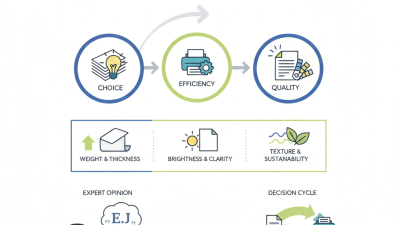
Choosing the right products is essential. Various factors affect the quality and usability of office paper. The characteristics of paper, such as weight, brightness, and texture, can make a difference in day-to-day operations. It’s crucial to understand these features when selecting products for your office.
Not all paper products are created equal. Some may fail to meet expectations or industry standards. It’s vital to research suppliers thoroughly. Look for those who offer certifications and maintain a reliable reputation. This diligence helps ensure your office maintains high standards while managing costs effectively.

Top Trends in Office Paper Products Sourced from China
When sourcing office paper products from China, it's essential to notice current trends. Many businesses now seek eco-friendly options. Recycled paper and biodegradable materials are gaining popularity. This shift reflects a growing commitment to sustainability. Companies are prioritizing these products over traditional options. This change is not just beneficial for the environment but also appeals to consumers.
Another trend is customization. Many suppliers offer personalized paper products. This includes unique sizes, colors, and branding options. Such tailored products can enhance brand identity. Businesses often find that customized items stand out. However, working with manufacturers for customization can be challenging. Quality control becomes crucial, and communication is key. Misunderstandings can lead to disappointing results.
Lastly, technology integration is important. Smart paper products, such as those designed for digital compatibility, are on the rise. These innovations can streamline workflows. Yet, it is vital to ensure that these products meet all specifications and standards. Not all suppliers are equipped to provide high-quality tech integration. Careful selection is necessary to avoid potential pitfalls.
Market Analysis: Key Industries Driving Demand for Office Paper Products
The demand for office paper products in various industries is on the rise, driven by key factors. The global office supplies market is projected to reach $300 billion by 2025, with a significant portion attributed to paper products. Industries such as education, finance, and healthcare heavily rely on paper for documentation and communication. For instance, the educational sector requires substantial quantities of notepads, worksheets, and exam papers to facilitate learning.
Statistics show that the educational sector constitutes about 35% of the total demand for office paper products. As digital solutions expand, the need for high-quality paper remains. Surprisingly, even tech companies still rely on printed materials for presentations and reports. The financial services sector follows closely, accounting for another 25% of the market. Reports indicate that despite the digital shift, traditional paperwork remains essential for compliance and record-keeping.
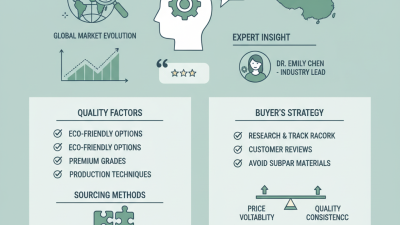
While the demand is significant, challenges such as sustainability and sourcing efficiency emerge. The need for eco-friendly options is on the rise, as companies become more environmentally conscious. Reports indicate that 70% of businesses are seeking sustainable paper alternatives. There is a consistent tension between cost and quality. Sourcing from China offers advantages, but it is vital to ensure that materials meet quality standards and ethical practices. Balancing these issues requires careful consideration.
Sustainability in Office Supplies: Eco-friendly Options from Chinese Manufacturers
The demand for sustainable office supplies is rising. According to a recent report by Smithers Pira, the global market for eco-friendly office products is expected to reach $1.5 billion by 2025. Businesses are increasingly prioritizing sustainability. They seek products that reduce environmental impact. Sourcing from China provides various eco-friendly options that can meet this demand.
Chinese manufacturers offer alternatives like recycled paper and biodegradable notebooks. These products are made using sustainable practices. For instance, recycled paper can save up to 60% of energy compared to traditional paper. Biodegradable options are designed to break down naturally, minimizing waste. However, sourcing eco-friendly products still poses challenges. Some green certifications can be ambiguous, leaving buyers unsure about their authenticity.
Moreover, the price points for sustainable options may deter some companies. Yet, investing in eco-friendly supplies often leads to long-term savings. Data shows that organizations committed to sustainability can improve operational efficiency. Companies should carefully evaluate their suppliers. Transparency is key to ensuring the authenticity of eco-friendly claims. As the market evolves, businesses must continuously adapt to achieve their sustainability goals.
Cost Efficiency: Comparing Prices of Paper Products from China vs. Other Markets
When evaluating the cost efficiency of office paper products, China emerges as a compelling option. Prices for paper products, including printer paper and notebooks, are typically lower than in many Western markets. This price advantage stems from lower labor costs and economies of scale in manufacturing. However, it’s crucial to consider additional factors such as shipping costs and potential tariffs. These can impact overall savings.
Tips: Always request samples before finalizing orders. This helps ensure product quality meets your expectations. Keep an open line of communication with suppliers. Discuss any concerns about quality or delivery times.
Despite the price benefits, sourcing from China isn't without challenges. Language barriers may hinder effective negotiation. Quality control can also be unpredictable, making it essential to have reliable partners. Some businesses have faced difficulties with delays in shipments or quality inconsistencies. Reflection on past sourcing experiences can provide valuable insights. Understanding these challenges prepares you for more informed decision-making in future ventures.
Tips: Research suppliers thoroughly. Check reviews and ratings from previous customers. Consider using third-party inspection services to verify product quality before bulk orders.
Top 10 Office Paper Products to Source from China - Cost Efficiency Comparison
| Product Type |
Price per Unit (China) |
Price per Unit (Other Markets) |
Price Difference (%) |
| A4 Copy Paper (500 Sheets) |
$3.50 |
$5.00 |
30% |
| Envelopes (100 units) |
$2.00 |
$3.50 |
43% |
| Printer Paper (500 Sheets) |
$4.00 |
$6.00 |
33% |
| Sticky Notes (12 pads) |
$1.50 |
$2.50 |
40% |
| Notebook (200 pages) |
$2.50 |
$3.75 |
33% |
| Folders (50 units) |
$3.00 |
$4.50 |
33% |
| Tissue Paper (30 rolls) |
$5.00 |
$8.00 |
38% |
| Whiteboards (1 unit) |
$20.00 |
$30.00 |
33% |
| Paper Clips (1000 units) |
$1.00 |
$1.50 |
33% |
| Scotch Tape (6 rolls) |
$2.00 |
$3.00 |
33% |
Quality Standards: Certifications and Regulations for Office Paper Products in China
When sourcing office paper products from China, understanding quality standards is vital. Various certifications indicate if products meet specific requirements. The most recognized standard is ISO 9001, which ensures quality management systems are in place. Compliance with this standard enhances reliability. Additionally, certifications like FSC and PEFC indicate sustainable sourcing. These certifications reflect environmental responsibility in production processes.
Regulations in China govern office paper products. The National Standard GB/T 4086 establishes requirements for paper quality. It covers aspects like brightness, thickness, and whiteness. Ensuring that products comply with these standards can be challenging. Not every manufacturer prioritizes these certifications. Due diligence is crucial to find reputable suppliers.
Moreover, factors like product packaging also matter. Packaging should provide sufficient protection and maintain product integrity. Beware of suppliers who neglect this aspect. A well-packaged product reduces damage during transit. It's essential to communicate expectations clearly. This mitigates any potential misunderstandings between buyers and manufacturers.