How to Choose the Right Receipt Paper for Your Business Needs?
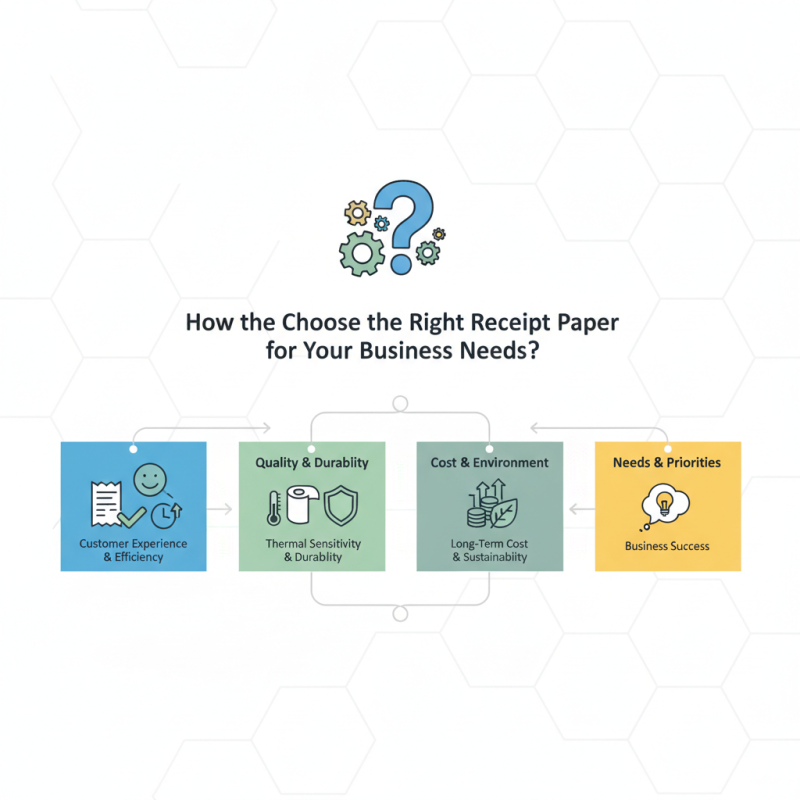
Choosing the right receipt paper for your business can significantly impact your operations. Receipt paper quality affects customer experiences and business efficiency. Businesses often overlook this crucial decision, leading to unexpected issues.
When selecting receipt paper, consider factors like thermal sensitivity and durability. High-quality receipt paper enhances printing clarity and resists fading. A good choice can improve customer satisfaction and reduce complaints about unreadable receipts. Yet, many businesses settle for cheaper options, sacrificing these benefits.
Moreover, the right receipt paper can affect your costs in the long run. Choosing durable, high-quality paper reduces the frequency of replacements. Consider environmental impacts, too. Sustainable options can benefit your brand image. Reflect on your needs and priorities carefully. Making the right decision is essential for your business’s success.
Understanding Different Types of Receipt Paper Available in the Market
Choosing the right receipt paper is crucial for businesses. Understanding the types available can help organizations make informed decisions. Thermal paper is popular for its quick printing and low cost. However, it's essential to consider its lifespan and durability. Reports indicate that thermal receipts typically last three to five years before fading.
Bond paper offers more stability. It is often used in environments that require longer-lasting documents. This paper type is less prone to fading, making it a good choice for records and audit trails. Research shows that businesses using bond paper for important transactions report increased customer trust.
Recycled paper is gaining popularity for its environmental benefits. Many businesses are looking to reduce their carbon footprint. Although recycled paper can have a rougher texture, it is a sustainable option. Some users have reported issues with print quality, but advancements are improving this aspect. Making the right choice depends on balancing quality, cost, and sustainability.
Assessing the Specific Needs of Your Business for Receipt Paper
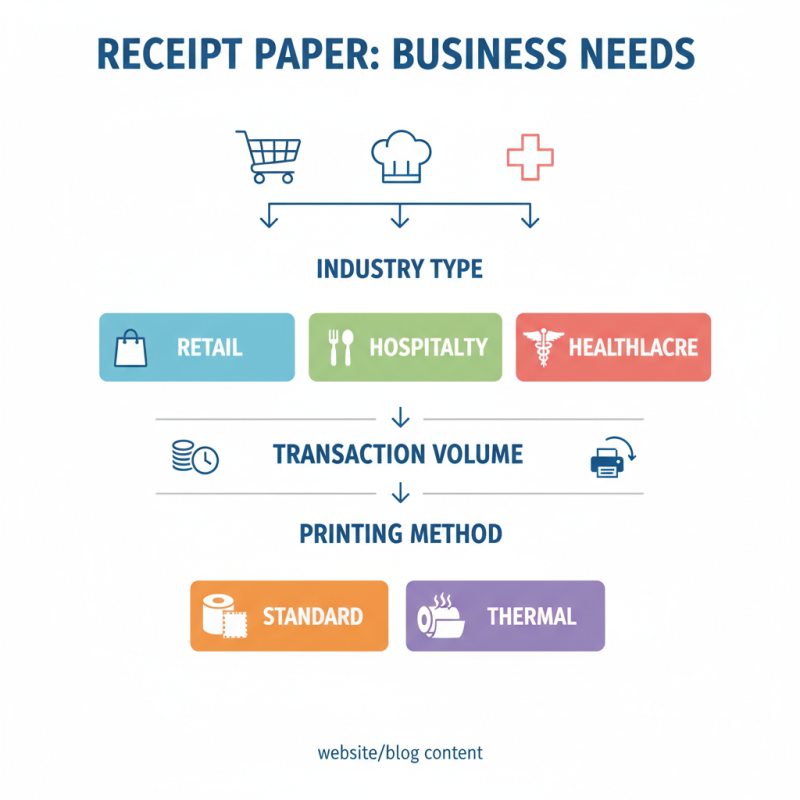
Choosing the right receipt paper starts with understanding your business's unique needs. Different industries have varying requirements. Retail, hospitality, and healthcare may use distinct types of receipt paper. Consider your daily transactions and volume. Will the paper be used for standard receipts, or do you need something for thermal printing?
When assessing your requirements, think about durability and type of use. Are these receipts for customers to keep? You might prefer thicker paper for longevity. Or, if you're focused on speed and cost, lightweight thermal paper may be ideal.
**Tips**: Test various options before fully committing. Purchase small quantities first. Observe how each type fits into your workflow. Don't forget to consider the environmental impact too. Sustainable options might slightly increase costs but will appeal to eco-conscious consumers.
Evaluating the Print Quality and Durability of Receipt Paper
Choosing the right receipt paper involves a careful evaluation of print quality and durability. The print quality is crucial for businesses that rely on customer interaction. A clear and smudge-free print enhances professionalism. According to industry research, 70% of consumers are influenced by the quality of receipts in their purchasing decisions. High-quality thermal paper, for instance, can produce sharp images that resist fading, ensuring legibility over time.
Durability is equally important. Receipt papers come in various thicknesses and finishes. A study from a leading paper manufacturing association indicates that thicker papers tend to withstand wear and tear better. Additionally, moisture-resistant papers can survive in environments with high humidity. Many businesses report needing to replace cheaper, less durable receipt paper frequently, leading to increased operational costs. Investing in quality paper might seem like a higher upfront cost, but it can prevent early replacement and enhance customer experience.
Choosing the right paper is not a straightforward task. Different industries have varying requirements. Retail businesses might need quick-drying papers for fast service, while restaurants may prefer tear-resistant options. Each choice has its trade-offs, and sometimes a paper that seems ideal can fail under specific conditions. It's essential to test samples in real-world scenarios before making a bulk purchase, as assumptions do not always align with practical outcomes.
How to Choose the Right Receipt Paper for Your Business Needs? - Evaluating the Print Quality and Durability of Receipt Paper
| Paper Type |
Print Quality |
Durability |
Environmental Impact |
Cost (per roll) |
| Thermal Paper |
High quality, sharp text |
Sensitive to heat, lasts up to 5 years |
Recyclable, some brands offer BPA-free |
$15 |
| Bond Paper |
Good quality, suitable for text and images |
Moderate durability, fades over time |
Recyclable, made from wood pulp |
$10 |
| Carbonless Paper |
High-quality, multi-part forms |
Good durability, less prone to tearing |
Recyclable, but uses chemical coats |
$20 |
| Synthetic Paper |
Excellent print quality, waterproof |
Highly durable, lasts over 10 years |
More environmentally friendly options available |
$25 |
Considering Cost Effectiveness and Bulk Purchase Options
Choosing the right receipt paper is crucial for businesses. Cost-effectiveness is a primary concern. According to industry reports, paper purchases can represent a significant part of office supplies. Many companies miss out on savings by not considering bulk purchase options. Buying in larger quantities can reduce the per-unit cost substantially.
For instance, a business spending $500 monthly on paper can save up to 20% by purchasing in bulk. This could mean a yearly saving of $1,200, a valuable amount for any small business. However, it's essential to evaluate storage capacity and turnover rates. Overbuying can lead to waste if paper is not used efficiently.
Additionally, the quality of the paper matters. Some cheaper options may lead to issues like smudging or poor print quality. Quality degradation could affect customer perception of your brand. Balancing cost with quality is vital. Not every bulk purchase is a good deal. Understanding your specific needs helps avoid regrets later on.
Analyzing Environmental Impact and Recycling Options for Receipt Paper
When selecting receipt paper, environmental impact is crucial. Many businesses overlook how their choices affect the planet. Traditional receipt paper often contains harmful chemicals, like BPA. This can contribute to pollution and waste. Alternative, eco-friendly options are now available. They ensure sustainability without compromising quality.
It’s essential to consider recycling options for receipt paper. Many communities have limited recycling programs for thermal paper. This creates challenges for proper disposal. Look for paper that’s easy to recycle and free from toxic coatings. Understanding local recycling guidelines can help minimize waste effectively.
Tips: Consider switching to recycled paper. This choice lessens environmental impact. Review your printing needs. Ensure you buy only what is necessary. Engage with suppliers who prioritize sustainability and ethical practices. Small changes can lead to significant benefits over time. Exploring eco-friendly options might not provide instant satisfaction. But it’s a step toward a healthier planet.