What is Magazine Paper and How to Choose the Best Type?
When exploring the world of publishing, the choice of paper is pivotal. Magazine paper is essential for both aesthetics and functionality. It impacts the visual appeal of images and the readability of text. Understanding its types can enhance your publication's quality.
Different types of magazine paper serve various purposes. Coated paper, known for its smooth finish, is perfect for vibrant colors. Uncoated paper, on the other hand, offers a more natural feel, suited for text-heavy layouts. However, the decision isn’t straightforward. One must consider factors like weight, brightness, and finish.
Selecting the right magazine paper requires careful thought. It's not just about choosing a type; it's about aligning it with your goals. Reflecting on this selection process can reveal priorities and preferences. Some choices may even feel daunting. Ultimately, the right paper can elevate your publication, making it memorable and engaging.

What is Magazine Paper? Definition and Characteristics Explained
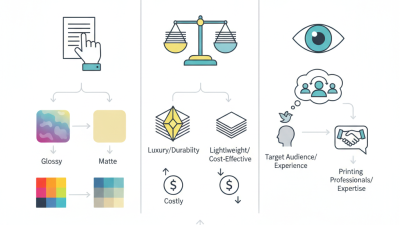
Magazine paper is a specialized type of paper designed for high-quality printing. It typically has a smooth finish and a specific weight that allows for vibrant colors and sharp images. The characteristics of magazine paper include its glossy or matte surface, weight, and texture. These features contribute to how well the printed content stands out.
When selecting the best magazine paper, consider your project needs. Different weights, usually ranging from 70 to 130 gsm, affect the paper's feel and durability. A heavier paper often feels more premium, while a lighter weight may be more economical. Glossy finishes enhance color vibrancy, while matte options provide a more subdued look. Additionally, factor in the environmental impact of paper choices.
Understanding the nuances of magazine paper can be challenging. You might find that your first choice does not yield the desired results. Trying various options leads to better choices in the future. Experience can guide you, but always be open to learning and adjusting. Each project teaches you something new about paper selection.
Understanding Magazine Paper Types
This chart represents the popularity of different types of magazine paper based on their percentage of usage in the industry. Glossy paper leads with 40%, followed by matte and satin options, showcasing varying preferences among publishers.
Types of Magazine Paper: Coated vs. Uncoated and Their Uses
When selecting magazine paper, understanding the types—coated and uncoated—is essential. Coated paper has a smooth surface. It enhances color vibrancy and detail. This type is great for high-quality images. It also resists bleed, making it ideal for publications with rich graphics. However, it tends to be harder to write on.
Uncoated paper, on the other hand, provides a more natural texture. It absorbs ink well and offers a softer appearance. This option allows for easy writing and is often used for magazines focusing on text-heavy content.
Tips for choosing the right paper: Consider your audience. If your magazine relies on visuals, coated paper might serve your purpose better. For storytelling or literary magazines, uncoated paper can provide a more intimate feel. Think about the purpose of your publication as well. If durability is essential, coated paper generally holds up better in various environments. But if you seek a more tactile experience, uncoated paper could be the right fit.
Reflecting on your choices is crucial. Each type of paper has its pros and cons. Coated paper may offer stunning visuals but could feel less personal. Uncoated paper feels approachable but may lack the sharpness of coated paper. Balancing these factors will lead you to the best decision for your magazine.
Understanding Basis Weight: The Impact on Paper Quality and Cost
When selecting magazine paper, understanding basis weight is crucial. Basis weight determines the thickness and durability of paper. It’s measured in grams per square meter (gsm) or pounds (lbs) per standard ream. A higher basis weight suggests a sturdier paper that can withstand printing processes better. This can greatly impact both the quality of the printed material and the overall cost.
Different magazines require different paper types. Glossy magazines often use lighter paper for a sleek look. Conversely, thicker paper suits more durable, higher-end publications. Choosing the wrong basis weight might compromise the appearance or feel of your magazine. Yet, some might overlook these details, leading to unsatisfactory results.
Reflect on your costs versus quality. A higher basis weight usually increases expenses, but it can enhance the reader's experience. It’s essential to weigh these factors carefully. Consider test prints to assess how each option affects your magazine's design and appeal.
Key Factors to Consider When Choosing Magazine Paper for Printing
Choosing the right magazine paper is crucial for achieving the desired look and feel of your publication. It’s essential to consider the weight and finish of the paper. Heavier weights provide a more premium feel, but can increase printing costs. Lighter weights might seem cost-effective, yet they may not hold ink as well, affecting color vibrancy.
Another important factor is the finish. Glossy paper enhances colors and images, making them pop. However, it can create glare, making text hard to read. Matte finishes offer a sophisticated touch but can dampen color intensity. Think about your target audience when selecting. Different styles appeal to different demographics.
Environmental impact is another consideration. Sustainable options are available but might not meet every requirement. Reflect on your brand's values and audience expectations. Balancing aesthetics, cost, and sustainability can be challenging. It’s a process that requires careful thought and, sometimes, compromise.
What is Magazine Paper and How to Choose the Best Type? - Key Factors to Consider When Choosing Magazine Paper for Printing
| Type of Paper |
Weight (GSM) |
Finish |
Best For |
Color Reproduction |
| Coated Paper |
150-200 GSM |
Glossy / Matte |
High-quality magazines |
Excellent |
| Uncoated Paper |
100-130 GSM |
Natural |
Artistic magazines |
Good |
| Recycled Paper |
80-120 GSM |
Textured |
Eco-friendly magazines |
Satisfactory |
| Satin Paper |
130-170 GSM |
Satin |
Fashion magazines |
Very Good |
| Newsprint |
40-70 GSM |
Rough |
Low-budget magazines |
Limited |
Industry Trends: Sustainable Practices in Magazine Paper Production
Sustainable practices in magazine paper production are gaining momentum. As the industry evolves, many publishers are seeking eco-friendly alternatives. Recycled paper is becoming a popular choice. It reduces waste and conserves resources. The use of soy-based inks is also on the rise. These inks minimize harmful emissions and improve recyclability.
Tips for selecting sustainable magazine paper: Look for certifications like FSC or SFI. These indicate responsible sourcing. Explore options that use post-consumer waste. It’s a tangible way to support environmental efforts. Consider brightness and texture, too. A matte finish can enhance the perception of quality while reducing glare.
Reflecting on these practices is essential. Not all sustainable options are equivalent. Some recycled papers may not perform as well in printing. It's crucial to evaluate how these choices affect the final product. Balancing sustainability with quality can be a complex task. Keeping an open mind and doing thorough research is key to making informed decisions.