Leave Your Message

2026 Best Office Paper for Global Buyers?

Choosing the 2026 Best Office Paper for Global Buyers will require more than comparing brightness and price. Buyers must examine fiber origin, recycled content, sheet performance, packaging, and delivery reliability. Smithers’ “The Future of Office Paper to 2028” identifies digitalization, premium grades, and sustainability requirements as major market forces. These pressures are visible in daily operations. A poorly cut sheet can jam a high-speed copier within minutes.

CEPI’s Key Statistics 2023 reported about 79.5 million tonnes of European paper and board production. The U.S. Environmental Protection Agency also recorded a 68.2% recycling rate for paper and paperboard in 2018. These figures show the sector’s scale, but they do not prove that every product is equally responsible. Buyers still need mill-level evidence, credible certifications, and clear technical specifications. The uncomfortable truth is simple: “eco-friendly” claims can remain vague.

Phil Riebel, a recognized paper-industry sustainability specialist and former Two Sides North America leader, has stated: “Paper is a renewable, recyclable and responsible choice.” That principle matters only when suppliers support it with traceable forestry, efficient production, and practical recycling access. This guide will compare Office Paper by weight, opacity, whiteness, moisture control, printer compatibility, and total delivered cost. Regional humidity can change results. So can inconsistent carton protection. Global buyers should stay open to revision, because the cheapest ream may create the highest operating cost.

2026 Best Office Paper for Global Buyers?

What Office Paper Is and Why Global Buyers Need It

Office paper is a manufactured sheet designed for printing, copying, writing, and document handling. Its performance depends on basis weight, thickness, brightness, opacity, smoothness, and moisture balance. Common office paper is often around 75–80 gsm, but the right choice depends on equipment and document purpose.

Global buyers need office paper because workplaces still manage invoices, contracts, shipping records, forms, and internal notices. A reliable sheet should feed smoothly through printers without curling, dusting, or frequent jams. Opacity matters when documents are printed on both sides. Brightness also affects contrast, especially for small text and scanned records.

Purchasing across borders adds practical risks. Paper can absorb moisture during sea transport, then behave differently in a humid office. Packaging must protect reams from crushed corners and opened cartons. Buyers should request technical data, production samples, and packing details before confirming a large order. Testing one ream is wiser than trusting a perfect specification. It may feel slower, but failed prints waste paper, ink, labor, and time. I would also compare sheet size, core packaging, pallet stability, and storage guidance. A low unit price is not always a low operating cost. Sometimes the quietest paper choice is the most dependable one.

How to Compare Paper Grades, Weights, and Brightness

For global buyers, office paper selection starts with use, not appearance. Copying, laser printing, and everyday writing need different performance levels. Paper grade describes fiber quality, surface treatment, and intended machine use. Weight, measured in grams per square metre (gsm), affects thickness and stiffness. Common office sheets sit near 75–90 gsm, while heavier stock feels more formal. Brightness shows how much light the sheet reflects. Do not confuse it with whiteness or color tone. A high ISO brightness value can improve contrast, especially for small text and grayscale images. However, brightness alone does not prove better quality.

During office trials, I check feeding, curl, dust, and double-sided readability. A 80 gsm sheet may run efficiently, but thin paper can show text through the reverse side. Heavier paper often improves opacity, yet it may increase shipping weight and storage costs. Surface smoothness also matters. Very rough sheets can reduce print sharpness, while overly coated surfaces may affect toner bonding. Regional humidity deserves attention too. Paper that performs well in a dry warehouse may curl after sea transport. I have seen buyers compare only price and brightness. That approach is incomplete, and sometimes expensive.

Tips: Request samples from the actual production lot. Test them in your office printers, including duplex mode. Compare gsm, ISO brightness, opacity, moisture protection, and carton strength. Record jam rates instead of trusting a single impressive sample. Check the technical sheet carefully; small specification differences can change daily performance.

Which Office Paper Features Matter for Printers and Workflows

2026 Best Office Paper for Global Buyers?

Office paper should match the printer, not only the purchasing budget. Brightness improves contrast, but excessive brightness can create glare under office lighting. Opacity matters for double-sided reports, especially when dark charts show through thin sheets. A practical choice often sits between 80 and 100 gsm, depending on the workflow. Smooth paper supports clean toner transfer and reduces dust around rollers. Still, very smooth sheets may behave poorly in some inkjet machines. Test before ordering large volumes.

Paper moisture also deserves attention. In humid storage rooms, sheets can curl, feed unevenly, or cause jams. In dry offices, static may separate multiple sheets at once. Experienced buyers should check ream packaging, pallet protection, and storage instructions. Ask for samples printed with text, spreadsheets, images, and duplex pages. One overlooked detail is cut accuracy. Uneven edges can disturb high-speed feeders. I have learned that a specification sheet cannot reveal every feeding problem.

Tips: Store paper flat, sealed, and away from radiators. Test both sides before approval. Compare jam rates, drying time, and toner coverage. Record results by printer model. Do not assume the most expensive sheet performs best; workflow evidence should decide.

2026 Best Office Paper for Global Buyers? — Which Office Paper Features Matter for Printers and Workflows
Buyer benchmark table for standard office printing. Values are practical specification ranges commonly used for copier, laser, and inkjet paper selection; always confirm the final product data sheet and printer-manufacturer requirements.
Paper Feature Recommended Benchmark Why It Matters for Printers Workflow Impact Buyer Checkpoint Best Use
Basis Weight 75–90 g/m² for everyday office work; 90–120 g/m² for premium reports and presentations Controls sheet stiffness, feeder behavior, postage weight, and the perceived quality of the document. Lower weights reduce shipping and storage costs; higher weights improve handling and reduce show-through. Check the paper-weight standard used in the destination market and confirm the printer's supported range. General office documents, reports, handouts
ISO Brightness 90–98% ISO brightness for clear text and strong color contrast Higher brightness generally makes black text appear sharper and colors appear more vivid. Improves readability in scanned, copied, and archived documents, especially under ordinary office lighting. Compare products using the same ISO 2470 measurement method; brightness values are not identical to whiteness values. Text-heavy documents, charts, color graphics
Opacity Approximately 88–95% for routine double-sided office printing Reduces visible text and images from the reverse side of the sheet. Higher opacity supports duplex printing and can lower paper consumption in document workflows. Look for an opacity percentage or an equivalent technical measurement rather than relying only on visual whiteness. Duplex reports, manuals, invoices, forms
Caliper / Thickness About 90–115 micrometres for common 75–90 g/m² office paper Influences stiffness, sheet separation, stacking, and the risk of multi-feed errors. Thicker sheets feel more substantial but occupy more space and may reduce tray capacity by sheet count. Compare caliper together with basis weight because two papers with the same weight can have different thicknesses. High-volume copying, duplex documents
Surface Smoothness Uniform, low-roughness surface; typically around 1.5–3.5 micrometres PPS roughness for office grades Supports consistent toner transfer, ink placement, and fine-line reproduction. Helps reduce streaks, uneven fills, fiber dust, and printhead or fuser contamination. Request a smoothness or roughness value and confirm that it applies to the intended print process. Text, fine lines, tables, business graphics
Moisture Content Generally about 4–6% at equilibrium, depending on grade and test conditions Incorrect moisture balance can contribute to curl, waviness, static, jams, and poor toner adhesion. Paper should be acclimatized before use when moved between significantly different temperature or humidity conditions. Check packaging integrity and store reams sealed until needed; evaluate curl after the paper reaches room conditions. Stable operation in mixed climates
Dimensional Stability Low expansion and contraction across normal office humidity changes Maintains registration accuracy between the front and reverse sides of a duplex sheet. Important for forms, tables, booklet imposition, scanning, and repeated pass-through printing. Ask for duplex registration performance or dimensional-stability data when buying for automated production workflows. Duplex printing, forms, booklets
Curl Control Flat sheets with minimal curl after printing; direction and degree should be consistent Excessive curl can cause exit jams, stacking problems, and feeding errors in finishing equipment. Critical for high-speed copiers, automatic collators, folders, and document scanners. Test the paper in the actual printer, especially after full-coverage color printing or duplex use. High-volume print rooms and finishing lines
Fiber Cleanliness Low lint and low loose-fiber release during feeding and printing Reduces contamination of rollers, fusers, sensors, scanner glass, and printheads. Can lower cleaning frequency and help maintain consistent print quality over long runs. Inspect for dust in opened reams and monitor misfeeds or toner defects during a representative test run. Continuous printing and shared office equipment
Grain Direction Consistent grain direction matched to the intended feed orientation Affects folding, stiffness, curl, and the behavior of sheets moving through the paper path. Correct grain orientation improves folding quality and can reduce cracking on folded documents. Confirm grain direction for booklet, folding, and finishing applications; standard office sheets may not show it clearly. Booklets, folded letters, finished documents
Inkjet Absorption Fast absorption with limited feathering and show-through; use inkjet-rated stock for demanding color work Controls dot gain, text sharpness, drying time, and the risk of smearing. Important for shared fleets that include business inkjet printers or mixed print technologies. Run a test with the intended ink formulation; paper optimized for toner may not deliver the same inkjet results. Inkjet forms, charts, and color documents
Toner Adhesion Uniform, clean toner bonding without flaking, offsetting, or excessive fuser buildup Supports durable text and graphics through feeding, folding, and handling. Reduces reprints and defects in duplex and high-coverage documents. Check performance after both simplex and duplex printing, including dark graphics and small text. Laser printing, copying, invoices, reports
Recycled Fiber Content Common commercial options range from 0% to 100% recycled fiber; post-consumer content may vary substantially Can support sustainability targets while affecting shade, smoothness, opacity, and dust performance. Helps buyers align paper purchasing with environmental policies and public-procurement requirements. Distinguish total recycled fiber from post-consumer recycled content and request documented percentages. Sustainability-led office procurement
Environmental Documentation Traceable fiber sourcing, recycled-content declaration, and applicable environmental certification Does not directly determine print quality but improves purchasing transparency and compliance. Useful for tenders, ESG reporting, green-building documentation, and supply-chain audits. Verify certificate scope, validity, product coverage, and chain-of-custody details rather than relying on marketing language. Institutional and global purchasing
Packaging and Storage Sealed moisture-resistant reams, stable cartons, clear size/weight labeling, and dry indoor storage Protects paper flatness and moisture balance before it reaches the printer. Reduces waste caused by curled, damp, damaged, or contaminated sheets during distribution and warehousing. Review pallet protection, carton compression, ream sealing, storage humidity, and transport conditions. International shipping and warehouse supply
Format and Tolerance Standard regional formats such as A4 or Letter, with accurate cut dimensions and square edges Correct dimensions support reliable tray detection, registration, duplex alignment, and finishing. Reduces manual adjustment and prevents incompatibility across multinational printer fleets. Specify sheet size, tolerance, grain direction, ream count, carton count, and pallet configuration in the purchase order. Global offices and mixed equipment fleets
Selection priority: For most global office buyers, start with format compatibility, basis weight, opacity, moisture balance, curl control, and printer testing. For sustainability-led purchasing, add verified recycled-content and fiber-sourcing documentation to the technical evaluation.

How Sustainability and Certifications Shape Paper Purchasing

2026 Best Office Paper for Global Buyers?

How Sustainability and Certifications Shape Paper Purchasing

Global office buyers now examine more than whiteness, price, and delivery speed. Sustainability evidence increasingly influences routine paper contracts.

A credible certification can show responsible fiber sourcing through a documented chain of custody. It can also reduce uncertainty between mills, distributors, and buyers. Recycled-content certification matters when buyers want measurable post-consumer fiber, not vague environmental language. Environmental management certification signals controlled processes, energy monitoring, and waste reduction. These labels do not automatically prove lower impact. Their scope, validity, and product coverage require careful checking.

During supplier evaluation, request current certificates, certificate numbers, covered sites, and audit dates. Compare the certificate scope with the exact paper grade being purchased. A carton may carry a sustainability claim while the certification covers only the manufacturer’s management system. That difference is easy to miss. Buyers should also review recycled fiber percentages, packaging materials, bleaching information, and regional delivery distances. Product performance still matters because jammed printers create waste, delays, and hidden costs. Test several sheets in the intended printers. Small trials reveal curl, dust, opacity, and feeding problems better than brochures.

Price remains important, especially for schools, public offices, and multinational teams. Yet the cheapest case can become expensive when waste rises. I would avoid treating one certificate as a complete environmental answer. Certifications improve trust, but they cannot replace supplier questions or lifecycle thinking. Procurement teams should record assumptions and revisit them when regulations, electricity sources, or recycled fiber availability change. The decision may remain imperfect. That is normal.

2026 Best Office Paper for Global Buyers?

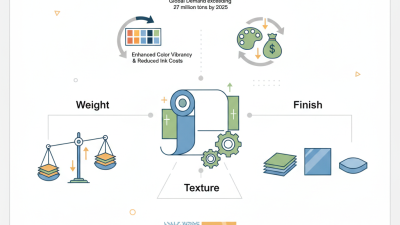
How sustainability and certifications shape paper purchasing

The chart compares four widely recognized environmental certification frameworks across five practical procurement checks. Forest-management and chain-of-custody certifications mainly verify responsible fiber sourcing and traceability, while ecolabels generally cover a broader range of recycled content, chemical use, energy, water, emissions, and product performance requirements. Buyers should confirm the exact certificate scope for each paper grade and market.

How to Evaluate Suppliers, Costs, and International Delivery

2026 Best Office Paper for Global Buyers?

Choosing office paper internationally requires more than comparing prices per carton. In purchasing trials, I check weight, brightness, opacity, surface smoothness, and copier performance. A 80 gsm sheet may feed well in one machine but curl in another. Request samples from several suppliers before negotiating volume.

Supplier reliability needs practical evidence. Review production capacity, quality records, export experience, and response speed. Ask for recent test reports, packaging photos, and references from comparable buyers. My early comparisons focused too heavily on unit cost. That mistake ignored damaged cartons, inconsistent batches, and slow replies. These details can quietly increase the real expense.

Tips: Calculate landed cost, including paper, packing, insurance, freight, duties, and local handling. Confirm delivery terms and document responsibilities in writing. For sea shipments, request moisture protection and strong pallet wrapping. Check carton dimensions because warehouse space and unloading fees matter. Build a small time buffer for port delays. International delivery is rarely perfectly predictable. Suppliers should explain production schedules, inspection points, and claims procedures clearly. A low quote may still be useful, but only after its assumptions are visible.