Top 5 Thermal Printing Paper Types for Your Business Needs?
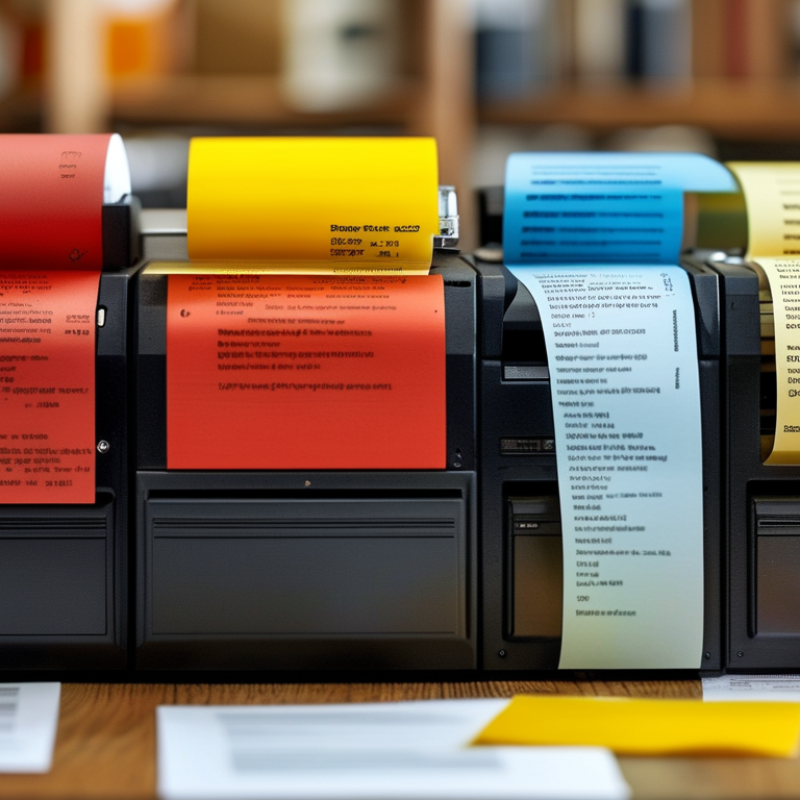
In today's fast-paced business environment, choosing the right Thermal Printing Paper is crucial. Different industries have varied needs. The paper type can affect both print quality and efficiency. Whether you're labeling products or printing receipts, the right choice matters.
Thermal Printing Paper comes in various types, each with specific features. Some offer greater durability, while others excel in clarity. Understanding these differences ensures your printing process runs smoothly. Choosing poorly could lead to smudged prints or paper jams, causing delays.
Businesses should reflect on their requirements. Are durability and speed more important than cost? Consider the specific applications. Selecting the right Thermal Printing Paper can enhance customer satisfaction and streamline operations in the long run.
Understanding Thermal Printing Paper and Its Importance for Businesses
Understanding thermal printing paper is crucial for any business that relies on this technology. Thermal printing paper plays a significant role in various sectors, including retail, logistics, and healthcare. According to a report by Smithers Pira, the demand for thermal paper is expected to grow at a rate of 4.4% annually through 2024. This growth highlights the increasing reliance on efficient printing solutions.
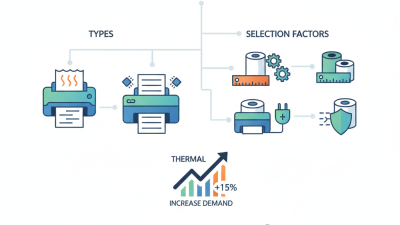
The choice of thermal printing paper can impact efficiency and operational costs. For instance, businesses that use high-quality thermal paper experience fewer printing errors. A study by the International Journal of Production Research indicated that poor-quality paper can lead to a 15% increase in waste. Companies must assess their unique needs to select the right paper type. Factors such as thickness and coating will determine durability.
Not all thermal papers are created equal. Some papers may produce images that fade over time, compromising receipts and labels. In addition, the environmental impact of thermal paper is worth considering. A lack of recycling options poses challenges for sustainability. Businesses should strive for a balance between quality and eco-friendliness to ensure long-term reliability and minimal environmental footprint.
Types of Thermal Printing Papers and Their Unique Features
When it comes to choosing thermal printing paper, understanding the types available is crucial for maximizing efficiency. One popular type is direct thermal paper. This paper is sensitive to heat and creates images without the need for ink. It's ideal for short-term labels and receipts. However, it can fade over time, especially when exposed to sunlight or high temperatures.
Another common choice is thermal transfer paper. This type requires a ribbon and is perfect for long-lasting prints. It’s often used for barcodes and labels that need to endure various conditions. The prints produced are more durable, resisting water and abrasion. However, it may require additional equipment and costs.
Self-adhesive thermal paper is also worth mentioning. It provides convenience in labels and stickers, as it’s easy to peel and stick. This type works well for shipping and product labeling, but users must ensure proper storage to avoid issues with adhesion over time. The variety of thermal printing papers available allows businesses to select what fits their specific needs while weighing factors like durability and cost.
Factors to Consider When Choosing Thermal Printing Paper
When selecting thermal printing paper, it's essential to consider several key factors to ensure it meets your business needs. One critical aspect is the paper's durability. According to industry reports, high-quality thermal paper can sustain images for over 10 years without fading. Businesses involved in logistics or retail, where long-lasting receipts are crucial, should prioritize durability.
Another important factor is the paper's compatibility with your printer. Thermal printing papers come in various types. Each type may react differently with printer technology. For instance, not all papers are suitable for direct thermal or thermal transfer printers. A mismatch can lead to poor print quality or equipment malfunctions, causing delays.
Cost also plays a significant role in decision-making. While cheaper options are available, they often compromise on quality and longevity. A study indicated that using higher-quality thermal paper can reduce printing errors by up to 30%. This can directly affect operational efficiency and customer satisfaction. Focusing on long-term results rather than short-term savings is vital for sustainable growth.
Top 5 Thermal Printing Paper Types for Your Business Needs
| Paper Type |
Gram Weight |
Coating Type |
Primary Use |
Durability |
| Direct Thermal |
80-150 g/m² |
No coating |
Shipping labels, receipts |
Short-term |
| Thermal Transfer |
80-250 g/m² |
Coated |
Product labels, barcodes |
Long-term |
| Receipt Paper |
50-60 g/m² |
Thermal coating |
Point-of-sale transactions |
Short-term |
| Colored Thermal |
80-150 g/m² |
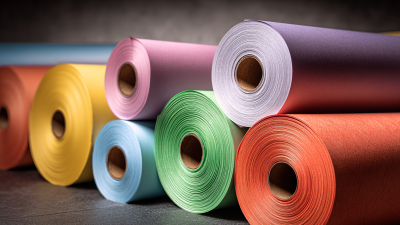
Colored coating |
Promotional materials |
Medium-term |
| Self-Adhesive Thermal |
80-120 g/m² |
No coating |
Labels for packaging |
Medium-term |
Applications of Different Thermal Printing Paper Types in Business
When choosing thermal printing paper for your business, it's essential to understand the applications of different types. Each type serves a unique purpose and industry need. For example, direct thermal paper is commonly used for receipts in retail environments. According to a 2022 market report, 70% of retail businesses rely on this paper type for its cost-effectiveness and clear prints.
Inkjet thermal paper, on the other hand, is often used in shipping labels. Its water-resistant features ensure durability during transport, making it ideal for logistics companies. Businesses that print labels must choose materials that withstand various weather conditions. It’s a crucial factor that could impact operational efficiency.
**Tip:** Always check the paper's compatibility with your printer. A mismatch can lead to poor print quality and increased waste. Additionally, some thermal papers are sensitive to heat, leading to print fading over time.
For invoices and billing, thermal transfer paper is preferred. It provides a high-quality print suitable for long-term storage. However, this paper type can be more expensive, creating pressure on cost management in smaller businesses. Reflecting on your specific needs can help prevent overspending on unnecessary features.
**Tip:** Monitor your inventory closely. Running out of essential supplies can disrupt your business operations, causing delays and frustration.
Comparative Analysis of Cost and Quality Among Thermal Printing Papers
When selecting thermal printing papers, it’s crucial to evaluate both cost and quality. A recent industry report indicated that thermal paper expenses can account for up to 15% of overall printing budgets. Understanding various types can aid businesses in making informed choices.
There are two main categories: direct thermal and thermal transfer. Direct thermal papers are often cheaper but have a shorter lifespan. They are sensitive to heat and light, which diminishes print quality over time. In contrast, thermal transfer papers use ribbons, providing durable prints but at a higher cost. A study showed that thermal transfer prints can last up to five years under optimal conditions, while direct thermal prints may fade within months.
Additionally, varying quality levels exist within each category. High-quality thermal papers can produce clearer images and reduce errors in barcode scanning. Businesses should be mindful of certifications. Papers that meet global standards ensure a consistent experience. Investing in higher-quality paper can lower costs in the long run, reducing waste and maintenance issues. It’s important to weigh initial expenses against long-term benefits to find the right balance for your business.