How to Choose the Best Thermal Coating Paper for Your Needs?
Choosing the right Thermal Coating Paper is crucial for various applications. Whether for printing receipts, labels, or packaging, the quality of paper can impact performance. Understanding your specific needs is vital. Different types of thermal paper are available, each with unique properties.
Those in industries such as retail or logistics often require durability. In contrast, other applications may prioritize print quality or cost-effectiveness. It is important to know the environmental conditions where the paper will be used. Heat, humidity, and exposure to light can affect how well the paper performs over time.
Experience also indicates that not all Thermal Coating Paper is created equal. Exploring options from reputable suppliers can help ensure reliability. Look for feedback and reviews from other users. This insight can guide your decision-making process. Finding the perfect fit takes time and careful consideration, yet it can lead to significant improvements in efficiency.
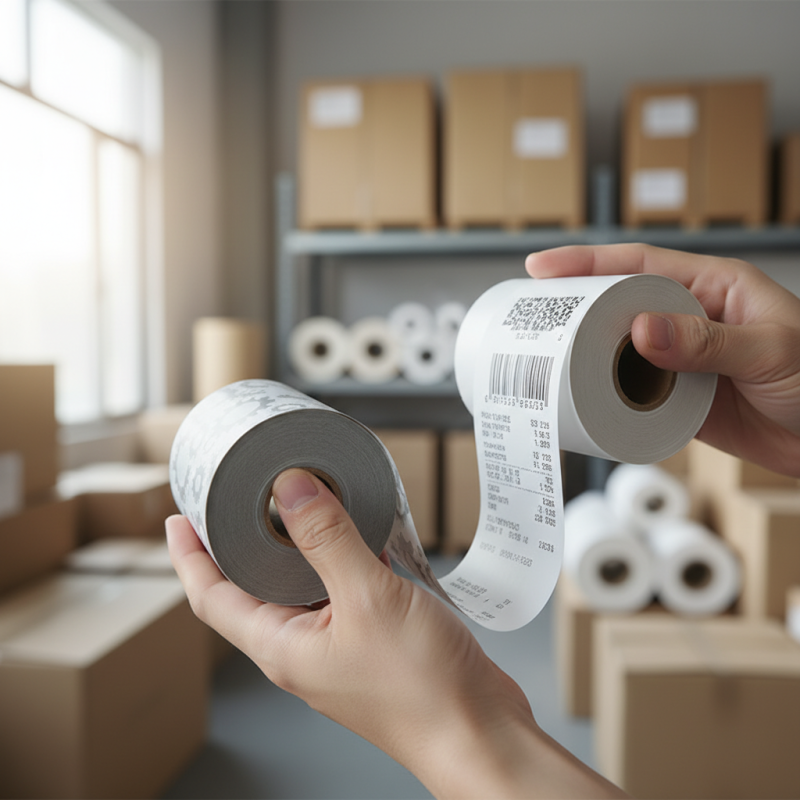
Understanding the Different Types of Thermal Coating Papers Available
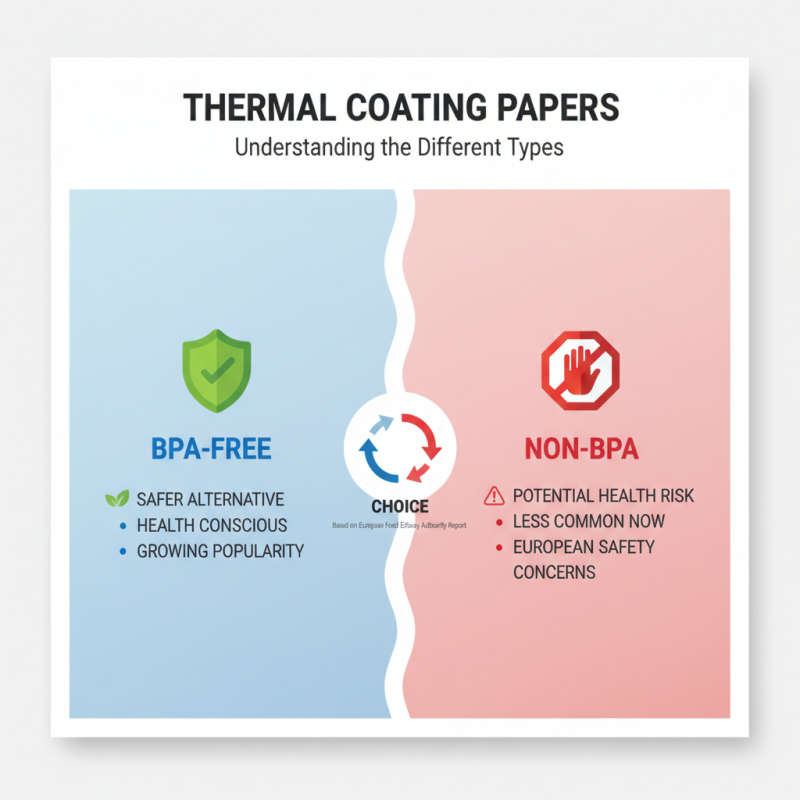
Choosing the right thermal coating paper involves understanding various types available in the market. Thermal paper can be broadly categorized into two types: BPA-free and non-BPA options. BPA-free papers are increasingly gaining popularity due to health concerns. A report by the European Food Safety Authority indicated that BPA could affect human health, prompting many users to shift to safer alternatives.
The coating process varies between these types. BPA-free papers often utilize alternative chemicals that may not perform as well in high-temperature situations. According to industry data, non-BPA thermal papers tend to have a shorter shelf life and can be more susceptible to moisture damage. Users should consider storage conditions to maintain print quality.
In selecting a thermal coating paper, print clarity and longevity are key factors. A recent study revealed that prints on high-quality thermal coating paper can last five times longer than those on lower-quality alternatives. This emphasizes the importance of investing in the right product, despite potential higher costs. Misconceptions about all thermal papers being equal can lead to frustrating outcomes. Understanding these nuances can enhance overall satisfaction and improve operational efficiency.
Key Factors to Consider When Selecting Thermal Coating Paper
Choosing the right thermal coating paper can seem daunting. However, several key factors can guide your selection. Understanding your specific printing needs is crucial. Different applications may require varying properties. For instance, high-resolution printing needs a smoother surface. On the other hand, standard receipts can work well with rougher textures.
Another essential factor is the thickness of the paper. Thinner materials might jam in printers. Thicker choices could be more durable but may cost more. Additionally, consider the temperature sensitivity of the thermal paper. Some papers react better in varying conditions, while others may easily degrade in heat or humidity. Testing a few options is wise before committing to a bulk purchase.
Lastly, think about compatibility with your printing devices. Not all thermal papers work with every printer. Mismatches can lead to improper printing results. Sourcing information from various expertise can also help prevent errors. Always aim for reliable feedback when making your choice. The process requires careful consideration to ensure you meet your requirements effectively.
Comparison of Thermal Coating Paper Types
Evaluating Coating Composition and Its Impact on Performance
When selecting thermal coating paper, understanding the coating composition is crucial. The composition directly influences durability and print quality. For instance, a paper with a higher proportion of silicone may resist heat better, preventing smudging during thermal printing. Different coatings, like resin or wax, play distinct roles. Resin coatings generally provide superior moisture resistance, while wax can offer good clarity for text and images.
Evaluating the coating’s impact on performance may reveal that not all papers are created equal. A common issue with lower-quality coatings is their tendency to become brittle over time. This can lead to cracking and inconsistent prints. On the other hand, premium papers often have coatings that remain flexible, enhancing longevity. It’s essential to ask questions and request samples whenever possible. Pay attention to the feedback from users, as their experiences can highlight potential shortcomings. Relying solely on descriptions may overlook these critical nuances. The goal is to find a balance between cost and quality, ensuring satisfaction with every print run.
Analyzing Thermal Sensitivity Ratings for Various Applications
Choosing the right thermal coating paper is crucial for various applications. One key factor is thermal sensitivity ratings. These ratings indicate how responsive the paper is to heat. Higher sensitivity papers react quickly, making them suitable for fast printing. Lower sensitivity papers require more heat, which can affect print quality.
Applications vary widely. For example, retail receipts benefit from high sensitivity. They need quick drying times to handle fast transactions. In contrast, labels for shipping might use lower sensitivity paper, as they need durability over speed. The right choice depends on your specific needs.
When evaluating thermal sensitivity ratings, consider your equipment. Some printers work better with high sensitivity papers. They can produce sharp, clear prints. However, not all applications demand this. Choosing the wrong paper can lead to smudging or fading. This inconsistency creates challenges, highlighting the importance of informed decision-making when selecting thermal coating paper.
Comparative Cost Analysis of Thermal Coating Papers in the Market
When selecting thermal coating paper, cost is a critical factor. Various options exist, each with its own pricing structure. Some papers are more affordable upfront but may lack durability. Others are pricier yet provide exceptional longevity and performance. Analyzing these costs requires looking beyond just the initial purchase price.
Consider the context of use. If the paper will be subjected to frequent handling or extreme temperatures, investing more upfront might save money in the long run. Lower-cost papers may degrade quickly, leading to more frequent replacements. This can add hidden costs over time.
It's also beneficial to compare bulk purchasing options versus single rolls. Buying in larger quantities can reduce the overall cost per unit. However, be cautious. If the paper does not meet your needs, bulk purchases can lead to waste. Each decision involves weighing immediate costs against long-term value. This balance can be tricky and requires thoughtful consideration.
How to Choose the Best Thermal Coating Paper for Your Needs? - Comparative Cost Analysis of Thermal Coating Papers in the Market
| Paper Type |
Thickness (µm) |
Width (mm) |
Length (m) |
Cost per Roll ($) |
Performance Rating (1-10) |
| Standard Thermal |
60 |
80 |
100 |
15 |
7 |
| Premium Thermal |
70 |
80 |
100 |
25 |
9 |
| Eco-Friendly Thermal |
65 |
80 |
120 |
20 |
8 |
| High Sensitivity Thermal |
50 |
80 |
100 |
18 |
10 |
| Water-Resistant Thermal |
80 |
80 |
100 |
30 |
9 |