What is Cash Register Rolls and How to Choose Them?
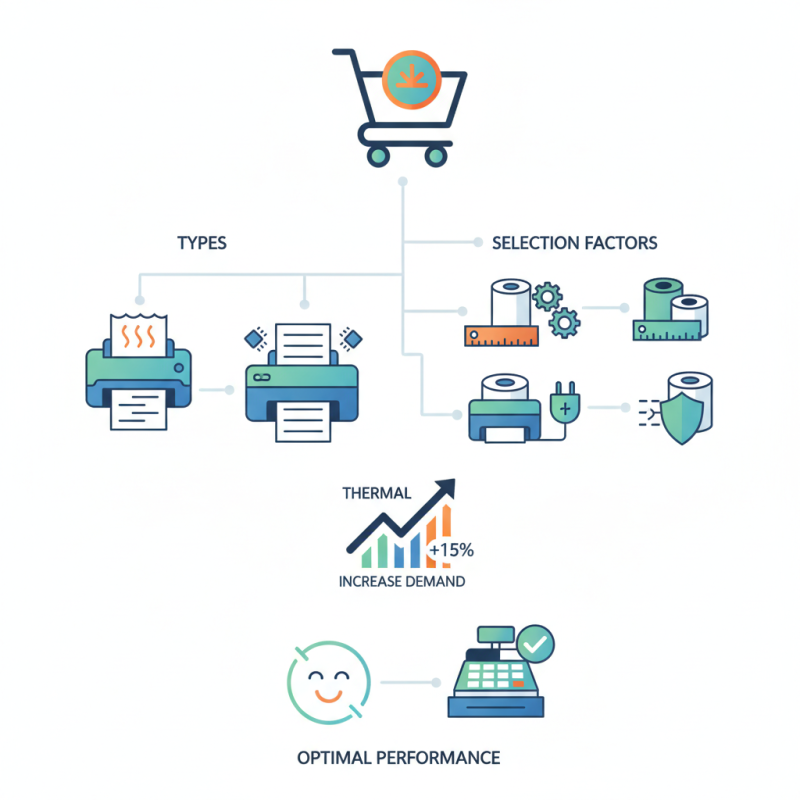
Cash Register Rolls play a crucial role in retail environments. These paper rolls capture transaction details and are essential for daily operations. According to a recent industry report, the demand for quality Cash Register Rolls has increased by 15% over the past year. This surge highlights the importance of selecting the right type of roll for different business needs.
Industry expert Mark Thompson emphasized, “Choosing the correct Cash Register Rolls can enhance transaction efficiency.” His insight reflects the necessity for businesses to align their choices with specific operational requirements. With multiple options available, including thermal and bond paper rolls, businesses must evaluate their printing needs and budget effectively.
Understanding the nuances of Cash Register Rolls can be challenging. Many small business owners may overlook this vital component, leading to inefficiencies. Selecting inferior products can result in paper jams and reduced print quality. Therefore, it's essential to explore options thoroughly and consider factors such as roll size, compatibility, and durability to ensure optimal performance.
What Are Cash Register Rolls and Their Uses?
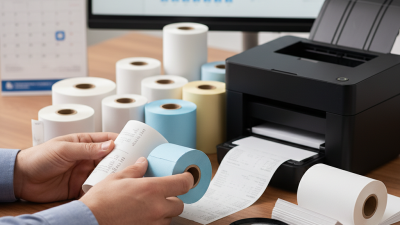
Cash register rolls are essential for retail operations. They play a crucial role in transaction recording. Research by the National Retail Federation indicates that nearly 80% of shoppers still prefer receipts for their purchases. Cash register rolls come in various sizes and materials, impacting their functionality. Receipt paper can be thermal or bond, and each type has its specific uses.
The choice of cash register rolls can affect customer satisfaction. High-quality rolls produce clear prints. Blurry or faint prints frustrate customers and create confusion. A study found that 45% of consumers value easy-to-read receipts. Using the right width and type ensures compatibility with various register models. Retailers should consider the environment when selecting materials. Some options are made from recycled paper, appealing to eco-conscious consumers.
Many businesses overlook the importance of the roll's durability. Not all rolls resist fading or smudging over time. About 34% of businesses report that low-quality rolls lead to increased costs due to replacements. On the other hand, premium rolls might come at a higher price but can save money long-term. It is vital to weigh cost against quality for optimal decision-making.
Cash Register Rolls Usage and Selection
Key Features of Cash Register Rolls to Consider
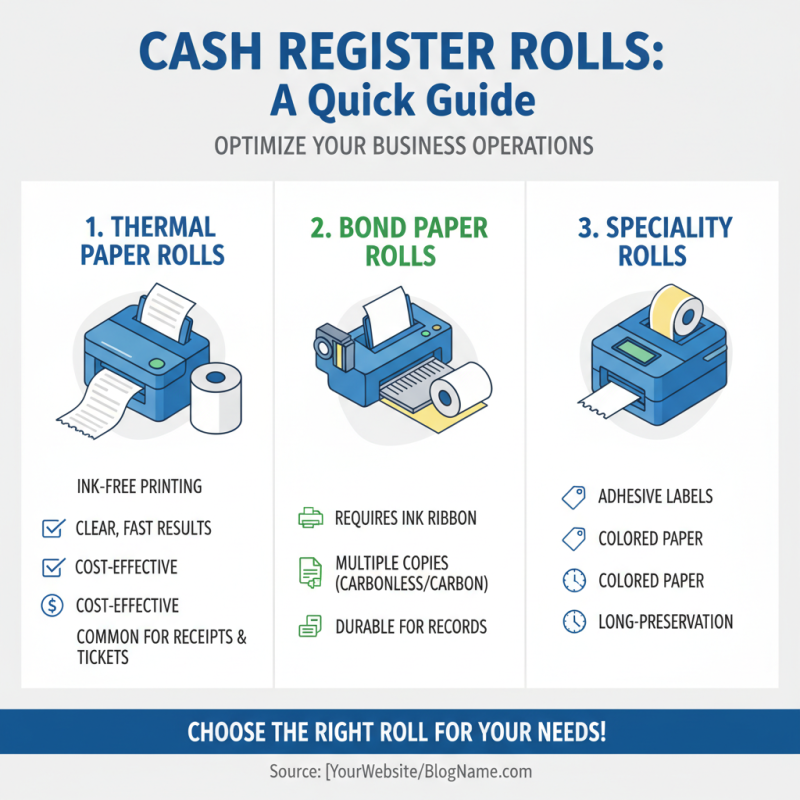
When selecting cash register rolls, several key features stand out. The type of paper is crucial for durability and print quality. Most cash register rolls are thermal or bond paper. Thermal rolls provide sharp prints and are heat-sensitive. They are commonly used in modern point-of-sale systems. However, bond paper is more suited for traditional registers due to its longevity.
Roll width and length are vital considerations, as they must fit specific register models. Common widths range from 2 to 3 inches. Length can vary significantly, affecting the number of prints per roll. Industry data suggests that approximately 70% of businesses opt for 2.25-inch wide rolls for their versatility. Always check compatibility with your machine to avoid waste.
Tips: Pay attention to the core size; it influences how well the roll fits into the register. Consider ordering in bulk; it can cut costs significantly. Some businesses note that investing in higher-quality paper enhances customer experience, reducing the likelihood of jams or poor prints. Think about how often you change rolls. This helps in forecasting supply needs effectively.
Different Types of Cash Register Rolls Available
When it comes to cash register rolls, understanding the available types can greatly impact your business operations. The most common type is thermal paper rolls. These rolls are designed for thermal printers, commonly used in receipts and ticketing systems. They provide clear printing without the need for ink, making them efficient and cost-effective.
Another type is bond paper rolls. These rolls are ideal for situations where durability is essential. Bond paper withstands ink smudging and wear, making it suitable for longer-lasting documents. They come in various sizes to fit different registers, ensuring compatibility across various machines. The choice of paper weight can also affect durability and feel, so it's worth considering your specific needs.
The quality of cash register rolls is vital. Poor-quality rolls may lead to fading or illegible receipts, which can frustrate customers. It’s essential to evaluate your printer type, volume of transactions, and storage conditions when selecting rolls. Not all rolls are created equal, so doing your research could prevent future issues. Test small batches before committing to larger orders to ensure satisfaction.
Factors to Consider When Choosing Cash Register Rolls
Choosing the right cash register rolls is crucial for retailers. These rolls ensure smooth transactions and customer satisfaction. When selecting rolls, several factors come into play.
First, consider the width and length of the cash register rolls. Most standard registers use 2 ¼” wide rolls, but sizes can vary. A study from the National Association of Retail Merchants found that 65% of retailers reported issues with the wrong roll size, affecting their transaction speed. Check your register specifications before purchasing.
Another key aspect is the paper quality. Thermal paper is popular due to its quick printing capabilities. However, lower-quality rolls can fade quickly. Research indicates that a good thermal roll can last more than five years with proper storage. Factors like sensitivity to heat and light will also impact longevity. Look for products with certifications to ensure reliability. Ultimately, investing in quality cash register rolls will save time and improve your operations.
What is Cash Register Rolls and How to Choose Them? - Factors to Consider When Choosing Cash Register Rolls
| Factor |
Description |
Recommended Material |
Common Dimensions |
| Size |
Ensure the roll fits your cash register. |
Thermal or standard paper |
2 1/4" x 50' |
| Material |
Choose based on your printing needs and environment. |
White, color, or carbonless |
3" x 200' |
| Quality |
Higher quality paper reduces smudging and fading. |
Premium thermal paper |
2 1/4" x 150' |
| Print Compatibility |
Ensure your printer type is compatible with the roll type. |
Thermal or impact paper |
2" x 50' |
| Environmental Considerations |
Select rolls that meet eco-friendly standards. |
Recyclable material |
Custom sizes available |
Tips for Properly Storing and Maintaining Cash Register Rolls
Proper storage and maintenance of cash register rolls directly affect their performance and longevity.
According to a report by the National Retail Federation, up to 30% of businesses face issues related to paper quality that can lead to transactional problems.
When rolls are stored in a humid or excessively hot environment, the paper can deteriorate, affecting print clarity.
To enhance the life of cash register rolls, consider these tips:
- Keep them in a cool, dry place.
- Avoid locations near heat sources like printers or under direct sunlight.
- It's essential to seal unused rolls in airtight bags to prevent moisture infiltration.
- Additionally, regularly check the expiration date as outdated rolls may not perform well.
Another tip is to handle rolls with clean hands. Oils from fingers can transfer to the paper, leading to smudging.
If you notice any discoloration or damage, discard the roll immediately.
Regular inventory checks can help in identifying rolls that need replacement. This proactive approach mitigates disruptions during busy times.