Leave Your Message

2026 Top Book Paper Types for Global Buyers

Choosing the right Book Paper in 2026 requires more than comparing price lists. Global buyers must balance print quality, reader comfort, shipping weight, and responsible sourcing.

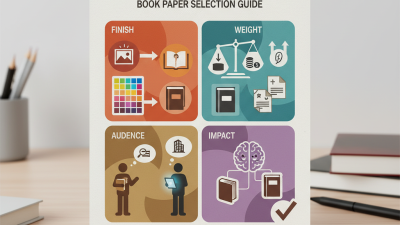
This guide examines leading paper types for novels, textbooks, catalogs, and premium editions. It covers coated paper, uncoated woodfree paper, cream paper, recycled paper, and lightweight grades. Each option behaves differently on press. Bright coated sheets sharpen photographs. Cream uncoated sheets reduce glare during long reading sessions. Recycled grades can add character, but their surface and shade may vary between mills.

Paper specifications deserve careful attention. Buyers should compare grammage, opacity, bulk, caliper, brightness, and grain direction. A 70 gsm sheet may feel substantial when its bulk is high. A thin sheet may still perform well if opacity is properly controlled. Requesting printed samples remains essential. A digital specification cannot reveal show-through, curl, ink absorption, or page stiffness. Small details matter.

Ask for current mill data. Also verify chain-of-custody certificates, test methods, and production tolerances. Experienced purchasing teams often test one complete dummy book before placing a large order. That step may seem slow. It can prevent costly surprises. Still, no paper type is perfect for every market. Climate, binding equipment, transport distance, and reader expectations can change the best choice. Buyers should review their assumptions, not merely repeat last year’s specification. This article offers a practical comparison for informed decisions, while recognizing that local trials remain the most reliable evidence.
2026 Top Book Paper Types for Global Buyers

What Book Paper Is and Why It Matters to Global Buyers

2026 Top Book Paper Types for Global Buyers

What Book Paper Is and Why It Matters to Global Buyers

Book paper is a manufactured sheet made mainly from cellulose fibers, water, fillers, and sizing agents. Its behavior depends on fiber length, refining, moisture, caliper, and surface treatment. A 70 gsm uncoated sheet feels different from a 90 gsm coated sheet, even when both look white. The practical question is not simply, “Which paper is cheapest?” It is, “Will this sheet protect the text, reproduce images, and survive shipping?” Good buying starts there.

Scale matters. The FAO’s Global Forest Products Facts and Figures 2023 reports more than 400 million tonnes of paper and paperboard production worldwide. That volume does not guarantee consistent quality between mills or regions. CEPI’s 2023 Monitoring Report recorded a 79.3% paper recycling rate in Europe. Recycled content can reduce virgin-fiber demand, but it may change shade, formation, strength, and press performance. The environmental claim still needs evidence.

For global buyers, uncoated woodfree paper often suits novels, manuals, and school books. Coated paper gives sharper images and smoother covers. Higher-bulk paper can reduce page count without making a book feel thin. Ask for GSM, caliper, opacity, brightness, moisture, grain direction, and test reports. Request a printed dummy before approving a large order. I have sometimes trusted a laboratory sheet too quickly. A press trial can reveal curl, ink set-off, or show-through. Small defects become expensive across borders.
Key Book Paper Types Used in Modern Publishing

2026 Top Book Paper Types for Global Buyers

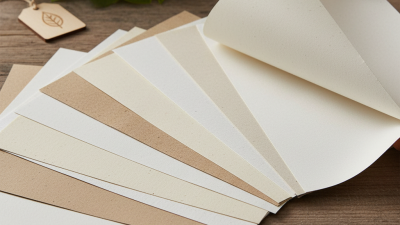
Modern publishing relies on several book paper types, each serving a different reading experience. Uncoated woodfree paper remains popular for novels, textbooks, and general nonfiction. Its soft surface absorbs ink well and reduces glare under strong reading lights. Cream-colored book paper offers a warmer page tone and may feel easier on the eyes. It feels calm.

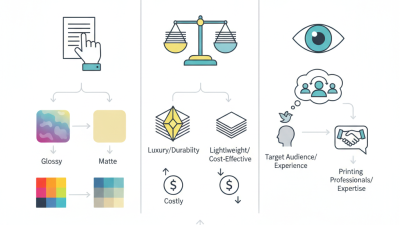
Coated paper creates sharper images for art books, catalogs, and illustrated nonfiction. Gloss coating gives strong color contrast, while matte coating controls reflections more effectively. Offset paper is practical for high-volume printing because it supports stable ink transfer and consistent folding. Recycled paper can add a natural texture, but buyers should check opacity, surface strength, and visible fiber variation. Results can differ between batches.

Experienced buyers should compare paper weight, caliper, bulk, brightness, and opacity before approving production. A 70 gsm sheet may look economical, yet poor opacity can make reverse-side text distracting. Heavier paper is not automatically better. It can increase shipping weight and cause binding stress. Ask for printed samples, moisture data, and grain-direction details. Test pages after folding and trimming. This small step often reveals cracking or curl. No paper is perfect. The right choice balances readability, image quality, durability, cost, and regional printing conditions.agext

How Book Paper Types Differ in Weight, Texture, and Opacity

2026 Top Book Paper Types for Global Buyers

For global buyers in 2026, book paper selection starts with three measurable traits: weight, texture, and opacity. Weight is usually stated in gsm, or grams per square metre. A 70 gsm sheet feels light and keeps shipping costs modest. A 120 gsm sheet feels firmer and supports photographs better. However, higher gsm does not always mean higher quality. I have seen thin, well-formed paper outperform heavier stock in a long paperback run.

Texture changes both reading comfort and ink behavior. Coated surfaces feel smooth and reproduce fine images sharply. Uncoated paper has a warmer touch and absorbs ink more quickly. A rough finish can suit poetry or art books, but small type may look less crisp. Request physical samples before approval. Digital images hide grain, stiffness, and the sound of turning pages. It matters in libraries.

Opacity controls show-through from the reverse side. High-opacity paper protects reading comfort, especially with dense black text or illustrations. Low-opacity sheets may create distracting shadows, even when the paper feels pleasant. Ask suppliers for opacity data and compare identical pages under strong light. I once judged a sample too quickly because its cover was dark; the interior performed differently. I still check differently. Buyers should test folding, trimming, drying time, and binding compatibility before confirming a production specification.

2026 Top Book Paper Types for Global Buyers - How Book Paper Types Differ in Weight, Texture, and Opacity
Paper Type Typical Basis Weight Typical Caliper Texture and Surface Typical Opacity Common Book Applications Buyer Considerations
Uncoated Offset Paper 70–100 g/m² 85–125 μm Faintly textured, absorbent, and easy to write on; usually available in white shades. Medium Textbooks, workbooks, manuals, general trade books, and office-style publications. Cost-effective and widely printable; ink may show through at lower weights, especially with dark images.
Cream or Natural Book Paper 60–90 g/m² 75–115 μm Soft, warm-colored surface with a smooth to lightly textured feel; designed to reduce visual glare. Medium Novels, literary fiction, essays, poetry, and long-form reading books. Comfortable for extended reading; the cream shade can make printed colors appear less vivid.
Woodfree Uncoated Paper 80–120 g/m² 95–145 μm Smooth, clean, and relatively uniform surface made primarily from chemical pulp; available in white or natural shades. Medium–High Reference books, educational books, premium text pages, and publications requiring clear typography. Good print sharpness and dimensional stability; higher grades generally provide better opacity and bulk.
Matte-Coated Paper 90–170 g/m² 80–150 μm Low-glare coated surface with a smooth, velvety feel and controlled ink absorption. High Art books, illustrated nonfiction, catalogs, photography books, and educational materials with images. Produces detailed images with less glare than gloss paper; fingerprints and scuffing can still vary by finish.
Gloss-Coated Paper 90–170 g/m² 75–145 μm Highly smooth, reflective surface that enhances color saturation and image contrast. High Photography books, picture books, visual guides, cookbooks, and premium illustrated publications. Excellent image brightness and color impact; glare may reduce reading comfort for large blocks of text.
Recycled Uncoated Paper 70–120 g/m² 90–150 μm Natural or slightly grayish appearance with a soft, sometimes visibly fibrous texture. Medium Eco-focused books, notebooks, educational publications, community projects, and general reading books. Fiber content, shade, and formation can vary; opacity may require a higher basis weight for dense printing.
Newsprint 40–52 g/m² 45–65 μm Lightweight, porous, and slightly rough surface with a natural grayish or off-white appearance. Low Short-life books, low-cost editions, newspapers, comics, inserts, and temporary publications. Very economical and lightweight, but it has lower opacity, faster aging, and limited image quality.
Bible or Thin Book Paper 30–60 g/m² 35–65 μm Very thin, smooth, and compact; often engineered with high opacity relative to its low weight. Medium–High Compact editions, dictionaries, reference books, multi-volume works, and books with high page counts. Reduces finished book thickness and weight; requires careful press setup to control show-through and curl.
Textured or Felt-Finish Paper 100–180 g/m² 120–220 μm Distinctive tactile surface, such as felt, laid, linen, or lightly embossed texture. Medium–High Artistic editions, premium covers, invitations, limited editions, and special-format books. Creates a high-end tactile effect; deep textures may reduce small-text sharpness and increase ink coverage variation.
Kraft Paper 80–180 g/m² 100–230 μm Brown or natural tone with a visibly fibrous, durable, and slightly rough surface. Medium Book covers, craft books, journals, children’s activity books, and packaging-style publications. Strong natural appearance and good tear resistance; the brown shade changes the final appearance of printed colors.
Technical note: Basis weight is measured in grams per square metre (g/m²), while caliper indicates paper thickness. Actual weight, thickness, texture, and opacity vary by pulp composition, coating, moisture, manufacturing process, and supplier specification. Opacity ratings in this table are comparative buying guidance rather than laboratory measurements.

How to Match Book Paper with Book Format and Printing Needs

For global buyers, paper selection should begin with the book format, not the catalog price. A hardcover needs a stable text sheet that opens cleanly without excessive cracking. Uncoated woodfree paper suits novels, essays, and educational titles because it reduces glare and supports comfortable reading. For art books, coated paper gives photographs sharper detail and deeper contrast. However, heavier paper increases shipping weight. That trade-off is easy to underestimate.

FAO forestry statistics reported global paper and paperboard production above 400 million tonnes in 2022. This scale shows the industry’s capacity, but it does not guarantee consistent quality between mills. Buyers should request brightness, opacity, bulk, moisture, and caliper data before approval. A 70 gsm sheet may work for a compact paperback. A 90 gsm sheet can reduce show-through in novels with dense black text. Test the actual printed pages. Screen samples can mislead.

Smithers’ global printing outlook identifies digital printing as a continuing growth area, especially for shorter and customized runs. Digital production often favors papers with controlled surface strength and reliable ink absorption. Offset printing provides broader paper flexibility, but coated stocks may need drying tests. Grain direction also matters. It affects binding, page turning, and spine performance. In my production reviews, the cheapest paper rarely delivered the lowest total cost. Still, premium paper is not automatically better. A slightly lighter, opaque sheet may outperform a thicker one, but only after folding, trimming, and binding trials.

What Global Buyers Should Check Before Selecting Book Paper

Choosing book paper in 2026 requires more than comparing price per tonne.

Global buyers should examine paper type, fiber content, grammage, opacity, and moisture stability. Common options include uncoated woodfree, coated paper, recycled paper, and cream-colored book stock. FAO’s 2023 forestry statistics reported global paper and paperboard production at approximately 423 million tonnes. This scale makes traceability and consistent quality increasingly important.

Check technical data before requesting samples. ISO 536 confirms grammage, while ISO 2471 measures opacity. For novels, low opacity can make printed text show through the page. A practical range is often 70–90 gsm, but page count and printing method matter.

ISO 2470 brightness data can help, although very bright paper may create uncomfortable glare. Buyers should also request moisture results under ISO 287.

A shipment may pass inspection yet behave differently after humid sea transport. That risk is easy to underestimate.

Tips:

Ask for three samples from separate production batches. Test folding, ink drying, surface dust, and page feel. Compare sheets after 48 hours in your destination climate.

Request recycled-fiber percentages and chain-of-custody documents from suppliers. Smithers’ packaging and paper-market research continues to highlight sustainability pressure, but recycled content alone does not guarantee good printability.

I would avoid choosing only from a supplier’s laboratory sheet. Real press trials reveal problems that polished specifications sometimes miss.