Top 10 Best Receipt Rolls for Efficiency and Quality?
In the retail and hospitality sectors, the efficiency and quality of receipt rolls play a crucial role in daily operations. According to industry reports, nearly 60% of businesses prioritize receipt paper quality to enhance customer experience. This emphasis highlights the importance of selecting the right receipt rolls for optimal performance.
Receipt rolls are essential for transactions, serving as both documentation and a branding tool. They come in various sizes and materials, which can affect printing clarity and durability. Recent studies indicate that better quality rolls lead to fewer printer failures, saving time and ultimately boosting productivity. However, many businesses still overlook this critical aspect. A simple decision regarding receipt rolls can have significant implications for operational efficiency.
Quality matters. Many retailers experience challenges when using low-grade receipt rolls, leading to poor print quality and customer dissatisfaction. It’s vital to consider factors like thermal sensitivity and environmental impact when selecting receipt rolls. Striking a balance between cost and quality is vital for long-term success and customer loyalty. A thoughtful approach to choosing receipt rolls is essential for any business aiming to enhance its efficiency and service quality.

Understanding Receipt Rolls: Types and Uses
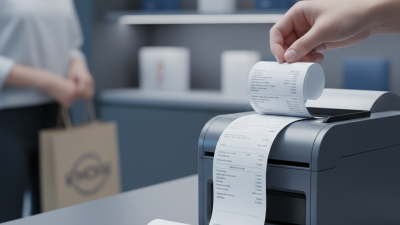
Receipt rolls are essential in various industries, providing critical support for transaction processes. Understanding the different types and their uses can significantly enhance efficiency. Thermal paper rolls and bond rolls are two common types. Thermal rolls are popular for their quick printing capabilities and clear images. They require minimal maintenance, making them a preferred option in busy environments.
Data from industry reports indicates that utilizing high-quality receipt rolls can reduce printing errors by up to 30%. This is crucial for maintaining a smooth transaction workflow, especially in retail and hospitality settings. Receipt paper with proper coatings offers longevity and ensures readability over time.
Choosing the right type impacts customer satisfaction and efficient handling of sales transactions.
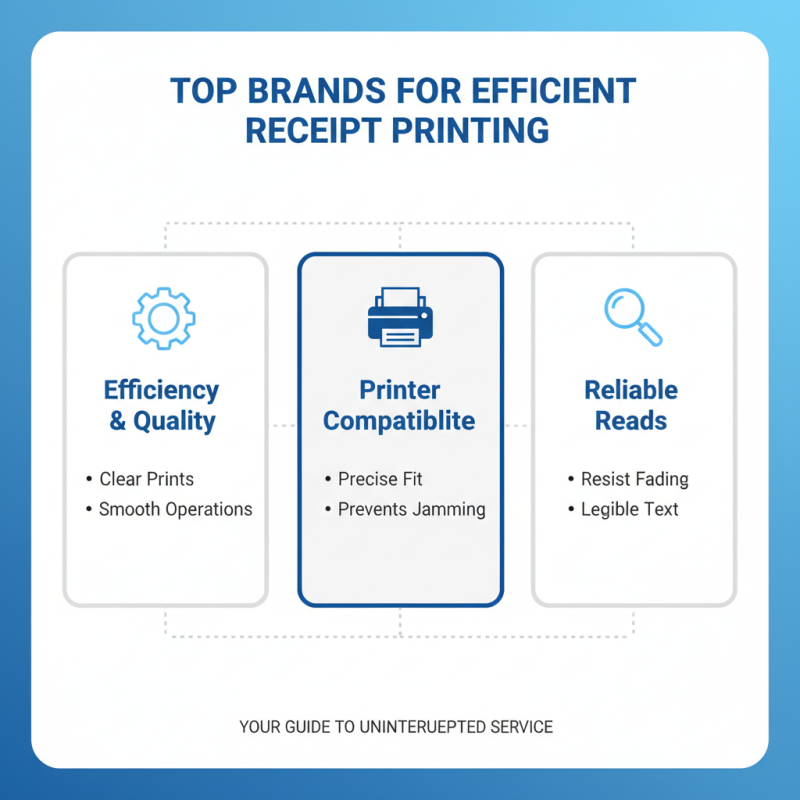
Tip: Always verify the compatibility of receipt rolls with your printer model. Incompatible rolls may lead to frequent jams, affecting service speed.
Additionally, consider your business environment when selecting a type. In high-traffic areas, durability is key. However, cheaper options might wear out fast, increasing overall costs. Balancing quality and expense is vital for long-term benefit.
Key Factors for Choosing High-Quality Receipt Rolls
Choosing high-quality receipt rolls is crucial for any business that relies on efficient transactions. Several key factors can influence your decision. First, consider the paper quality. High-quality receipt rolls should be durable and resistant to fading over time. Paper that smudges easily can harm your professional image.
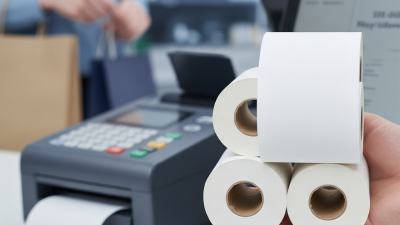
Next, the size of the roll matters. Ensure the rolls are compatible with your printer. A mismatch can lead to waste, tarnishing your operational efficiency. Additionally, think about the thermal coating used on the rolls. Inferior coatings can result in poor print quality, which may annoy customers.
Another factor to weigh is environmental impact. Eco-friendly options are becoming increasingly available. However, they may not always deliver superior performance. Balancing sustainability with quality can be challenging. You may find that some options require more frequent replacements. This discrepancy can increase your overall costs. Thus, it’s vital to assess every detail carefully to make an informed choice.
Top 10 Best Receipt Rolls for Efficiency and Quality
Comparative Analysis of Receipt Roll Durability
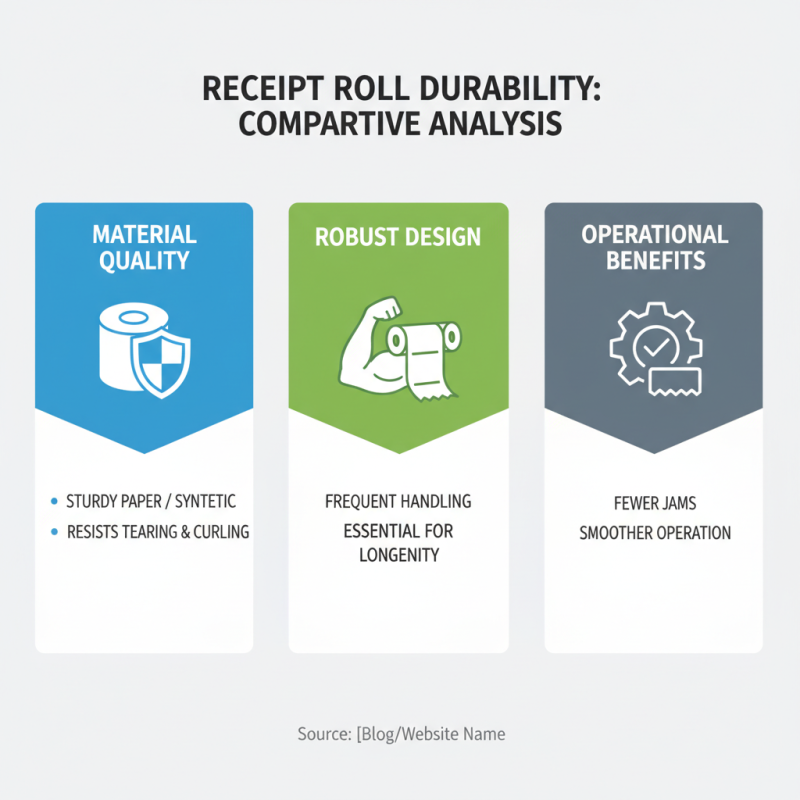
When analyzing receipt roll durability, several key aspects emerge. Material quality stands out as a cornerstone of longevity. A receipt roll made from sturdy paper or synthetic materials typically resists tearing and curling. In environments where rolls are frequently handled, a robust design becomes essential. A strong roll can lead to fewer jams and smoother operation for users.
Another crucial factor is the thermal coating. This layer affects not only print quality but also the lifespan of the receipt. Rolls with better coatings yield clearer prints that resist fading over time. In contrast, cheaper options may provide only short-term solutions. As receipts frequently endure various environmental conditions, such as humidity, choosing the right roll becomes vital.
Even with solid choices, some receipts may still fade or become illegible with time. Printing methods and storage conditions contribute to this issue. Users often overlook how temperature fluctuations can impact the integrity of the thermal coating. Awareness of these nuances helps in making smarter purchases. Thus, evaluating durability is not merely about testing materials; understanding the entire life cycle of the receipt roll is equally significant.
Customer Reviews: What Users Say About These Receipt Rolls
When choosing receipt rolls, user reviews can provide valuable insights. Many customers emphasize the importance of quality. A roll that jams frequently can waste time and frustrate employees. Users often note that thermal rolls tend to have clearer prints. This quality can enhance customer satisfaction and communication.
Tips: Consider roll compatibility with your printer. Check dimensions to avoid purchasing the wrong size. Some customers recommend testing small quantities before buying in bulk. This can save you money and prevent waste.
Durability is another concern highlighted in reviews. Some users find that rolls wear out quickly, leading to fading prints. It's essential to read about the longevity of the rolls from fellow users. Many suggest opting for rolls with BPA-free materials for safer handling.
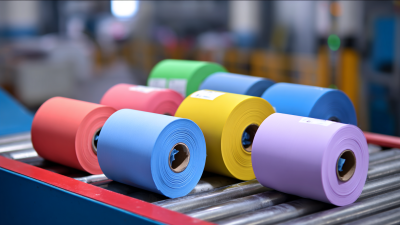
Lastly, color and design matter too. Receipts with clear branding can reinforce your business image. However, some consumers report that overly bright paper can distract from the printed information. Balancing aesthetics with functionality is key.