Leave Your Message

What Is Printing Paper and What Are Its Types?

Printing Paper is more than a white surface beneath words. Its fiber blend, weight, coating, and finish affect how ink dries, colors appear, and pages feel in the hand. A glossy brochure reflects light; uncoated stock absorbs ink and often feels warmer. The differences matter at the press and on the page.

The Food and Agriculture Organization reported that global paper and paperboard production reached about 401 million tonnes in 2022. That figure covers many uses, not printing alone, but it shows the scale of the material behind everyday print. Paper scientist Martin A. Hubbe offers a useful technical definition: “Paper is a thin, flat material produced by pressing together moist fibers.” Fiber structure is only part of the story. Fillers, sizing, and surface treatments also shape performance.

This guide explains common Printing Paper types, including coated and uncoated sheets, bond paper, newsprint, and heavier cover stocks. It also explores how brightness, opacity, basis weight, and finish influence a job’s results. A lightweight sheet can show print through from its reverse. A coated sheet may sharpen images but require careful ink and drying choices. There is no single best paper. A practical choice depends on the printer, design, budget, and intended use—and sometimes the first choice needs revisiting.
What Is Printing Paper and What Are Its Types?

Definition and Purpose of Printing Paper

Printing paper is a manufactured sheet designed to receive text, images, or both from a printing process. Its fibers, surface finish, thickness, and absorbency affect how ink or toner appears. A smooth sheet can keep small letters crisp, while a lightly textured sheet may soften fine details. That matters.

The purpose of printing paper is to carry information clearly and suit the way it will be handled. A school handout may need to be light and easy to stack. A photograph often benefits from a coated surface that holds detail and color. Paper weight, commonly measured in grams per square metre, gives a useful comparison, but it does not describe stiffness or opacity by itself. Hold a sample up to a lamp. See how much shows through.

In practice, paper choice depends on the printer, the image, and the intended use. A very absorbent sheet can make dark areas look dull; a glossy sheet may show fingerprints. I have found that screens can make paper colors seem misleading, so a physical sample is more reliable. Even then, room lighting changes what you see. Not always obvious.
Physical and Performance Properties of Printing Paper

Printing paper is more than a surface for ink. Its weight, thickness, texture, brightness, and opacity all affect the finished page. A heavier sheet often feels sturdier, while a lightweight sheet can make a thick booklet easier to handle. Thickness is not identical to weight, though. Two papers with the same weight may feel quite different.

Surface texture influences both appearance and printing performance. Smooth paper can produce crisp text and fine details. A lightly textured sheet may soften small lines but add a tactile quality to invitations or art prints. Brightness affects how vivid colors appear, while opacity helps prevent text from showing through the reverse side. Ink absorption matters, too. If ink spreads too quickly, letters can look fuzzy; if it dries slowly, smudging may occur. I’ve found that paper descriptions alone can be misleading, so a small test print is worth the effort.

Tips: Check the paper in the actual lighting where it will be read. Hold a sample against a page of dark text to judge show-through, then print a color block to assess sharpness and drying time. Small differences are easy to miss on a screen.

How Printing Paper Is Made

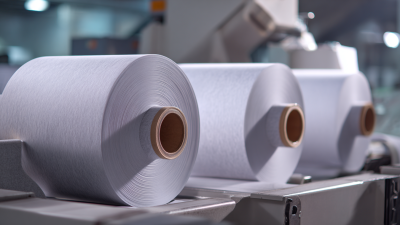
Printing paper begins as a mixture of fibers and water. Many mills use wood chips, while some also process recovered paper. The fibers are separated mechanically or with heat and chemicals, then washed to remove unwanted material. Bleaching may be used when a brighter sheet is needed. Recycled fibers need extra cleaning. Tiny ink specks can remain, though modern screening removes many of them.

The cleaned pulp is diluted until it flows like thin soup. It enters a paper machine through a wide headbox and spreads across a moving mesh. Water drains away, leaving a fragile web of fibers. It is delicate. Press rolls squeeze out more water, and heated cylinders dry the sheet. Starch or other sizing agents may be added to help control ink absorption. Some grades receive a smooth coating of minerals, then pass through polished rollers that even the surface. I once assumed paper became smooth through drying alone; the finishing steps matter more than I expected. Finally, sensors check thickness and moisture before large rolls are cut into printing sheets. Small changes in fiber mix or drying can affect how sharply ink appears.

What Is Printing Paper and What Are Its Types? - How Printing Paper Is Made

Paper type Typical basis weight Composition and surface How it is made Common printing uses
Uncoated woodfree paper About 60–120 g/m² Usually made mainly from chemically pulped fibers. Its surface is not covered with a mineral coating and may have a natural or lightly calendered finish. Pulp is formed into a sheet, pressed, dried, and often surface-sized or calendered to improve smoothness and ink handling. Books, office documents, forms, letterheads, and general-purpose printing.
Coated paper About 80–250 g/m² A paper base with a mineral-pigment coating, commonly made with materials such as kaolin clay or calcium carbonate. Available in gloss, silk, or matte finishes. A coating mixture is applied to the base sheet, then dried and finished, often by calendering, to create a smoother surface and more consistent ink holdout. Magazines, catalogs, brochures, posters, and image-heavy publications.
Newsprint About 40–52 g/m² Lightweight, generally uncoated paper made with a substantial proportion of mechanical pulp; recycled fiber may also be used. Pulp is formed into a thin web, pressed, dried, and wound into large rolls. Mechanical pulp helps provide bulk and opacity at low weight. Newspapers, inserts, and other high-volume publications, especially those printed by web offset.
Kraft paper About 50–120 g/m² for many printable grades Made primarily from chemical pulp produced by the kraft process. Often brown and unbleached, though bleached and smoother grades are also available. Wood chips are chemically cooked to separate fibers while retaining much of their strength. The pulp is washed, formed into a sheet, pressed, and dried. Bags, labels, wrapping, and packaging printed using processes suited to the grade and surface.
Recycled printing paper About 60–120 g/m² Contains recovered paper fiber; the proportion and fiber quality vary by grade. It may be uncoated or coated and may include some virgin fiber. Recovered paper is sorted, pulped, and cleaned to remove contaminants. Deinking may be used when a brighter sheet is required; the recycled pulp is then formed, pressed, and dried. Office paper, books, reports, flyers, and publications, depending on the grade and print requirements.
Paperboard Often about 200 g/m² and above; specifications vary by grade A thicker, stiffer sheet made from one or more fiber layers. It may be coated on the print side and can contain virgin, recycled, or mixed fibers. One or more pulp layers are formed, pressed, and dried to achieve the required thickness and stiffness. Surface coating or finishing may be added for print quality. Folding cartons, covers, cards, display materials, and other products that need a heavier printable sheet.

Basis-weight ranges are indicative rather than universal. Availability and suitable printing methods vary by paper grade, finish, and intended use.

Common Types of Printing Paper

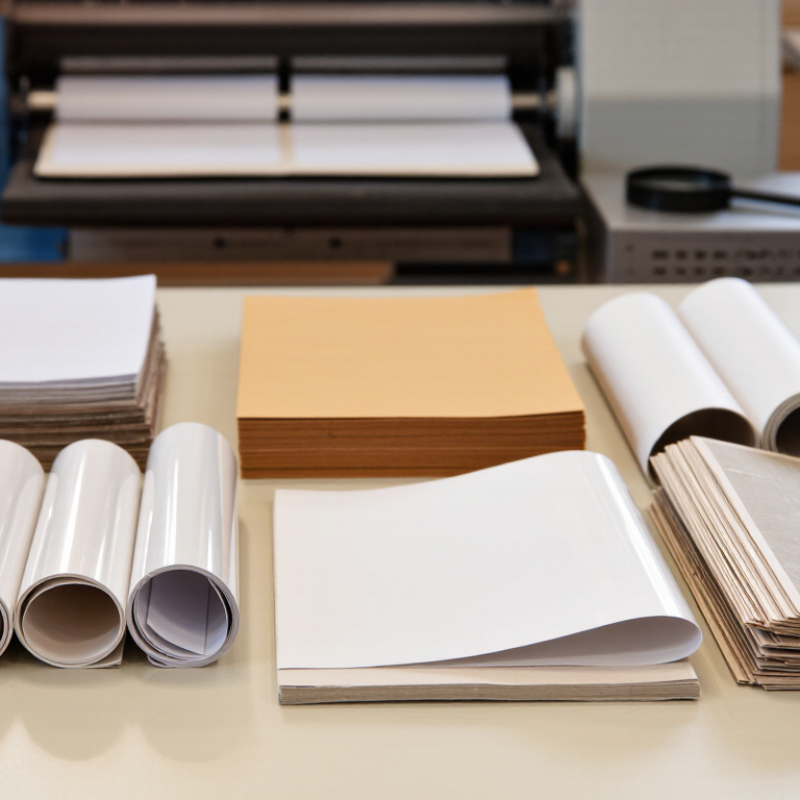
Common printing papers serve different purposes. Uncoated paper has a lightly textured surface that absorbs ink quickly. It works well for office documents, forms, and pages people need to write on. The feel is familiar. However, photographs may appear less vivid on it.

Coated paper has a smoother surface that helps printed images look sharper. Gloss-coated sheets make colors appear bright, so they often suit flyers and photo-heavy pages. Matte-coated paper reduces glare and gives text a calmer, less reflective finish. The difference is easy to see under a desk lamp. Still, a glossy finish can feel slippery when readers need to take notes.

Cardstock is thicker and sturdier than ordinary copy paper. It is useful for covers, invitations, and postcards, but check your printer’s supported paper weight first. Recycled paper can vary in shade and texture; some sheets look slightly gray or feel less smooth.

Newsprint is lightweight and economical, though it absorbs ink readily and is not ideal for crisp, long-lasting images. Paper weight, brightness, and finish all affect the result. A small test print helps, because specifications alone do not always predict how a page will feel.

How to Select Printing Paper for Different Uses

Choose printing paper by matching its weight, surface, and finish to the job. ISO 536:2019 specifies how paper grammage is measured in grams per square metre (g/m²). At 80 g/m², a standard A4 sheet weighs about 5 grams, making it suitable for everyday office printing. For flyers or menus that need to feel sturdier, consider roughly 120–200 g/m² stock, after checking your printer’s feed limits. Heavier is not always better.

Surface matters too. Uncoated paper absorbs ink and is easier to write on, so it works well for forms and handouts. Coated paper keeps ink nearer the surface, helping photographs and colour graphics look sharper. ISO 2470-1 measures blue-light reflectance, one factor related to paper brightness; it does not tell you whether a sheet will suit every image. Test a sample. A bright white sheet can make warm-toned photos look cooler than intended.

Tips: Check the printer manual for supported weights and finishes. Print one page before ordering a full carton. Look for banding, smudging, curled corners, and readable small text. If a sheet jams, the paper may be too heavy, too damp, or simply a poor match for the feed path. It happens.