2026 Top Thermal Papers for Global Buyers What to Choose
In the competitive world of printing and thermal solutions, choosing the right Thermal Papers is crucial for global buyers. The year 2026 presents a wide range of options, each with unique characteristics and applications. Thermal Papers have become essential for various industries, including retail, healthcare, and logistics, due to their efficiency and reliability.
With many choices available, understanding the features of different Thermal Papers is significant. Buyers must consider factors like durability, print quality, and cost-effectiveness. Some brands may promise high performance, yet their papers may not deliver in real-world scenarios. It’s essential to evaluate both brand reputation and consumer feedback when making a selection.
Navigating through this landscape of Thermal Papers can be overwhelming. Misleading marketing claims can lead to subpar choices. Buyers should prioritize informed decisions based on expert reviews and experiences. This guide aims to highlight the top Thermal Papers for 2026, focusing on quality and real-world performance, allowing buyers to make confident purchases.
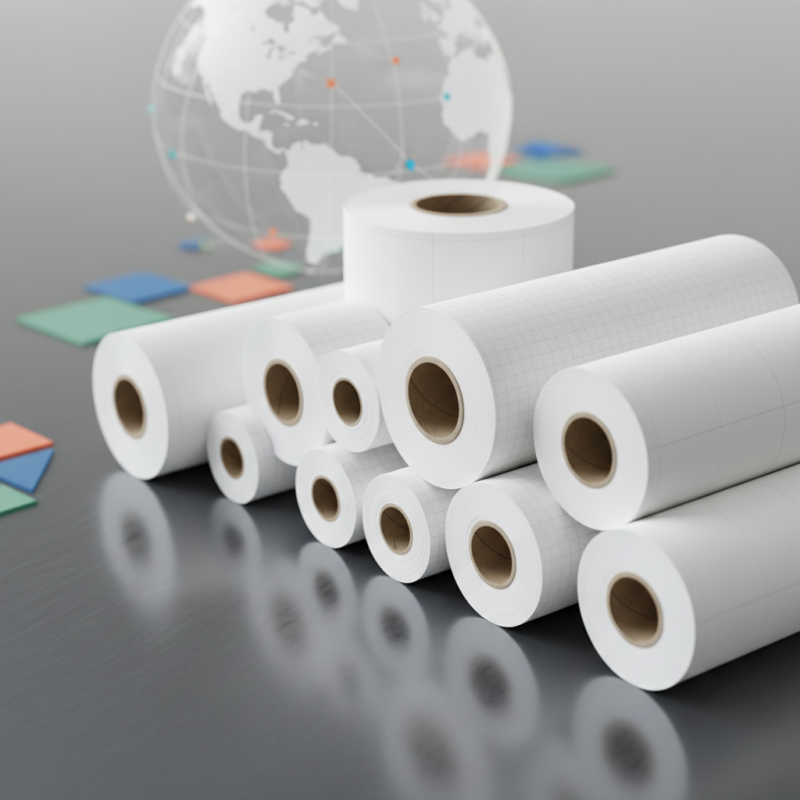
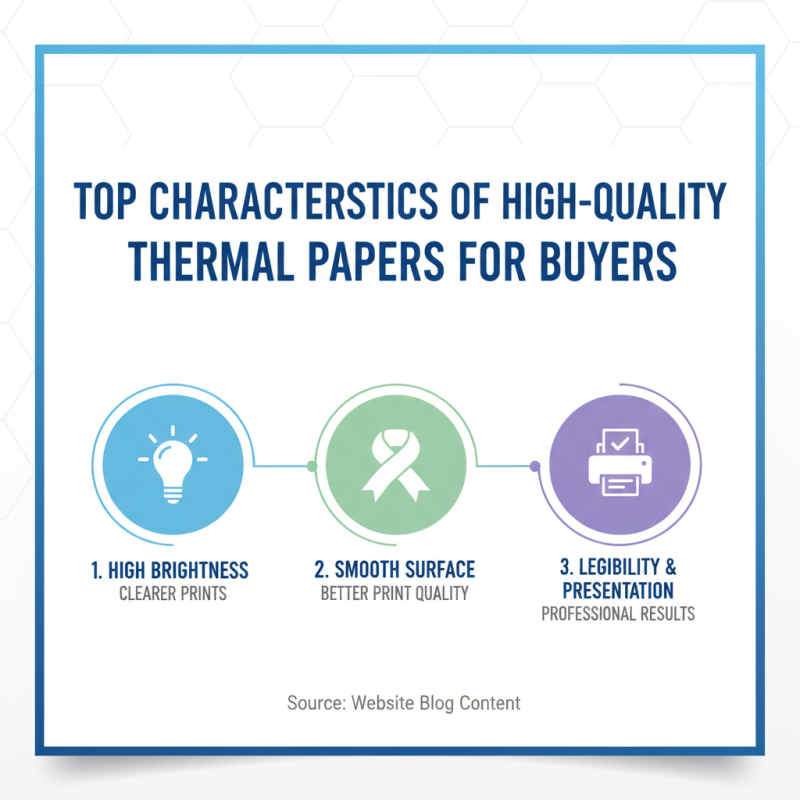
Top Characteristics of High-Quality Thermal Papers for Buyers
When selecting high-quality thermal papers, understanding their key characteristics is essential. Look for brightness levels. A high brightness ensures better print clarity. The smoother the surface, the better the print quality. This effect can significantly influence the overall presentation of receipts or labels.
Consider thermal paper's coating. A robust coating leads to long-lasting prints. Poor-quality coatings may result in fading or smudging over time. Buyers often overlook this. However, it can impact record-keeping and overall satisfaction. The paper should meet specific durability standards to withstand various conditions.
Thickness is another crucial aspect. Thicker paper often exhibits greater resistance to tearing. Yet, it should not compromise the feedability. Balance is key here. Some users might prefer a lighter paper for convenience. Test different types to find the most suitable one. Reliability should never be sacrificed for lighter weight. Aim for a product that meets all usability requirements.
Key Global Trends Influencing the Thermal Paper Market in 2026
The thermal paper market is expected to see significant changes by 2026. Key global trends are shaping buyer preferences and influencing production choices. The growth of e-commerce is driving demand for efficient printing solutions. In fact, a report from Smithers shows that the global thermal paper market value could exceed $4 billion by 2026. This expansion invites manufacturers to innovate continuously and integrate advanced technologies.
Sustainability is a rising concern. More consumers are prioritizing eco-friendly materials. According to a study published by the European Paper Industry, the market share for recycled thermal paper will likely increase by 15% in the next few years. Buyers are seeking options that minimize environmental impact. This is an area where many companies need to reflect, as the switch to greener alternatives requires careful planning and resource allocation.
Smart technology is another trend affecting the market. The integration of IoT and smart devices in retail spaces is changing how thermal paper is utilized. This technology allows for real-time monitoring of inventory and consumption patterns. However, not all businesses are prepared to adapt. Many still rely on outdated systems, risking inefficiencies. Addressing these gaps is crucial for staying competitive in the evolving thermal paper landscape.
Comparative Analysis of Popular Thermal Paper Brands and Types
When selecting thermal paper, buyers face a myriad of options. A comparative analysis of
popular brands reveals distinct differences in quality and application. Generally, high-quality thermal papers boast better
heat sensitivity, which enhances print clarity. According to industry reports, the thermal paper market is projected to grow
at a CAGR of 4.5% from 2021 to 2026. This growth is driven by the rise of point-of-sale systems.
Not all thermal paper types are created equal. For instance, some are treated for added durability, while others may be more
economical yet prone to fading. A common issue is that lower-quality papers may lead to print smudging and jamming in printers.
These factors can significantly impact business operations, especially in sectors reliant on efficiency.
Tips: Always check the thermal sensitivity rating before purchasing. Assess the longevity
of printed materials. Think about the environmental impact too; some papers are designed to be recyclable. Buyers should weigh
both cost and quality to avoid future printing complications. It’s crucial to invest in reliable
thermal paper that meets specific needs.
Factors to Consider When Selecting Thermal Papers for Specific Uses
Choosing the right thermal paper requires careful consideration. Different applications demand specific characteristics. For point-of-sale systems, paper durability is key. You might need a high-resolution print for receipts. In contrast, labels may require stronger adhesion and resistance to moisture. Sometimes, making a choice can be overwhelming.
Thickness and weight of the paper also impact performance. Thicker paper tends to provide better print contrast. Lightweight paper can save costs but might not hold up. Consider the environment where the paper will be used. Humidity and temperature can influence paper quality. A less durable option might deteriorate faster in harsh conditions.
Evaluate the end uses meticulously. Not all thermal papers are created equal. Some are designed for long-term archival. Others are suitable for short-term labeling. Each choice has its consequences. You'll want to inspect the print quality regularly. Ask yourself: is the chosen paper meeting the needs efficiently? Reflect on the experience. Balancing cost and quality can be challenging but essential.
Future Innovations in Thermal Paper Technology and Sustainability
The future of thermal paper technology is evolving rapidly, focusing on sustainability and innovation. Many manufacturers are exploring eco-friendly alternatives to traditional thermal paper. These new materials often use coatings that minimize harmful chemicals. Biodegradable options are starting to hit the market, appealing to environmentally conscious consumers. However, availability varies widely across regions, which poses a challenge for global buyers.
Innovative technologies are enhancing the performance of thermal papers. Heat-resistant coatings are being developed to improve durability and print quality. This presents opportunities for businesses in diverse sectors, from retail to logistics. Yet, the shift to more sustainable materials is not without hurdles. Some buyers worry about the cost implications and performance trade-offs. Ongoing research will be crucial in addressing these issues, as companies strive to balance functionality with environmental responsibility. Implementing these changes requires a reflective approach, considering both immediate benefits and long-term impacts.
2026 Top Thermal Papers for Global Buyers
| Paper Type |
Width (mm) |
Thickness (gsm) |
Coating Type |
Sustainability Feature |
Approx. Price (USD per roll) |
| Standard Thermal |
80 |
55 |
Single Coated |
Recyclable |
10 |
| High Sensitivity |
57 |
50 |
Double Coated |
Eco-friendly |
12 |
| Water Resistant |
80 |
60 |
Single Coated |
Biodegradable |
15 |
| Environmentally Friendly |
76 |
52 |
Thermal Top |
Sustainable sourcing |
11 |