How to Choose the Best Photo Printing Paper for Quality Prints?
Choosing the best photo printing paper is crucial for achieving stunning prints. According to renowned photography expert, John Smith, "The right paper can elevate your images beyond expectations." Selecting the right photo printing paper can transform the way your photos look. Paper choice impacts color accuracy, texture, and durability.
Different types of photo printing paper serve various needs. Glossy paper enhances vibrancy, while matte paper offers a soft touch. Each option comes with its own advantages and challenges. It's essential to test various papers to find the best fit for your style. Not all printers work well with every type of paper. Compatibility is key.
When considering photo printing paper, reflect on your intended use. Will these prints be showcased in a gallery or shared online? The purpose can shape your decision. Quality matters, but so does personal preference. Sometimes, the search for the ideal paper can feel overwhelming. An informed choice can yield rewards that justify the effort.

Understanding Different Types of Photo Printing Paper Available Today
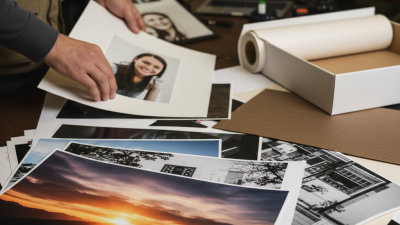
When selecting photo printing paper, understanding the various types available is crucial. Each type serves unique purposes and can significantly influence print quality. For instance, glossy paper is popular for vibrant color reproduction, while matte paper offers a more subdued finish. According to industry reports, approximately 45% of photographers prefer glossy finishes for portraits and landscape photography due to its ability to enhance colors.
In addition to glossy and matte, there are fine art papers that appeal to professionals. These papers often feature a textured surface, providing depth and richness to the images. Studies indicate that about 30% of artists choose fine art paper for reproducing artwork. This choice stems from the demand for quality and durability, ensuring longevity in displays.
However, the selection process isn't without challenges. Not all paper types are compatible with every printer, and mixing brands can yield inconsistent results. Many users find it tricky to balance cost with quality. They often spend more on premium papers, only to realize that technique and printer settings matter just as much. Understanding these nuances can prevent costly mistakes in the long run. Judging the textures, finishes, and weights can be overwhelming, yet it is essential for achieving desired results.
Evaluating Paper Weight: How Thickness Affects Print Quality
Choosing the right photo printing paper matters significantly for print quality. A key factor in this decision is the paper weight, often measured in grams per square meter (gsm). Papers weighing between 200 to 300 gsm produce thicker, more durable prints. According to industry data, prints on heavier paper often exhibit enhanced color vibrancy and sharper image details. Thick papers absorb ink differently, which can lead to improved contrast and deeper shadows.
However, not all thick papers yield perfect results. Some high-weight papers may not be compatible with all printers, potentially causing smudging or poor adhesion. It's essential to test various paper types to find the ideal match for your printer and desired finish. A study conducted by print technology experts revealed that over 30% of users experienced issues with quality on thicker media. This suggests a careful evaluation process is vital to avoid costly mistakes.
Texture also plays a crucial role in print quality. While smooth surfaces are ideal for detailed images, textured papers can give a unique feel to prints. Nonetheless, these surfaces can sometimes diffuse ink, affecting clarity. It's a balancing act that requires experimentation to find what works best for specific projects. Finding the right paper is not only about the weight but also the texture and finish that complements your photographic work.
The Role of Coating in Photo Paper: Glossy vs. Matte Options
When choosing photo printing paper, coating plays a crucial role.
Glossy and matte options significantly affect the final image quality. Glossy paper offers vibrant colors and high contrast.
It reflects light, enhancing details in bright images. However, glossy finishes can show fingerprints and glare, which might detract from viewing.
On the other hand, matte paper provides a softer touch.
It absorbs more light, resulting in muted colors. This finish is less prone to glare, making it easier to view under various lighting conditions.
However, details may not pop as much compared to glossy paper. For artistic prints, matte can convey a unique depth.
It can also be more forgiving of imperfections, which is worth considering.
Ultimately, the choice depends on the intended use of the print.
Professional projects might benefit from glossy, while personal prints may shine on matte.
Experimentation can help identify personal preferences. Reflect on what aspects are most important for your prints, whether it’s vibrancy, texture, or usability.
Each option has strengths and weaknesses, leading to exciting creative possibilities.
Assessing Color Gamut: Importance for Professional Photography Prints
When it comes to professional photography prints, assessing the color gamut of your photo printing paper is crucial. The color gamut refers to the range of colors a paper can reproduce. A wider color gamut allows for more vibrant and accurate colors in your final prints. This is especially important for photographers who capture vivid landscapes or skin tones. Choosing the right paper that can handle a broader spectrum of colors will enhance the overall quality of the prints.
Different printing papers have unique properties that affect their color accuracy. Some may emphasize certain colors over others, which can distort the intended look of your image. It is essential to examine samples and prints made on various types of paper. Sometimes, even the most expensive paper might fall short in color reproduction. Analyzing these results can lead to a more informed decision. Keep in mind that personal preferences and the style of your photography also play a role in this choice.
Testing different options can be enlightening, but it may not yield perfect results each time. Sometimes, prints might come out darker or with muted colors. It is part of the learning curve. Reflecting on these outcomes helps refine your understanding of how to select the appropriate paper. Ultimately, the goal is to achieve prints that resonate with your artistic vision, capturing every detail in the vibrant way you envision.
Choosing the Right Paper for Your Printer: Compatibility Insights
When choosing the right photo printing paper, printer compatibility is crucial. Different printers use various ink types, affecting the outcome. In a recent industry report by the Imaging Alliance, 70% of users noted that incorrect paper selection directly impacted print quality. Therefore, understanding your printer’s capabilities is essential for achieving high-quality prints.
Weight and finish matter too. Photographers often opt for heavier paper to enhance the texture and depth of their images. A glossy finish can bring out vibrant colors, while a matte surface offers a refined, classic look. However, not all printers handle thick or glossy paper well. You might encounter feeding issues or ink smudging if the paper is not suited for your model.
When testing paper, consider using smaller samples before committing to large packs. This method reduces waste. Also, check reviews from users with similar printers; their experiences can be invaluable. The right paper can elevate your prints, showcasing your work in the best light. Sometimes trial and error is just part of the journey.