How to Choose the Best Paper Thermal Printer for Your Business?
Choosing the right Paper Thermal Printer for your business can seem daunting. There are many factors to consider. Understanding your specific needs is crucial. Various features, such as print speed and resolution, can impact your work efficiency.
Quality is important when selecting a Thermal Printer. Reliable brands often deliver better performance. Researching user reviews will provide insights into their experiences. A printer is an investment that should enhance your business operations. You may wonder which features matter most.
Budget constraints are another challenge. It's tempting to choose lower-priced models, but watch out for hidden costs. Maintenance and supplies can add to expenses. Reflecting on these aspects can help you make a wise decision. Your choice should match your business demands effectively. Investing time in understanding your options will pay off in the long run.
Understanding Your Business Printing Needs
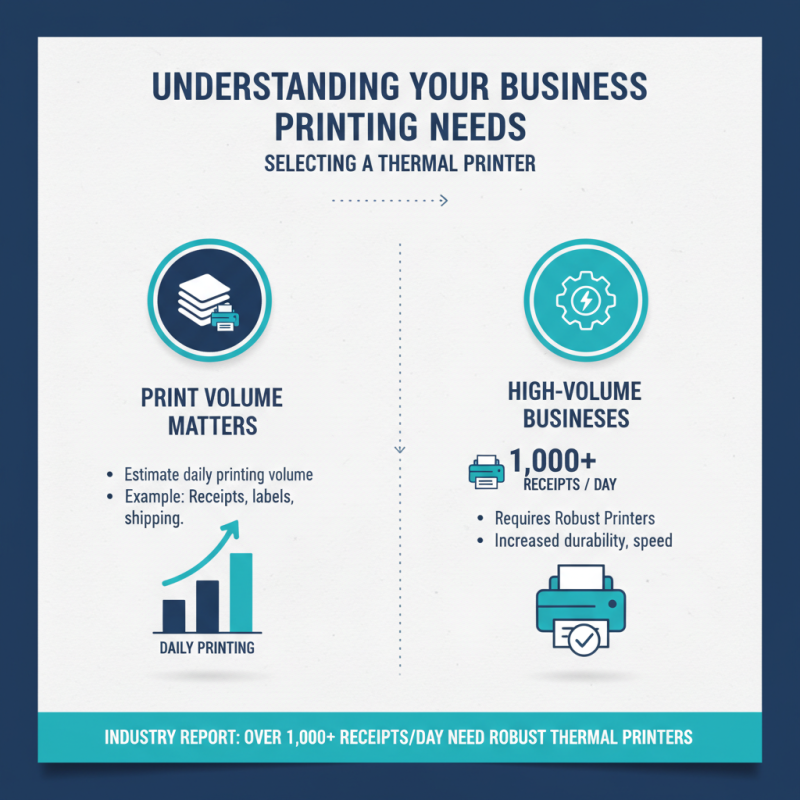
Understanding your business printing needs is essential when selecting a thermal printer. Consider the volume of printing you expect. According to a recent industry report, businesses printing over 1,000 receipts per day may require more robust thermal printers.
Identify the specific applications for which you'll use the printer. Will it print labels or receipts? Different uses demand different features. A report from the Business Technology Association states that specific printers can enhance operational efficiency by up to 30% in retail environments. Assessing your needs can lead to better productivity.
Consider the connectivity options available. Many businesses prefer wireless printing for flexibility. However, some report challenges with connectivity stability. Explore these factors closely. A printer should not only meet current needs but also adapt to future requirements. Understand that investing in the right thermal printer goes beyond initial costs; it's about long-term efficiency and reliability.
Key Features to Consider in Thermal Printers
When selecting a thermal printer, several key features deserve attention.
Print speed is crucial.
A fast printer can boost productivity in busy environments. Look for printers that can handle multiple tasks
without lag. This can make a noticeable difference during peak hours.
Connectivity options are another important factor. Modern businesses often require versatility.
USB, Bluetooth, and Wi-Fi connections increase flexibility. This allows for easy integration with existing systems.
Ensure compatibility with various devices like tablets and smartphones.
Durability should not be overlooked.
A sturdy printer can withstand daily wear and tear. Consider the materials used in construction. A robust design
often leads to fewer service interruptions. Finally, remember that cost-effectiveness matters.
Weigh the initial cost against long-term performance. Sometimes, the cheapest option may not be the most reliable.
Reflect on the total cost of ownership, including maintenance and supplies.
Comparing Different Types of Thermal Printers
When selecting a thermal printer, understanding the different types is essential. Direct thermal printers use heat-sensitive paper, making them ideal for short-term labeling. Their benefits include easy maintenance and lower upfront costs. However, the downside is that printed images can fade over time, which may not suit all business needs.
On the other hand, thermal transfer printers use ribbons, producing durable images that resist fading. They work well for labels requiring longevity. However, the initial investment is often higher, and they may demand more upkeep. Businesses must weigh these factors carefully based on their specific needs.
Portable thermal printers offer mobility, useful for on-the-go printing. Yet, they often sacrifice print quality for convenience. Choosing the right thermal printer involves balancing printing needs, costs, and desired quality. It's a decision that can greatly impact efficiency and operational costs. Each option presents its own challenges and advantages, making it essential to reflect on what best fits your business model.
Evaluating Cost vs. Performance in Thermal Printers
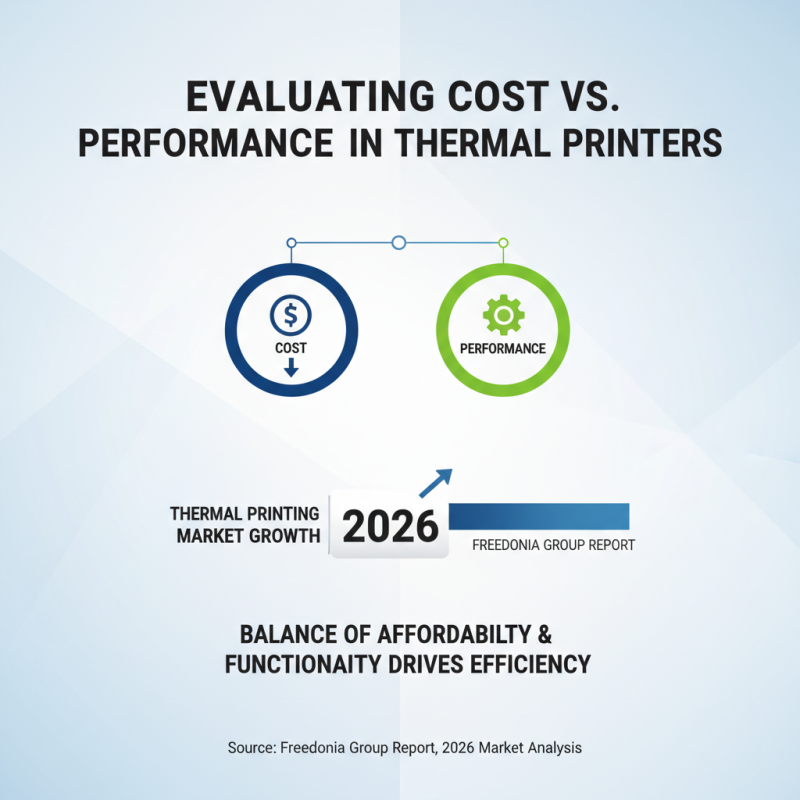
When evaluating thermal printers for business use, cost versus performance is crucial. According to a report from the **Freedonia Group**, the thermal printing market will grow significantly by 2026. The right balance between affordability and functionality can drive business efficiency.
Low-cost models might appear attractive. However, they often compromise on speed and durability. Businesses may face higher long-term costs due to frequent replacements and repairs. A survey from **TechNavio** indicates that investment in higher-end printers can lead to up to 30% savings in operational costs over time. This emphasizes the importance of a thorough evaluation.
Performance metrics like print speed and quality are vital. A printer that operates at 200mm per second provides better productivity than a slower model. The initial price tag may be higher, but the return on investment can be substantial. Furthermore, thought should be given to software compatibility. An inadequate system might hinder performance, leading to wasted resources and frustration. Balancing these factors requires careful examination of both immediate and future needs.
Reading Reviews and Recommendations for Thermal Printers
When selecting a thermal printer for your business, reading reviews and recommendations is key. Look for feedback from other users. Real-life experiences can guide your decision. Products with multiple positive reviews often indicate reliability. However, pay attention to any recurring complaints. A single bad review can be a fluke, but consistent issues should raise red flags.
Consider the specific needs of your business. Some industries require speed, while others prioritize print quality. Check review platforms for detailed assessments on these aspects. Look for independent reviews that focus on real-world performance. Ratings that just highlight features may not provide the full picture. Users often share insights about customer support and warranty experiences too.
Not every printer will meet your expectations. You might find a highly rated model that doesn't fit your workflow. Flexibility is crucial when comparing options. Take your time and weigh the pros and cons, including any negative feedback. Your choice could impact daily operations, so this step deserves careful consideration.