How to Choose the Right Book Paper for Your Printing Needs?
Choosing the right book paper is a critical decision for publishers and authors. The paper type influences print quality and durability. According to a report by Smithers Pira, nearly 60% of readers consider paper quality essential. Opting for unsuitable book paper can lead to dissatisfaction and increased costs.
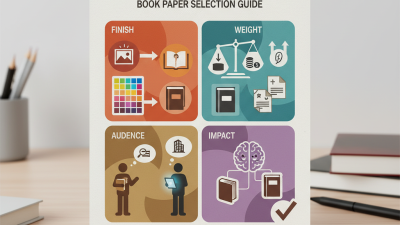
Different genres require specific paper characteristics. For instance, glossy paper enhances images and colors, while uncoated paper offers better readability for text-heavy books. A study from the Printing Industries of America shows that nearly 70% of professionals prioritize paper selection for project success.
However, budget constraints may affect choices. Cheaper paper can compromise the overall quality. This choice can reflect poorly on a brand's reputation. Understanding industry standards is crucial for informed decisions. Awareness of paper's impact on user experience must guide selections.
Understanding Different Types of Book Paper and Their Characteristics
Choosing the right book paper is crucial for any printing project. Different types of paper can significantly impact the final look and feel of a book. Coated paper, for instance, offers a glossy finish that enhances images and color reproduction. It is often used for art books or magazines. However, it may not be ideal for reading material, as it can reflect light and make text difficult to read.
Uncoated paper has a natural, matte texture. It is often used for novels and non-fiction. This type of paper absorbs ink better, offering a more comfortable reading experience. Yet, it may not provide the vibrancy needed for illustrations. Paper weights also vary. Standard weights range from 60 to 100 gsm. Heavier paper can add a feel of quality but may increase printing costs.
Understanding these characteristics is essential for making informed choices. Remember that each option has trade-offs. Factors like budget, desired aesthetics, and the book's purpose must all be considered. A well-thought-out decision will ultimately impact the reader's experience.
Evaluating Paper Weight and Thickness for Optimal Print Quality
When choosing the right book paper, evaluating weight and thickness is essential. The weight of the paper can influence not only the feel but also the print quality. Heavier papers often provide a more premium look. However, using too heavy a paper can lead to issues with binding and increased shipping costs.
Thickness also plays a crucial role. Thicker paper tends to be more opaque, reducing bleed-through, which is vital for double-sided printing. A thickness of 80-100 gsm is common for novels, while 120-150 gsm is better suited for art books. Yet, thicker doesn’t always mean better. It can affect flexibility and how well pages turn.
Understanding these nuances can be tricky. A balance between quality and practicality is necessary. Heavier paper can deliver vibrant colors, but might overwhelm the reader if it’s too rigid. Test samples can be invaluable. They show how ink interacts with different textures and weights. Ultimately, careful consideration of weight and thickness leads to more satisfactory results.
How to Choose the Right Book Paper for Your Printing Needs?
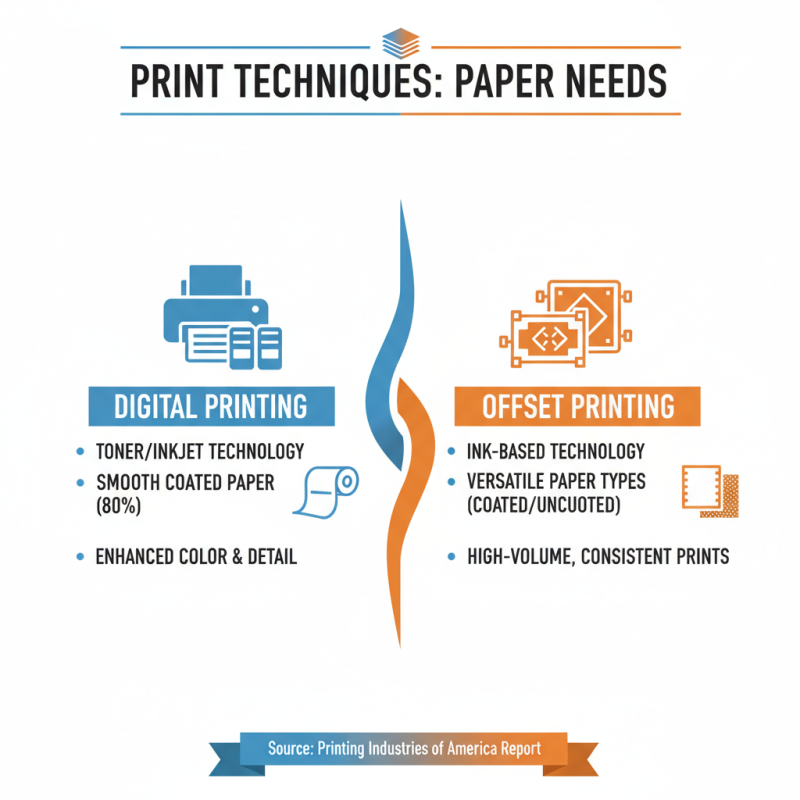
Considering Print Techniques: Digital vs. Offset Printing Paper Needs
When considering print techniques, it's essential to understand the differences in paper needs for digital and offset printing. Digital printing uses toner or inkjet technology, which requires specific types of paper with a smooth surface for optimal results. According to a recent report by Printing Industries of America, about 80% of digital printing projects are completed on coated paper. This type of paper enhances color vibrancy and detail, meeting the demands of modern consumers seeking high-quality prints.
In contrast, offset printing operates differently. It relies on a different method, often producing higher volumes at lower costs. Offset printing is best suited for uncoated papers, which absorb ink better. A study from the General Binding Corporation indicates that 70% of offset jobs utilize uncoated paper. This choice can affect the texture and appearance of printed materials. However, it's important to note that the choice of paper also depends on the desired finish and intended audience.
Choosing the right paper also involves some trial and error. Not every paper type will yield perfect results. Some projects may require adjustments in paper thickness or color. The beauty of print lies in its imperfections, as they can convey a unique character. Recognizing these variables helps in making informed decisions for future projects. Understanding the nature of your printing technique is crucial for optimal results.
Assessing the Environmental Impact of Book Paper Choices
When choosing paper for book printing, the environmental impact is crucial. A significant percentage of global deforestation is linked to paper production. According to the World Wildlife Fund, more than 35% of harvested trees are used for paper products. This alarming statistic underscores the need for greater awareness in our choices.
Recycled paper emerges as a robust alternative. It requires less energy and water to produce compared to virgin paper. The U.S. Environmental Protection Agency reports that producing one ton of recycled paper saves approximately 17 trees and conserves about 7,000 gallons of water. While the quality of recycled paper has improved, some still perceive it as inferior. This notion needs reconsideration as advancements in technology yield high-quality recycled options.
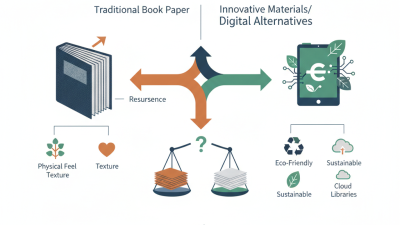
Biodegradable and sustainable materials are gaining traction in the industry. Research indicates that eco-friendly paper types can significantly reduce carbon emissions during their lifecycle. However, data from the Paperless Project reveals that paper consumption in the U.S. continues to rise annually. This trend raises questions about our commitment to sustainable practices. Choosing eco-friendly options is not just a trend; it’s an essential step toward preserving our forests and combating climate change.
How to Choose the Right Book Paper for Your Printing Needs? - Assessing the Environmental Impact of Book Paper Choices
| Paper Type |
Brightness |
Weight (gsm) |
Recycling Rate |
Environmental Certification |
| Uncoated Paper |
80-95 |
70-90 |
50% |
FSC Certified |
| Coated Paper |
90-120 |
115-200 |
30% |
PEFC Certified |
| Recycled Paper |
50-70 |
80-120 |
100% |
EU Ecolabel |
| Mechanical Paper |
60-80 |
70-100 |
40% |
None |
| Art Paper |
95-120 |
130-300 |
20% |
FSC Certified |
Budgeting for Paper Selection: Cost vs. Quality Balancing Strategies
Selecting the right paper for printing is more than just price. It requires critical thinking about your budget and the quality needed. Cheaper paper might save money initially. However, it can lead to issues like ink bleed or reduced durability. This can impact the overall appearance and feel of your printed material.
Finding balance is key. For example, you might opt for a mid-range option. This could offer a decent quality without straining your budget. Assess your project’s needs closely. If the printed material needs to reflect professionalism, investing in higher-quality paper is a wise choice. Think about the long-term effects of your decision. Sometimes, the higher upfront cost results in a better product.
Reflect on your priorities. Are you aiming for a premium look or just function? Knowing this can guide your choice effectively. Weighing cost against quality shouldn’t be an afterthought. Consider how each option fits your vision. Making a thorough assessment is essential for a successful printing project.