What Are the Best Printing Paper Types in 2026?
Choosing the best Printing Paper in 2026 is less about finding one perfect sheet and more about matching paper to the job. A glossy brochure needs a coated surface that holds crisp color; a handwritten invitation may feel warmer on textured, uncoated stock. For everyday reports, reliable bond paper often offers the right balance of readability, cost, and printer compatibility. “The best sheet is the one that fits the image, the press, and the purpose,” says paper scientist Richard Kerekes. Treat that as a useful guide, not a universal rule: equipment, ink, and personal preference can change the result.
Small details matter. Paper weight affects stiffness, while opacity helps prevent text showing through the reverse side. Brightness can make colors appear sharper, but it may also feel harsh on long reading pages. Grain direction can influence folding; run a finger along a sample, then fold it both ways. Feel the sheet. Recycled paper, cardstock, photo paper, and specialty stocks each serve different needs, and their performance varies by brand and printer. Check the printer’s supported weights and finishes before ordering a large quantity. A sample pack can reveal problems that a product description cannot. I would not choose by GSM alone; that shortcut overlooks coating, thickness, and surface feel. This guide compares the main paper types, their practical strengths, and the trade-offs worth checking before you print.
How Printing Paper Is Classified by Weight, Finish, and Opacity
Paper choice starts with three measurable traits: weight, finish, and opacity. Weight is usually listed in grams per square metre (gsm), which helps compare sheets consistently. A light 75–90 gsm sheet suits everyday documents, while heavier stock feels firmer for covers or handouts. Weight sets expectations. Yet gsm alone does not guarantee stiffness; fiber, coating, and moisture also affect how a sheet bends.
Finish changes both appearance and handling. Uncoated paper has a softer, more absorbent surface, so small text can look less crisp with heavy ink. Coated finishes, such as matte or gloss, keep details sharper and colors more vivid, but glare can hinder reading. Opacity also affects double-sided readability. It describes how much printing shows through from the other side. For duplex pages, higher opacity helps keep text and images from competing across the sheet. A quick test is to hold a sample near a window and inspect dark text on its reverse. Still, that test is imperfect; actual show-through depends on ink coverage, printer settings, and lighting.
The Main Types of Paper Used for Printing in 2026
What Are the Best Printing Paper Types in 2026?
The Main Types of Paper Used for Printing in 2026
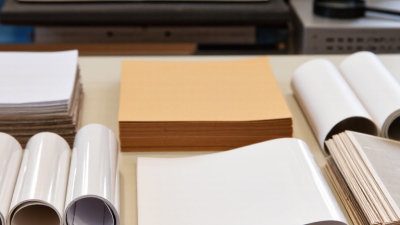
Choosing paper starts with the job, not a trend. Uncoated paper has a natural feel and absorbs ink, making it useful for notes, forms, and everyday documents. Coated paper has a smoother surface that helps photographs and color graphics look sharper. It can feel slick, though, and may not suit writing by hand. Cardstock is thicker and sturdier, so it works well for covers, invitations, and small signs. Recycled paper varies in shade and texture; check a sample before ordering a large quantity.
Tips: Match the paper to the printer and intended finish. Check the printer’s supported weight range, especially before feeding heavy cardstock. For photo-heavy pages, compare coated samples under ordinary room lighting. Small test sheets help. Also check whether both sides print cleanly if your project is double-sided.
There is no single best paper for every project. A bright white sheet can make colors appear crisp, but it may show fingerprints more easily than a softer, uncoated stock. Paper thickness affects how a page feels, yet thickness alone does not guarantee good results. Grain direction and printer settings matter too. These details are easy to overlook, and even a sensible choice may need adjustment after a test print.
How Paper Type Affects Print Quality and Appearance
What Are the Best Printing Paper Types in 2026?
Paper changes more than how a page feels. It affects contrast, color, detail, and even how quickly ink dries. Coated gloss paper reflects light sharply, making photographs appear vivid, though glare can tire the eyes. Silk or matte coatings soften reflections and suit brochures with dense text. Uncoated stock absorbs more ink, so small type may look slightly softer. That can be a feature, not a flaw.
Paper measurements help explain these differences. ISO 2470-1 reports brightness as a percentage of blue-light reflectance measured at 457 nanometres. ISO 2471 measures opacity as a percentage, indicating how much show-through a sheet resists. Higher brightness can make dark text appear crisp, but it may also make warm colors feel cooler. Higher opacity helps prevent text from the reverse side showing through. Numbers matter. Yet they do not replace a printed proof.
For everyday documents, uncoated paper often feels natural and stays easy to read. A heavier coated sheet can give product images cleaner edges and richer color. Recycled paper may vary in shade and surface, so the same file can print differently across batches. Check a physical sample under the lighting where readers will view it. A screen preview is useful, but not fully trustworthy. Even careful paper matching can miss the mark.
Choosing Printing Paper for Different Projects and Printers
Choosing paper starts with the job, not the shelf label. For school handouts or invoices, ordinary uncoated paper around 80–100 gsm usually feeds smoothly and keeps costs sensible. Small details matter. Check that the pack suits your printer, especially if it uses a narrow or rear paper path. A heavier sheet can feel more substantial, but it may curl or misfeed.
For photos, coated paper can hold fine detail and deeper color. Glossy finishes make bright images pop, while matte sheets reduce reflections under desk lamps. Match the paper to the printer’s ink system; some coatings are designed for specific printing methods. For reports or invitations, a heavier matte sheet can give text a clean, firm feel. If your printer supports duplex printing, check that the paper does not show too much ink through the reverse. It is easy to overlook.
Laser printers use heat to bond toner, so use paper rated for laser printing. Very textured or coated sheets may not handle that process well. Before printing a full batch, try one sheet and inspect the edges, color, and back side. I still sometimes choose a paper that looks right but feeds poorly. That small test can prevent a whole stack of wasted pages.
Sustainable and Specialty Paper Options to Consider in 2026
In 2026, a lower-impact printing choice starts with the job, not a sustainability label. Recycled uncoated paper suits flyers, instruction sheets, and everyday office documents; its softer shade can make colors look less bright. For vivid photography, responsibly sourced virgin fiber may offer more consistent results. The European Paper Recycling Council’s 2023 Monitoring Report put Europe’s paper recycling rate at 79.3%. AF&PA’s 2023 estimate placed U.S. paper recycling at 65–69%. These figures describe different regions and methods, but they show why collection and recycling systems matter.
Specialty options add useful texture and function. A lightly textured sheet can give invitations a tactile finish, while agricultural-residue paper can incorporate fibers from crop by-products. Recycled-content stocks also work well for many short-run brochures. Test a printed sample first. Shade, ink coverage, and fold behavior can surprise you. Some barrier coatings, laminates, or metallic finishes may complicate recovery, so ask the printer what local mills accept. “Recyclable” on a specification sheet does not guarantee access to collection.
Compare paper by weight, recycled content, fiber sourcing, and the waste created during production—not by appearance alone. A thinner sheet may reduce material use, but it can show ink through or feel flimsy. That trade-off deserves a real press test. For premium pieces, use specialty finishes selectively, and confirm whether the finished sheet remains recyclable in your area.
What Are the Best Printing Paper Types in 2026?
Typical basis weights for sustainable and specialty paper options
Basis weight is measured in grams per square metre (gsm). These examples represent common grades: actual weights vary by product and supplier. Recycled and agricultural-residue papers can suit everyday printing, while heavier cover and watercolor papers are designed for more specialized uses.