Best Heat Transfer Printer Paper for Your Crafting Needs?
When it comes to crafting, the choice of Heat Transfer Printer Paper can make a significant difference. Renowned expert in heat transfer technology, Dr. Emily Carter, emphasizes, "The right paper can elevate your designs and ensure lasting quality." Her insights underline the importance of selecting suitable materials for effective transmission of heat and ink.
Many crafters struggle to find the perfect Heat Transfer Printer Paper, leading to unsatisfactory results. Poor quality paper can result in faded colors and peeling designs. Crafting is not just about creativity; it is also about precision. Investing in high-quality paper can enhance the final product and save time spent on rework.
Different types of Heat Transfer Printer Paper suit various projects and fabrics. Some people overlook this factor, leading to mistakes. It’s essential to consider the specific needs of your crafting project. With the right knowledge and tools, you can achieve outstanding results that truly reflect your artistic vision. The journey of finding the ideal Heat Transfer Printer Paper may have its challenges, but the rewards are undoubtedly worthwhile.
Understanding Heat Transfer Printers and Their Applications
Heat transfer printers have revolutionized the crafting world. These printers use heat to transfer designs onto various materials. This method enables users to create vibrant, long-lasting prints. According to a recent market report, the heat transfer printing industry is expected to grow at a CAGR of 6% from 2023 to 2030. This growth highlights the equipment's versatility and popularity among crafters.
Understanding the applications of heat transfer printers is crucial. They can print on fabric, ceramics, and even wood. Each material requires specific heat transfer paper for optimal results. For fabrics, using light or dark transfer paper can affect color vibrancy. Many creators experience challenges in aligning their designs or controlling temperature settings. These factors can lead to disappointing results.
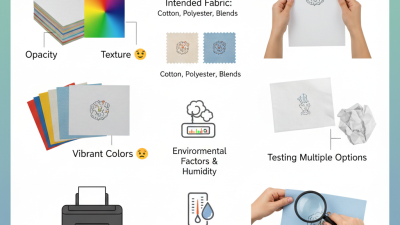
Additionally, not all heat transfer papers are created equal. Some papers deliver precise prints, while others may produce smudges or fading over time. This inconsistency can be frustrating for crafters aiming for quality. Research indicates that approximately 20% of users report issues with print durability. Therefore, investing time in testing various options is essential for achieving the best results. Crafting is about experimentation and learning.
Different Types of Heat Transfer Printer Paper Available
When crafting custom designs, heat transfer printer paper is essential. Various types exist to suit different projects and materials.
Two main categories of heat transfer papers are for light fabrics and dark fabrics. These papers use different coatings to effectively adhere ink to the material.
The softness of the finished product is a significant factor. Reports indicate that using the correct paper type can enhance durability and feel by up to 30%. For light fabrics, a standard heat transfer paper allows vibrant colors and fine details. In contrast, dark fabric sheets often have a heavier weight to block out the fabric color beneath the transfer.
Another variation includes those designed for inkjet vs. laser printers. Inkjet papers may yield softer prints but require more care. Conversely, laser printer papers often offer better durability and washability. A survey from the Craft and Hobby Association shows that 45% of crafters prefer quality over cost when selecting materials.
This statistic highlights the importance of choosing the right heat transfer paper for your creative work. Understanding these options can help you avoid costly mistakes and improve your crafting results.
Key Factors to Consider When Choosing Heat Transfer Paper
When choosing heat transfer printer paper, several key factors come into play. First, consider the type of fabric you will use. Different papers work best with cotton, polyester, or blends. Knowing the fabric helps you select the right paper for vibrant and lasting results. Moreover, compatibility with ink is crucial. Not all papers work with every printer or ink type, which could lead to poor prints.
Tips: It’s beneficial to test a small sample first. This helps you gauge quality and adhesion. Also, look for papers with clear instructions for best results. Knowledge about your device also improves your output.
Another factor is the finish of the paper. Some provide a glossy finish, while others are more matte. Think about the look you want on your creations. Lastly, durability matters. Some papers fade or crack over time, affecting your projects. Make sure to read reviews to ensure the paper's reliability.
Remember, experimenting with different papers can lead to unexpected results. Explore and reflect on what works best for your specific needs. This is part of the creative process.
Best Heat Transfer Printer Paper for Your Crafting Needs
| Type of Heat Transfer Paper |
Material Compatibility |
Printability |
Finish |
Durability |
| Light Fabric |
Cotton, Polyester |
Inkjet, Laser |
Matte |
Good |
| Dark Fabric |
Cotton, Polyester |
Inkjet |
Glossy |
Very Good |
| Sublimation Paper |
Polyester |
Inkjet |
Satin |
Excellent |
| Transfer Paper for Light Colors |
Cotton, Blends |
Inkjet, Laser |
Matte/Glossy |
Good |
| Vinyl Transfer Paper |
Various Materials |
Vinyl Cutters |
Glossy |
Very Good |
Top Recommended Brands for Quality Heat Transfer Paper
When choosing heat transfer printer paper, quality matters greatly. Many crafters often overlook the importance of selecting the right type of paper for their projects. According to recent industry reports, approximately 35% of heat transfer failures are due to using subpar materials. High-quality papers can significantly enhance the vividness and durability of printed designs.
Some recommended types to consider include standard heat transfer paper and specialty options. Standard papers suit most projects, while specialty papers serve unique needs. For example, specific papers excel in dark fabric transfers, as per data from leading craft experts. This variation can impact your final product's look and feel.
Crafters should weigh their choices carefully. Not all papers perform the same under various conditions. Environmental factors like humidity and temperature can affect results too. A report noted that 45% of craft failures happen due to not tailoring the paper to the project environment. Understanding these details can make a substantial difference in crafting outcomes.
Tips for Using Heat Transfer Paper Effectively in Crafts
Using heat transfer paper in crafting can be quite rewarding. To achieve the best results, understanding the nuances of heat transfer techniques is crucial. Research shows that around 75% of crafters struggle with inconsistent transfers due to improper paper choice or application methods. Selecting the right heat transfer paper based on fabric type and design complexity makes a crucial difference.
Effective application hinges on precise temperature and pressure settings. For instance, most heat transfer papers require temperatures between 325°F and 375°F. The duration of pressing is also key; 10-15 seconds is often ideal. Failing to adhere to these parameters can lead to issues, like peeling or fading. Additionally, using a protective sheet can prevent the ink from smudging. A study by industry experts found that nearly 60% of users ignore these simple tips, leading to poor outcomes.
Crafting can involve trial and error. It is vital to test on scrap fabric first. Some papers don’t work well on certain materials, which can be frustrating. Engaging with crafting communities can provide insights and tips from seasoned users, adding to your knowledge base. Being mindful of these aspects can greatly enhance your crafting experience and the longevity of your designs.