2026 Best Heat Transfer Printer Paper for Your Business Needs?
In recent years, the demand for quality Heat Transfer Printer Paper has surged. According to a report from Smithers Pira, the market for heat transfer printing is expected to reach $4.8 billion by 2026. This growth reflects an increasing reliance on customized printing solutions in various industries, including textiles and promotional products.
Expert Sarah Jenkins, a leading analyst in the printing materials sector, states, "The choice of heat transfer paper significantly impacts print quality and durability." This highlights the essential role that Heat Transfer Printer Paper plays in achieving successful print outcomes. Businesses must consider specific factors like coating type and compatibility with printers to make the right choice.
Despite the advancements in technology and material quality, choosing the best Heat Transfer Printer Paper can still be a daunting task. Some papers perform well but fall short on durability. Others may offer vibrant colors but are not printer-friendly. These inconsistencies can lead to frustrating outcomes for businesses aiming for excellence.
Understanding Heat Transfer Printers and Their Applications
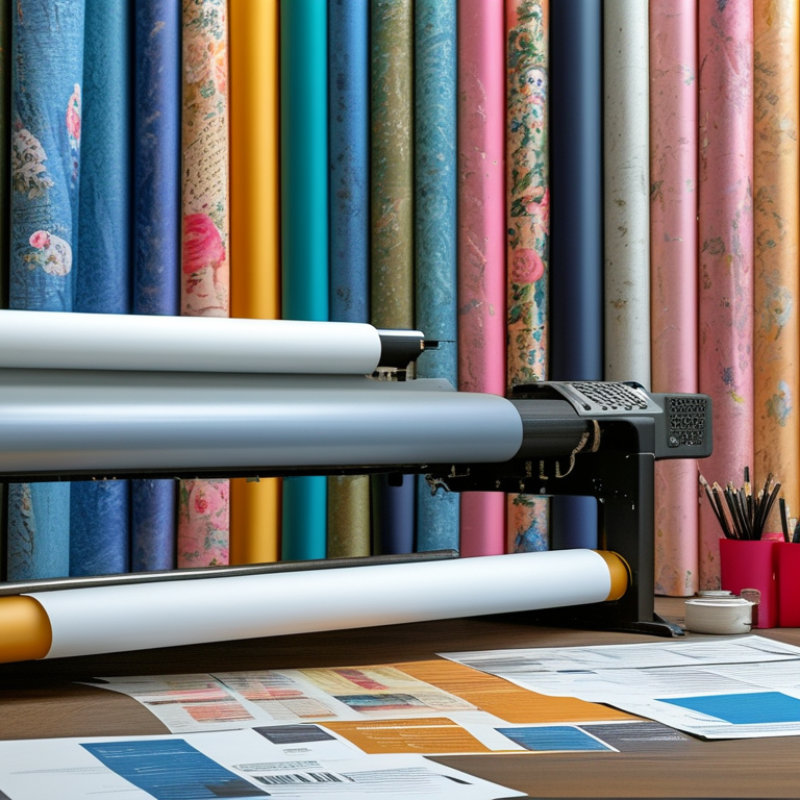
Heat transfer printers offer a unique method for transferring images onto various materials. They use heat and pressure to apply ink, making them popular for customized apparel, promotional items, and more. The versatility of these printers allows businesses to create vibrant designs on fabrics, plastics, and even ceramics.
Understanding the applications of heat transfer printers is essential for optimizing business needs. These printers can handle different media types, yet not every material yields great results. Some fabrics, like polyester, work well, while others may not. It’s crucial to test your specific substrates for optimal performance. You may find that certain colors or designs do not transfer as expected. This can lead to wasted materials and time.
Moreover, the quality of the heat transfer paper significantly affects the final product. Not all heat transfer papers are created equal. Some papers may not adhere properly, while others can leave residues. Keeping these factors in mind can lead to better outcomes. Regularly reviewing your processes and materials can help improve efficiency and quality over time.
Types of Heat Transfer Printer Papers Available in 2026
In 2026, businesses can choose from various types of heat transfer printer papers. Each type serves different needs. Choosing the right paper ensures the vibrant transfer of images onto fabrics. There are two main categories: light and dark transfer papers. Light transfer papers work well on white or light-colored fabrics. They allow for bright colors and detailed designs. Dark transfer papers, on the other hand, are ideal for darker fabrics. They enable prints to stand out, creating high contrast.
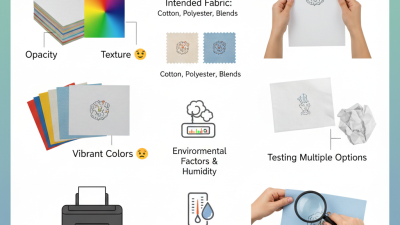
When selecting heat transfer papers, consider the fabric type. Cotton and polyester respond differently to heat. Cotton absorbs ink better, while polyester is more durable. Testing different papers can be beneficial. Occasionally, a paper may not adhere properly. This could lead to peeling or fading over time. Regularly revisiting your paper choice can enhance your results. It’s essential to balance quality and cost. Investing in better paper can yield more professional results. However, lower-cost options may suffice for casual projects. A thoughtful approach to your heat transfer needs will lead to better outcomes.
Key Factors to Consider When Choosing Heat Transfer Paper
Choosing the right heat transfer printer paper is essential for your business. The material can affect print quality, durability, and cost-effectiveness. A recent report indicates that around 70% of businesses prioritize quality over price when selecting transfer paper. This shows the importance of performance factors.
Consider the weight of the paper. Heavier papers often provide better ink absorption. This enhances color vibrancy. Additionally, the finish matters. Glossy finishes might yield brighter colors, while matte provides a subdued look. Data shows that 60% of consumers prefer products with vibrant designs. Therefore, examining the finish can influence customer satisfaction.
Another critical factor is compatibility with your printer. Not all papers work well with all printers. Incompatibility may lead to print failures. A study indicated that 45% of users experience issues related to paper type. This highlights the need for thorough research. Potential users should also consult reviews for firsthand experiences. Balancing these factors will help you find the best heat transfer paper for your needs.
Top 5 Heat Transfer Printer Papers for Business Needs in 2026
When considering the best heat transfer printer papers for your business in 2026, it’s essential to focus on the specific needs of your projects. The first paper type to explore is light transfer paper. This is ideal for designs printed on light-colored fabrics. It offers vibrant colors and sharp detail, but sometimes it does not withstand multiple washes.
Next, dark transfer paper is another crucial option. It’s tailored for darker fabrics and provides excellent opacity. However, the application process can be tricky, leading to issues like uneven heat distribution. Proper testing is vital to ensure the best results for your designs.
Lastly, specialty papers designed for unique applications deserve attention. These can include options for stretchy fabrics or even materials like ceramics. The versatility can open new avenues for your business. Just be aware that achieving consistent results may require experimentation and adjustments to your technique. Balancing these factors can significantly impact your final product quality.
Tips for Maximizing the Quality of Transfers Using the Right Paper
Choosing the right heat transfer printer paper is crucial for
high-quality results. The texture, weight,
and coating of the paper can significantly affect the final transfer. For vibrant prints, a smooth paper
is usually best. This type allows for better ink absorption and color retention. However, thicker papers
can sometimes produce more durable transfers. The challenge lies in finding the perfect balance between
weight and finish.
Experimentation is key to discovering what works best for your specific projects. It is wise to conduct
tests with different types of paper. This can help identify any flaws in the transfer process. Sometimes
colors may not appear as expected, or the details may blur. Learning from these results enables you to
refine your approach over time.
Additionally, proper printer settings play a vital role. Adjust the temperature and pressure based on
the paper you choose. Too much heat can lead to scorching, while
insufficient heat might result in incomplete transfers. Monitoring these variables allows for adjustments.
It is essential to remain open to changing your methods. Each trial represents a step toward
enhancing the quality of your work.