How to Use Receipt Rolls for Efficient Business Transactions?
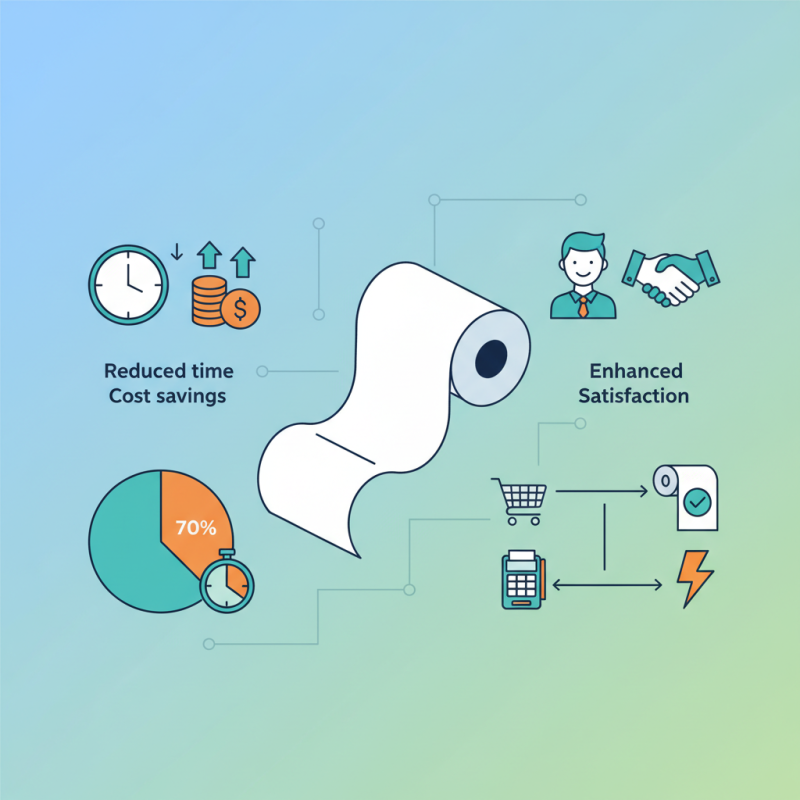
In the fast-paced world of business transactions, efficiency is crucial. The use of receipt rolls can significantly enhance this process. Industry data shows that businesses using quality receipt rolls can reduce transaction time by up to 30%. According to James Reed, an expert in point-of-sale technology, "Efficient billing tools like receipt rolls enhance customer satisfaction and speed up service."
Incorporating receipt rolls into your operations can streamline processes. Various industries, from retail to restaurants, benefit from these tools. Yet, many businesses still rely on outdated methods, missing out on improved efficiency. A survey revealed that 45% of small businesses report delays due to inadequate billing solutions, underscoring the need for change.
Despite their benefits, some companies hesitate to adopt receipt rolls. Concerns over cost and implementation time linger. However, businesses that embrace these tools see a return on investment within months. This reality prompts the question: are you ready to enhance your transactions with receipt rolls?
Understanding Receipt Rolls and Their Importance in Business
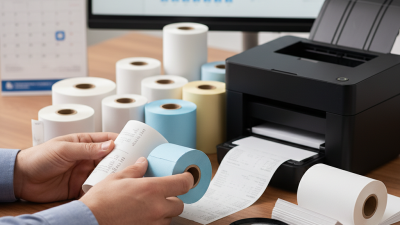
Receipt rolls play a crucial role in business transactions. They are used in various industries, from retail to food service. According to a report by the National Retail Federation, efficient transaction processes can boost sales by up to 15%. This highlights the importance of quality receipt rolls in facilitating smooth payment experiences.
Moreover, data from industry studies reveal that 75% of customers prefer receiving printed receipts. This preference underscores the necessity of maintaining an adequate supply of receipt rolls. Businesses often overlook the impact of receipt quality. Sometimes, faded or poorly printed receipts can lead to confusion and customer dissatisfaction. This can damage trust in the brand. Attention to details like printer settings is essential to avoid these pitfalls.
The choice of receipt roll material matters as well. Research indicates that thermal paper, commonly used for receipt rolls, has a shelf life of about 5 years when stored properly. However, exposure to heat can reduce this lifespan significantly. Many businesses fail to consider these factors. Understanding the implications of receipt roll management is vital for ensuring efficient operations and maintaining customer satisfaction.
Types of Receipt Rolls and Their Suitable Applications
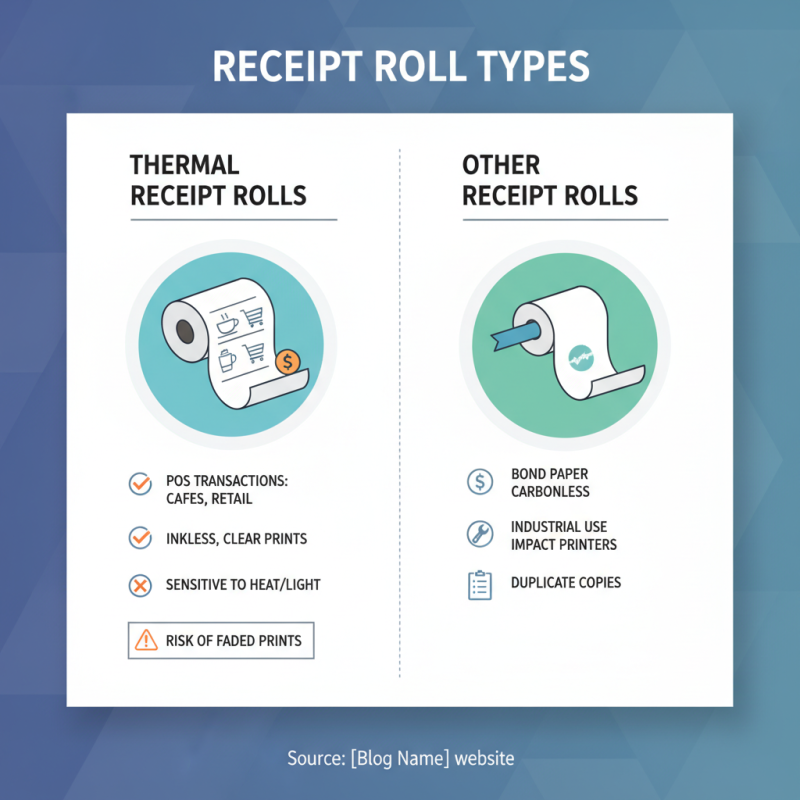
Receipt rolls come in various types, each designed for specific applications. Thermal receipt rolls are popular for point-of-sale transactions. They provide clear prints without the need for ink. This makes them ideal for environments like cafes or retail stores. However, their sensitivity to heat and light can be a concern. A poorly stored roll may result in faded prints, leading to customer disputes.
Another type is multi-layer carbon receipt rolls. These rolls create duplicates, which can be useful for record-keeping. Businesses that require keeping a copy for themselves benefit from this. A restaurant, for example, can use a carbon receipt roll for both customer and kitchen copies. It's vital to ensure that the carbon layer remains intact; otherwise, it can lead to confusion.
Finally, there are plain paper rolls. These are versatile and can be used for various transactions. They can be printed on using a standard printer. However, they lack the durability of thermal rolls. This may lead to wear and fading over time. When selecting the right type, businesses must weigh durability against convenience. Each has its unique strengths and weaknesses.
Best Practices for Utilizing Receipt Rolls in Transactions
Using receipt rolls effectively can greatly enhance business transactions. To begin, ensure that your receipt rolls are compatible with your point-of-sale systems. This compatibility enables seamless printing and reduces the risk of errors. It is wise to stock various sizes of rolls to accommodate different transaction types. A consistent supply can guarantee that you never run out during peak hours.
While printing, focus on clarity. The text should be legible, and essential details must be prominently displayed. Consider using a high-contrast design for better readability. However, it's easy to overlook this aspect in a rush. Regularly check your printer settings to avoid low-quality prints. Lastly, train your staff to handle receipts properly. They should know how to issue, store, and even dispose of them securely. These practices may seem trivial, but they significantly impact customer trust and overall efficiency.
Streamlining Transaction Processes with Receipt Roll Systems
Receipt roll systems can greatly enhance business transaction efficiency.
These systems simplify the process of recording sales. Using high-quality receipt rolls
ensures clarity and reduces errors during transactions. A well-designed receipt not only provides essential details but also helps in
building customer trust. The tactile experience of handling paper adds a personal touch.
Incorporating receipt rolls can streamline operations. Employees can easily access and print receipts quickly. However, it's vital to
maintain the rolls correctly to avoid jams. It’s frustrating when paper runs out unexpectedly.
Implementing regular checks can prevent delays. Additionally, training staff on these systems is crucial. Even a minor error can lead to
confusion, impacting customer satisfaction.
Businesses should also consider the environmental impact of receipt rolls. Using
eco-friendly materials is important. Customers appreciate sustainability efforts.
In the end, while receipt rolls enhance efficiency, there are challenges to navigate. Balancing speed, accuracy, and sustainability
is key for long-term success.
Maintaining Inventory and Managing Costs with Receipt Rolls
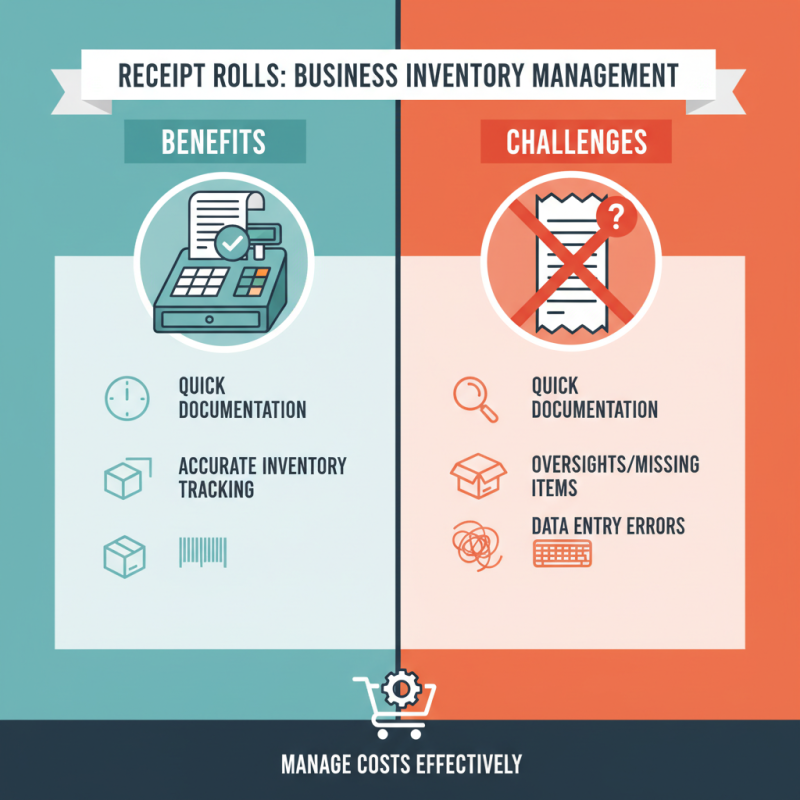
Receipt rolls are essential for businesses that aim to maintain inventory and manage costs effectively. Using these rolls in transactions allows for quick documentation. When items are sold, the receipts help record what has been purchased, ensuring accurate inventory management. However, relying solely on receipt rolls can lead to oversights. Some items may be missed or entered incorrectly, causing discrepancies in inventory counts.
In addition to tracking sales, receipt rolls provide insights into spending. Businesses can analyze receipts to understand purchasing trends. This helps in managing costs better. But, it's easy to overlook details in receipts. Sometimes, expenses may appear lower than they actually are. Regular audits of receipt data can help identify these issues.
Utilizing receipt rolls effectively means creating a routine around them. Store them systematically for easy access and review. Yet, it's important to be cautious. Employees may not always record every sale correctly. Maintaining a checklist for receipt management can improve accuracy. This proactive approach leads to fewer mistakes and tighter control over inventory.