2026 Top Types of Printing Paper for Every Need and Project?
In the world of printing, choosing the right type of printing paper is essential for achieving desired results. Each project has unique requirements, making it crucial to select paper that complements your specific needs. Quality printing paper ensures clarity and vibrancy in colors. It can significantly impact the final outcome of your work.
Various types of printing paper are available on the market. They range from glossy photo paper to sturdy cardstock. Each paper type serves different purposes, from professional marketing materials to personal projects. Understanding these options enhances your ability to make informed decisions. It is important to match the paper type with the intended use.
While many may overlook the significance of printing paper, it plays a vital role in presentation. Poor paper choices can lead to disappointing results. Consider factors like texture, weight, and finish. Selecting the right printing paper can elevate the overall quality of your project. Reflecting on past experiences can guide you to better choices in the future.
Essential Factors to Consider When Choosing Printing Paper
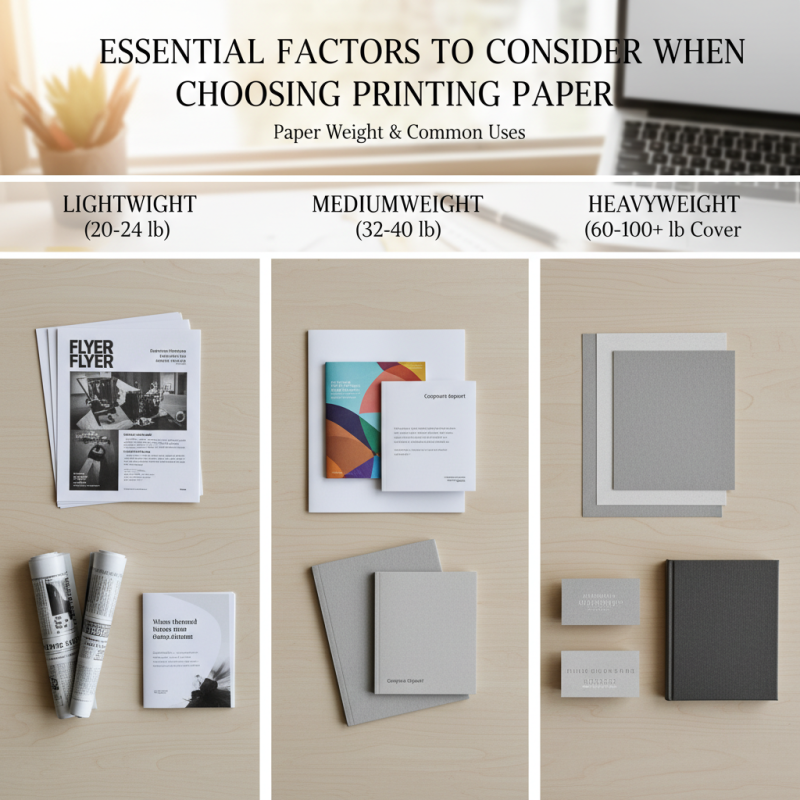
Choosing the right printing paper can significantly influence the outcome of your projects. Several factors should come into play when making your selection. Consider the paper weight. Heavier weights often provide a more professional feel. Lighter weights may be more cost-effective but might lack durability. From flyers to brochures, each project demands specific paper characteristics for optimal results.
Surface finish is another vital consideration. Glossy finishes enhance color vibrancy, while matte finishes offer a more subdued look. The absorption rate is equally important. Some papers absorb ink rapidly, which may lead to smudging or fading. Others may take longer to dry, potentially affecting print quality. Reflecting on your needs is essential in making the right choice.
Don’t overlook environmental factors. Sustainable printing papers are increasingly available. They offer a way to minimize your ecological footprint. However, these options can sometimes be more expensive. Weighing quality versus cost can be challenging. Understanding your project’s requirements and timeline will guide you in finding the perfect paper type.
Popular Types of Printing Paper for Everyday Use
When it comes to everyday printing needs, selecting the right paper type can make a significant difference.
Standard printer paper, typically 20 lb, is the go-to choice for most home and office settings.
It provides a satisfactory balance of thickness, durability, and cost, making it ideal for documents, letters, and reports.
However, not all projects are the same. For presentations or promotional materials, a glossy paper can enhance colors and provide a professional finish.
According to industry data, 70% of consumers prefer printed materials that stand out visually.
Glossy finishes help achieve that, especially for designs featuring images or vibrant graphics. Additionally, resume paper, often heavier and with a more textured finish, conveys professionalism.
This type of paper can increase the chances of making a good first impression.
Noticing these subtleties in paper selection can greatly impact your printing outcome.
Problems arise when we overlook paper quality, resulting in smudged prints or poor readability.
A survey noted that 15% of users have faced issues due to using the wrong paper type.
Consequently, acknowledging the needs of each project is crucial. Understanding paper characteristics paves the way for better printing experiences.
Specialty Printing Papers for Creative Projects
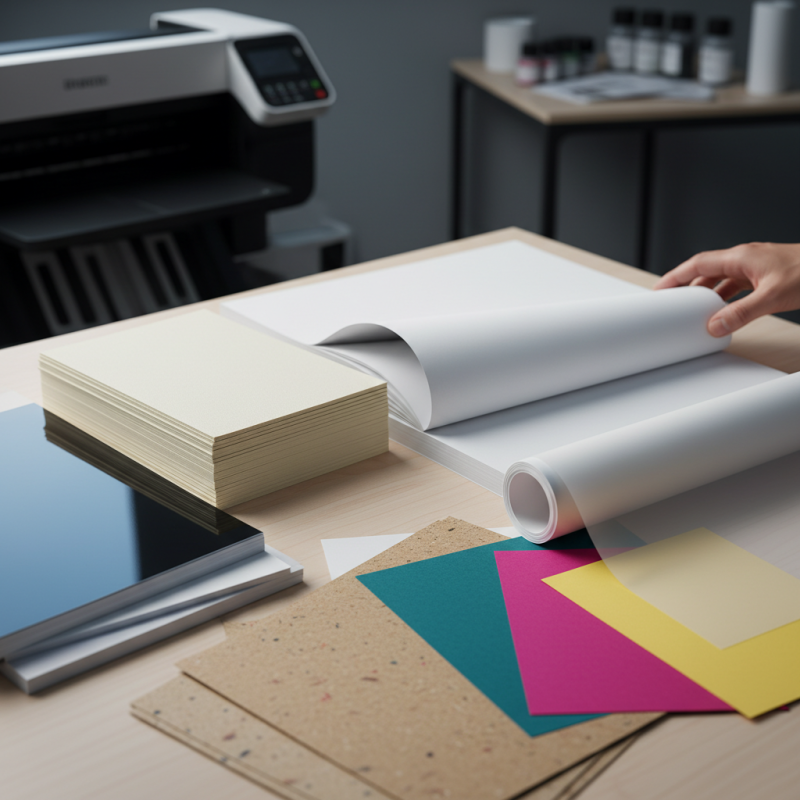
When embarking on creative projects, the choice of specialty printing papers can greatly influence the final outcome. From textured finishes to unique colors, specialty papers can add a distinctive touch. For instance, a thick cardstock offers durability for invitations, while translucent vellum creates an ethereal effect for overlays. These options can enhance the visual appeal and add an unexpected twist to traditional designs.
Different projects require different qualities. Eco-friendly papers are becoming popular, appealing to environmentally-conscious creators. They provide a rustic charm yet retain color vibrancy. However, they may be less forgiving with certain inks, sometimes leading to unsatisfactory results. Experimentation can help identify the best combination.
Moreover, photographic paper is essential for those looking to print high-resolution images. The glossy finish captures details beautifully. Yet, this type can show fingerprints easily and may require extra care. Understanding the specific properties of each paper type leads to better project outcomes. With thoughtful selection, the right specialty papers can transform a simple idea into an unforgettable creation.
Eco-Friendly Printing Paper Options for Sustainable Printing
Eco-friendly printing paper options are increasingly vital in our quest for sustainable solutions. The paper industry is one of the largest consumers of natural resources. In fact, it accounts for around 26% of global wood consumption. Transitioning to eco-friendly alternatives can significantly alleviate this pressure. Recycled paper, for instance, can reduce energy usage by up to 60% compared to virgin paper. This data highlights the potential benefits of embracing sustainable practices in printing.
Biodegradable papers are gaining traction as well. These papers are created from natural fibers and are designed to break down over time. Using such options can lower your carbon footprint. According to the Environmental Paper Network, promoting greener choices can lead to a reduction of up to 70% in greenhouse gas emissions over traditional paper. This change is often overlooked, yet it presents a crucial opportunity for both businesses and individuals.
It is important to acknowledge that not all eco-friendly options are the same. Some may still rely on harmful chemicals during production. Choosing certified products is essential. Those with environmental certifications ensure a more responsible process. The journey to sustainability in printing is complex and requires diligent research. Awareness and informed choices lead to lasting impact.
2026 Top Types of Printing Paper for Every Need and Project
Tips for Storing and Maintaining Printing Paper Quality
When it comes to storing and maintaining printing paper quality, proper handling is crucial. Keep paper in a cool, dry place. Humidity can warp and damage the sheets. A well-ventilated area will help prevent moisture buildup. Avoid direct sunlight, which can fade colors and weaken the fibers.
Using a dedicated shelf or container is beneficial. Ensure that the paper is stacked flat to avoid bending. If you have different types of paper, keep them separated. This prevents unwanted mixing and ensures you can find what you need quickly. Regularly check the storage environment for any signs of wear or damage.
Occasionally, reassess your paper supply. Discard any sheets that have become wrinkled or stained. These imperfections can ruin your projects. Also, remember to handle your paper with clean hands. Oil and dirt from fingers can leave marks that mar the surface. Just a few simple steps can significantly extend the life of your printing paper.