What is Thermal Printing Paper and How Does It Work?
Thermal Printing Paper is a specialized material utilized in thermal printing technology. This type of paper is coated with a heat-sensitive chemical. When exposed to heat, it changes color, creating clear and readable images or text. This efficient method has become popular in various industries, such as retail and logistics.
Understanding how Thermal Printing Paper works is crucial. Its simplicity contributes to its reliability. The thermal printing process is often faster and quieter compared to traditional printing methods. However, not all thermal papers are created equal. Some may fade over time or react poorly to environmental conditions.
The benefits of using Thermal Printing Paper include cost-effectiveness and ease of use. Yet, users should be mindful of the limitations. Factors such as storage conditions and ink longevity can impact printed results. Ultimately, recognizing these aspects will help users make informed choices for their printing needs.
What is Thermal Printing Paper?
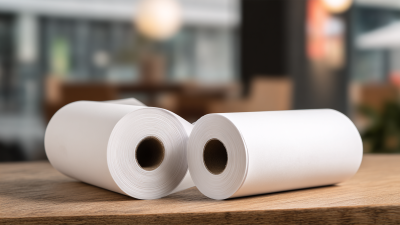
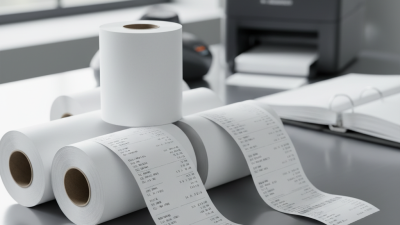
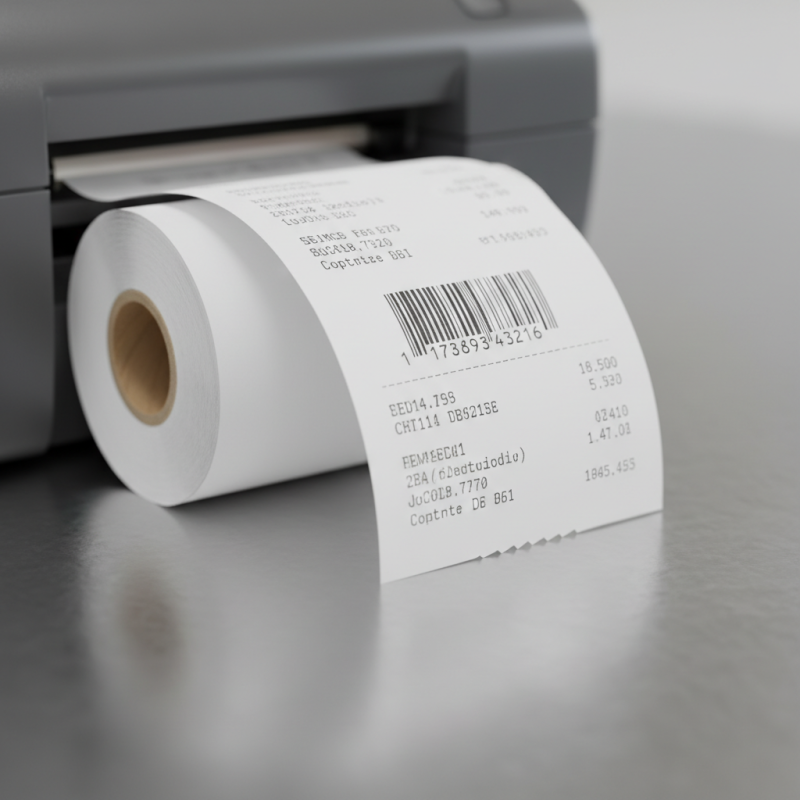
Thermal printing paper is a type of paper that uses heat to produce images and text. It is coated with a special chemical layer that reacts to heat. When the print head applies heat, the coating turns dark, forming the desired print. This method is widely used for receipts, labels, and tickets due to its efficiency and speed.
One tip to consider is storage. Keep thermal paper in a cool, dry place. Excess humidity or heat can damage the paper. Another tip is to avoid direct sunlight. UV exposure can fade the print or make it illegible over time. Handling thermal paper with care is also essential. Oils and dirt from hands can compromise print quality.
While thermal printing has its advantages, it isn’t perfect. The prints may fade over time. That's part of the reflection point. Consider how important print longevity is for your needs. In some cases, standard inkjet or laser printers might be a better choice. Always weigh the pros and cons based on your specific requirements.
What is Thermal Printing Paper and How Does It Work?
| Property |
Description |
Uses |
Advantages |
Disadvantages |
| Composition |
Made of thermal sensitive material that darkens when heated. |
Widely used for receipts, labels, and tickets. |
No ink or toner required; high print speed. |
Sensitive to heat and light; limited shelf life. |
| Printing Method |
Uses a thermal print head that selectively heats areas of the paper. |
Common in point of sale systems and shipping labels. |
Produces high quality, smudge-proof prints. |
Not suitable for long-term archival storage. |
| Types |
Includes direct thermal, thermal transfer, and coated types. |
Used in kiosks, ATM receipts, and more. |
Environmentally friendly options are available. |
Some types may require specific printers. |
| Storage Conditions |
Should be stored in cool, dry places away from direct sunlight. |
Ideal for locations with high volume printing. |
Low maintenance and replacement cost. |
Can degrade over time without proper storage. |
The Composition of Thermal Printing Paper
Thermal printing paper is a specialized medium used for thermal printers. The core composition includes a substrate, a heat-sensitive coating, and an optional protective layer. The substrate is usually made of a high-quality paper, providing durability and a smooth surface for printing. The heat-sensitive coating contains chemicals that react to heat. This combination ensures images and text appear clearly when thermal printing occurs.
When the printer applies heat, it activates the special coating. The points where heat is applied turn dark, creating visible prints. It's a simple yet efficient process, lacking ink or ribbons. However, the longevity of printed images can vary. Exposure to sunlight and heat may fade the printed text over time. Users should consider storage conditions carefully.
Tip: Always store thermal paper in a cool, dry place to maintain print quality. Also, avoid contact with solvents that can damage the coating.
Choosing the right thermal paper is crucial. The weight and thickness can affect performance. Not all printers accept the same type of thermal paper. Be aware of differences when purchasing. Improper paper can lead to feed issues or print defects. Adjusting settings may be necessary for optimal results.
Tip: Test different types of thermal paper with your printer. Small adjustments can lead to better outcomes.
How Thermal Printing Technology Works
Thermal printing technology operates on a straightforward principle. It uses heat to produce an image on thermal paper. The paper is coated with a special heat-sensitive layer. When heated, this layer darkens to create text or images.
Data shows that thermal printers are widely used in various industries. According to a report by Smithers Pira, the global thermal printing market is expected to reach $8.2 billion by 2026. This growth highlights the technology's efficiency and cost-effectiveness. Many retailers prefer thermal printing for receipt generation due to its speed and low operational costs. However, thermal printed images can fade over time, especially if exposed to heat or sunlight.
Tips: Regularly check your printer's conditions. Ensure that the rollers are clean for optimal performance. Use high-quality thermal paper to enhance print durability. Be cautious in storing printed materials, especially in bright environments, to avoid fading. Remember, proper handling can make a significant difference.
Applications of Thermal Printing Paper
Thermal printing paper is widely used across various industries. Its primary application lies in receipts, barcodes, and labels. This type of paper contains a special coating that reacts to heat. When heated by the printer, it produces a visible image. According to a recent market report, the global thermal printing market is projected to reach USD 5.7 billion by 2026. The demand for efficient printing solutions is driving this growth.
Retail and logistics sectors heavily rely on thermal printing paper. In retail, quick and eco-friendly receipt printing enhances customer experience. The ability to produce sharp images is crucial for product labels. In logistics, barcodes printed on thermal paper help track shipments seamlessly. Studies indicate that about 70% of all labels printed in logistics are thermal. However, challenges remain in waste management and paper durability. Many businesses grapple with these issues, impacting efficiency.
Healthcare is another sector utilizing thermal printing. Hospitals print patient wristbands and medication labels with this technology. The efficacy of clear labeling can reduce medication errors significantly. Despite its advantages, concerns about thermal paper containing harmful chemicals linger. Continuous research is vital for ensuring safety and sustainability in thermal printing applications.
Advantages and Disadvantages of Thermal Printing Paper
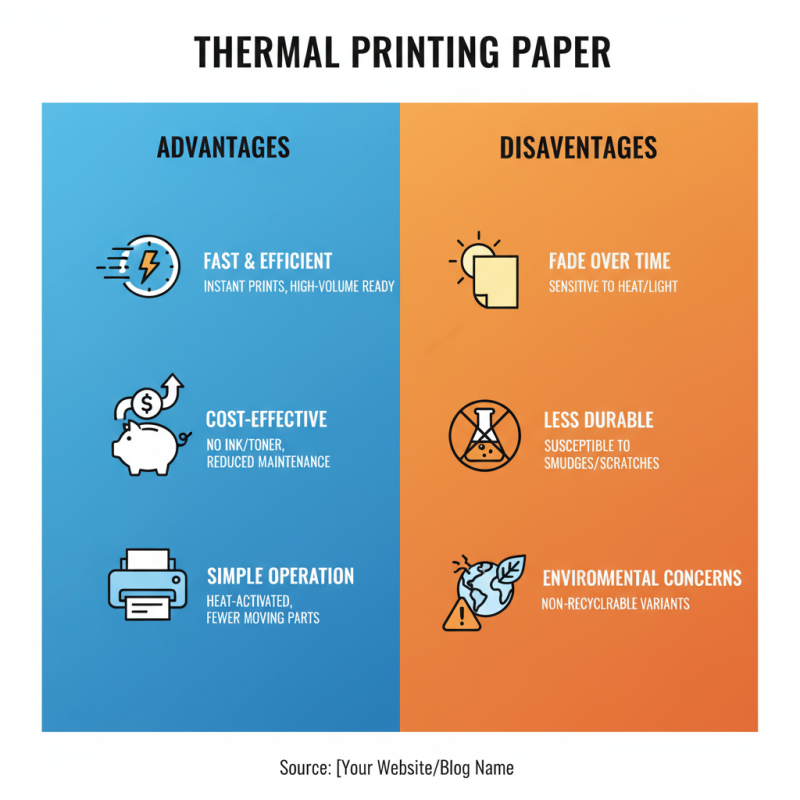
Thermal printing paper has distinct advantages. It is fast and efficient. The printing process generates heat to create images and text. This speed is beneficial for high-volume printing tasks. Additionally, thermal paper is often less expensive than ink-based alternatives. It requires no ink cartridges, reducing maintenance costs.
However, thermal printing paper does have drawbacks. The images can fade over time, especially when exposed to heat and light. This can affect the longevity of printed materials. Another issue is sensitivity to moisture. If thermal paper gets wet, it may become unreadable or damaged. Many users find that the paper can be difficult to store, as it may degrade in unsuitable conditions.
Considering these factors is essential for making informed decisions. While the efficiency of thermal printing is appealing, its limitations can impact functionality. Analyzing specific needs will help determine if thermal paper is the right choice. Always weigh the pros and cons carefully.