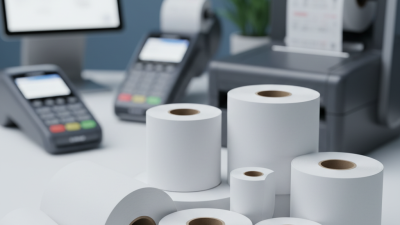
What are Thermal Paper Rolls and How are They Used?
Thermal Paper Rolls are a crucial component in many industries, such as retail and hospitality. These rolls are essential for printing receipts, tickets, and labels through a heat-sensitive process. Experts emphasize their importance in daily transactions. John Smith, a thermal printing specialist, once said, "Thermal Paper Rolls are the backbone of communication in business."
The versatility of Thermal Paper Rolls lies in their varied applications. They are commonly used in cash registers and point-of-sale systems. However, not all thermal papers are created equal. Some can fade over time or react poorly to environmental factors. This can lead to lost essential information. Businesses must choose carefully.
Despite their reliability, there are concerns about their environmental impact. Not all Thermal Paper Rolls are recyclable. This raises questions about sustainability in the printing industry. As we navigate these challenges, it's clear that understanding Thermal Paper Rolls is crucial for both consumers and businesses.
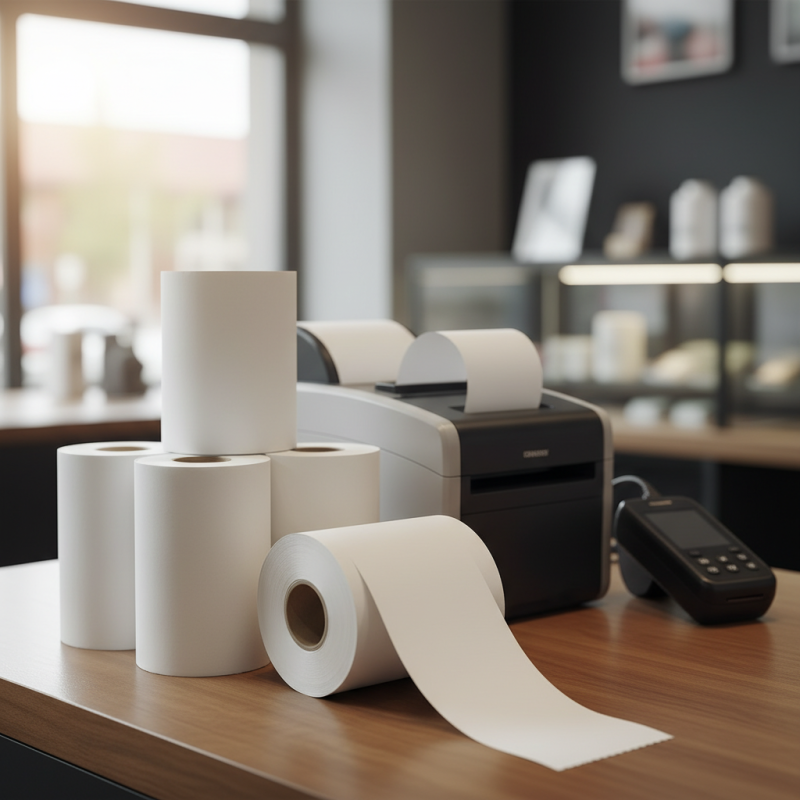
What is Thermal Paper?
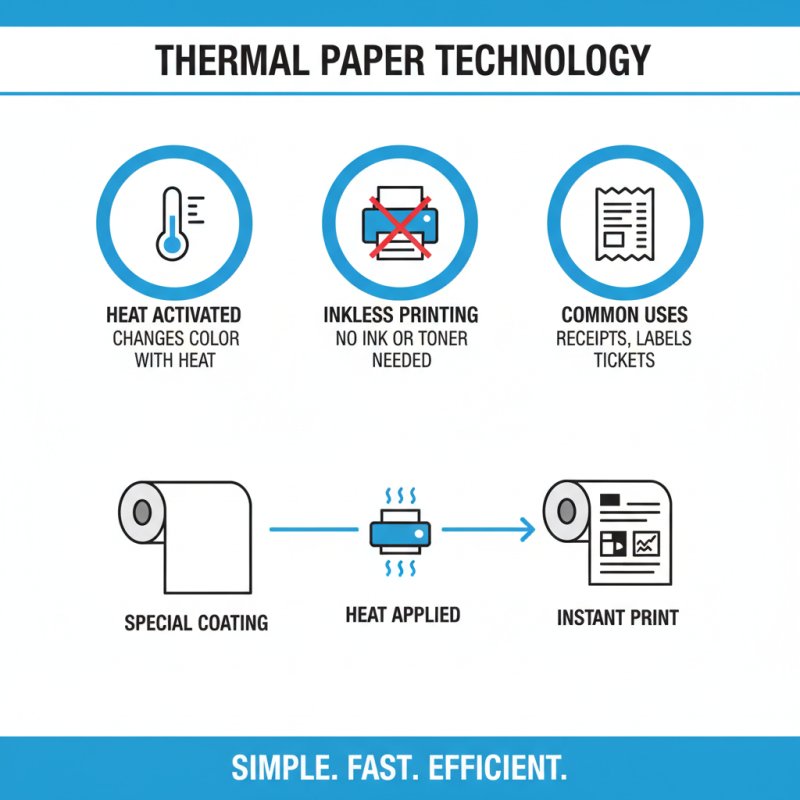
Thermal paper is a special type of paper that changes color when heat is applied. This process makes it popular for printing receipts, labels, and tickets. Unlike traditional printing methods, thermal paper doesn't require ink or toner. Instead, it uses a chemical coating that reacts to heat. This simple change transforms the plain paper into a printed document.
According to recent industry reports, the global thermal paper market is expected to grow significantly. It was valued at approximately $3.5 billion in 2020 and is projected to reach over $5 billion by 2026. Despite this growth, there are concerns regarding sustainability. Many thermal papers contain harmful chemicals like BPA. Some companies are exploring eco-friendly alternatives, but progress has been slow.
Moreover, users should be aware of storage conditions. Thermal paper is sensitive to light and heat, which can lead to fading. Many businesses overlook this aspect, resulting in unreadable receipts. Regular training for staff on proper handling can mitigate this issue. The usage of thermal paper continues to rise, but its long-term impact remains a topic of discussion.
The Composition and Structure of Thermal Paper
Thermal paper is a special type of paper coated with a heat-sensitive layer. This layer allows it to change color when exposed to heat. The chemical composition includes dye and a developer that reacts to heat, forming text and images. Many industries rely on thermal paper for quick receipts and labels.
The structure of thermal paper typically includes three layers: a base paper, the thermal layer, and a protective coating. The base provides support, while the thermal layer balances durability with print quality. This design allows machines to print without ink. Reports suggest that the global thermal paper market will surpass $6 billion by 2025. Factors such as demand from retail and logistics fuel this growth.
Tips: Ensure you store thermal paper rolls away from direct sunlight. This exposure can weaken their print quality. Regularly check the inventory of your thermal paper. Quality can decline over time, so using fresh stock is crucial. Lastly, consider testing different suppliers to find the best balance of cost and quality for your needs.
How Thermal Paper Works: The Printing Process
Thermal paper works through a unique printing process. It contains a special coating that changes color when heat is applied. This coating is often a dye and a developer. The result is a clear and sharp image on the paper.
Printers designed for thermal paper use a heated print head. The head moves across the paper, applying heat only where needed. This method is efficient and silent. It avoids the need for ink, which can be messy and costly.
However, there are challenges. The printed text may fade over time. This can be frustrating for users who need to keep records. Sometimes, the images are not as durable under harsh conditions. Understanding these limitations is important for those who rely on thermal paper for receipts or tickets.
Thermal Paper Roll Usage in Different Industries
Common Applications of Thermal Paper Rolls
Thermal paper rolls are used in many everyday applications. These rolls contain a special coating that reacts to heat, forming images or text. Their convenience makes them a go-to choice in various environments.
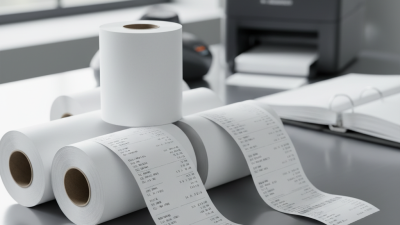
One of the most common applications is in point-of-sale systems. Cashiers use thermal paper for printing receipts quickly. The speed helps maintain the flow of customers in busy retail stores. Another place you’ll find thermal paper is in pharmacies, where prescriptions are printed without delay.
Here are a few tips for using thermal paper rolls effectively:
- Store rolls:
Always store rolls in a cool, dry place. Heat and humidity can affect the print quality.
- Check compatibility:
Check compatibility with your printer. Not all thermal paper rolls fit every printer model.
Other applications include
ticketing systems and ATMs. These places rely on thermal paper to ensure fast transaction processing. However, consider that thermal paper has a limited shelf life. If stored improperly, it may fade or become unusable.
Assessing your needs regularly can help avoid waste.
Advantages and Disadvantages of Using Thermal Paper
Thermal paper rolls are widely used in various industries for printing receipts and tickets. The technology relies on heat-sensitive coating, which changes color when exposed to heat. This method is efficient but comes with both advantages and disadvantages.
One significant advantage is the speed of printing. Thermal printers can produce documents quickly, which is ideal in environments like retail and hospitality. According to recent industry data, over 70% of businesses prefer thermal printing for its efficiency. However, there are drawbacks. Thermal paper tends to fade over time, reducing longevity. It can also be sensitive to heat and light, making storage a concern.
Tips: Always store thermal paper in a cool, dark place to prevent damage. Consider using protective covers for documents to maintain clarity. Regularly check the quality of printed materials, as fading can occur sooner than expected. Balancing cost and reliability is crucial, as cheaper options may not provide the same durability.
Choosing high-quality thermal paper can enhance performance but may require a larger investment upfront.