Top Quality Offset Paper for Global Buyers on a Budget?
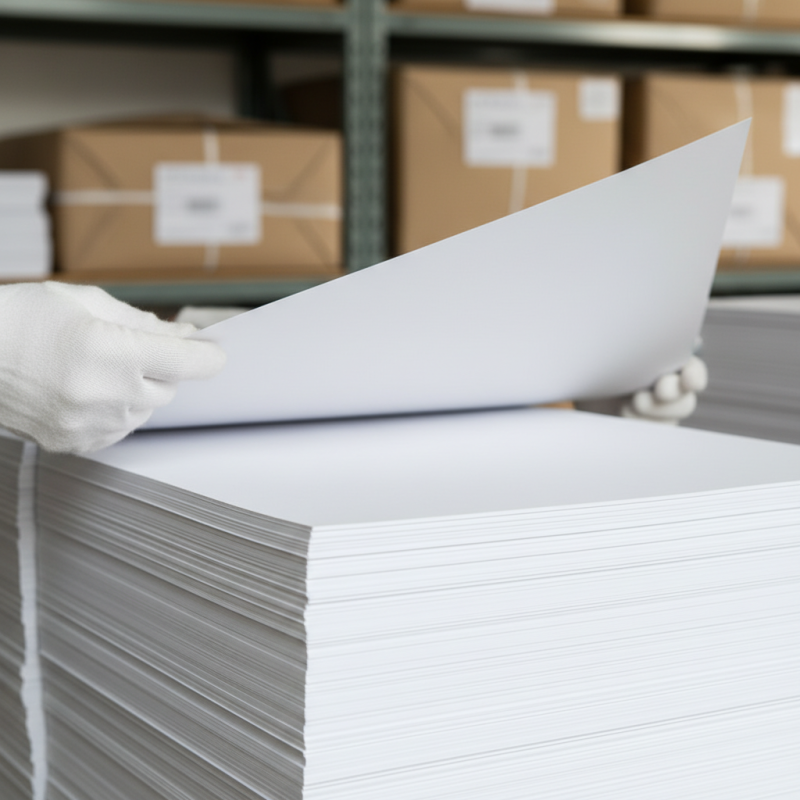
Finding high-quality offset paper on a budget can be challenging. Many global buyers seek reliable sources. They want both affordability and excellence. The right offset paper can make all the difference in a project. It's essential for printing, packaging, and other applications.
The demand for quality offset paper is rising. However, not all suppliers offer the same standards. Some may promise affordability but compromise quality. Buyers must do their research. Look for suppliers with a solid reputation. Reviews and testimonials can help gauge reliability.
When choosing offset paper, consider specific needs. Different projects require different weights and surfaces. Sample tests can save time and money. Quality assurance checks are essential. Remember, not all paper meets expectations. Investing time in finding the right supplier pays off in the long run.
Understanding Offset Paper: Characteristics and Benefits
Offset paper is widely used in various printing applications. It offers significant advantages for buyers looking for quality on a budget. The unique characteristics of offset paper, such as its smooth surface and high opacity, enable vibrant ink absorption. This ensures sharp, clear images, which is essential for professional printing projects.
According to industry reports, offset paper accounts for over 40% of the global paper market. It is an excellent choice for high-volume printing tasks. Buyers benefit from its cost-effectiveness while maintaining high-quality results. However, it is worth noting that not all offset papers are created equal. The weight and brightness can vary significantly, affecting the final output.
Some buyers may face challenges finding the right paper grade for specific applications. While many options exist, selecting the wrong type may lead to undesirable results. Additionally, sourcing for budget-friendly products can sometimes result in poor quality. Researching and understanding specifications will help in making informed decisions.
Offset Paper Quality Comparison
This chart illustrates the quality metrics of offset paper, including factors such as brightness, opacity, weight, smoothness, and grain longness. Each metric is rated on a scale of 1 to 10, demonstrating the overall characteristics that are important for global buyers, especially those on a budget.
Types of Offset Paper: Comparing Quality and Cost
When assessing types of offset paper, quality and cost are key factors. There are various grades available, each suited to different printing needs. Higher-quality offset paper tends to offer better ink absorption, which impacts print clarity and color vibrancy. This can enhance the overall appearance of printed materials, especially for professional projects.
Conversely, lower-cost varieties may present challenges. They often absorb ink unevenly, leading to blotchy prints. This is an important consideration for buyers working within a budget. Finding a balance between quality and price can be tricky. Many buyers end up undervaluing the importance of quality, only to face dissatisfaction with the final product.
Understanding the options is essential. Each type of offset paper has unique characteristics. Buyers should consider their specific requirements before purchasing. It’s beneficial to request samples to compare them in practice. This hands-on approach can reveal discrepancies between expectations and reality, helping buyers make informed decisions.
Factors Influencing Offset Paper Pricing for Global Buyers
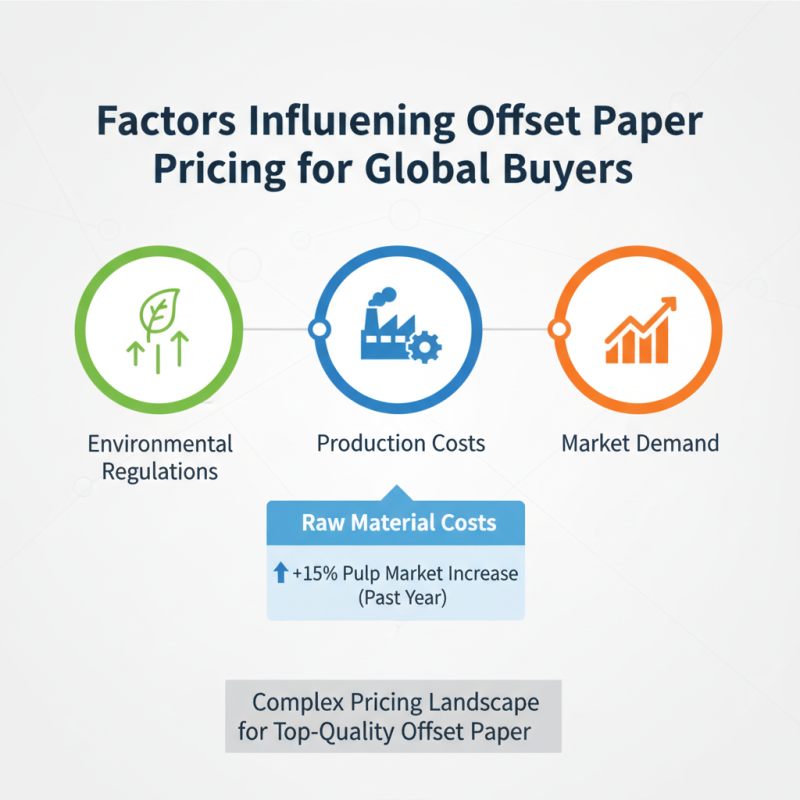
Global buyers seeking top-quality offset paper often navigate a complex pricing landscape. Several factors influence the price, including production costs, environmental regulations, and market demand. According to recent industry reports, raw material costs can fluctuate significantly, affecting overall pricing. For instance, the pulp market has seen a 15% increase over the past year, impacting paper production costs.
Production processes also play a critical role. The shift towards sustainable practices has increased costs for manufacturers, as they invest in eco-friendly technologies. While this is beneficial for the environment, it can lead to higher prices for buyers. Reports indicate that eco-friendly offset papers may cost up to 20% more than traditional options due to these investments.
Tips: When choosing offset paper, consider sourcing from local suppliers. This can minimize freight costs and reduce import tariffs. Additionally, keep an eye on seasonal market trends. Prices can vary throughout the year, and buying in advance may lead to savings. Always compare multiple suppliers to ensure you get the best pricing for your quality requirements.
Budget-Friendly Sources for High-Quality Offset Paper
Finding affordable yet high-quality offset paper can be challenging for global buyers. Many traditional suppliers charge a premium for superior quality, leaving tight budgets in a bind. Exploring diverse sources can uncover budget-friendly options that do not compromise on quality.
Local mills may offer enticing prices while maintaining industry standards. These mills often produce smaller quantities, making them a viable option for businesses with specific needs. Additionally, sourcing from emerging markets can yield excellent paper at competitive rates. However, buyers should be cautious and request samples to ensure the quality meets their standards.
The digital landscape is also filled with innovative companies focused on sustainable practices. Many of these suppliers provide eco-friendly offset paper without steep prices. It's crucial to evaluate their production processes and commitment to quality. Each choice has its potential pitfalls, so gathering feedback from other buyers can guide decisions towards more reliable suppliers.
Tips for Selecting the Right Offset Paper for Your Needs
Choosing the right offset paper is crucial for achieving high-quality print results. Various factors influence this decision, including paper weight, brightness, and texture. According to the Paper and Paperboard Packaging Environmental Council, paper quality significantly impacts print clarity and color vibrancy. A slight downgrading in paper can compromise your project’s overall effectiveness, leaving you dissatisfied.
When it comes to selecting offset paper, consider the following tips. First, assess your printing requirements. A lighter paper may be suitable for everyday printing, while heavier options work better for professional presentations. Additionally, examine the brightness level. Papers with higher brightness, typically rated between 90-100 ISO, yield better print quality.
Another essential factor is texture. Smooth surfaces help produce sharper images, while textured papers add a distinctive feel. Test samples before making a big purchase. Sometimes, what appears perfect on the web may not meet your expectations in person. Reflect on your choices and ensure the paper aligns with your vision and budget. Balancing quality with cost may require flexibility and further research, but it leads to satisfying results.
Top Quality Offset Paper for Global Buyers on a Budget
| Paper Grade |
Weight (gsm) |
Brightness (%) |
Texture |
Ideal Use |
Estimated Cost (per ton) |
| Coated Art Paper |
250 |
90 |
Smooth |
Brochures, Magazines |
$900 |
| Uncoated Bond Paper |
100 |
85 |
Textured |
Reports, Invoices |
$700 |
| Text & Cover Paper |
120 |
92 |
Smooth |
Business Cards, Covers |
$800 |
| Recycled Paper |
250 |
78 |
Rough |
Eco-friendly Products |
$650 |