Why Choose a Paper Thermal Printer for Your Business Needs?
In today's fast-paced business environment, choosing the right printing solution is essential. The Paper Thermal Printer stands out for its efficiency and reliability. According to a recent report by Market Research Future, the global thermal printer market is projected to reach $5.32 billion by 2024. This growth is driven by the increasing demand for quick, high-quality printing across various industries.
Experts emphasize the advantages of Paper Thermal Printers. John Smith, a leading analyst in the printing industry, once stated, "Paper Thermal Printers deliver speed and quality that meet modern business needs." Their ability to produce sharp images and barcodes instantly resolves many of the challenges faced by businesses today. However, some companies still overlook the potential benefits of these systems, leading to missed opportunities.
Despite their advantages, Paper Thermal Printers are not without limitations. They may require specific types of paper and can be less durable under certain conditions. Businesses need to assess their unique requirements. Evaluating the pros and cons is vital for informed decisions that align with operational goals.
Benefits of Paper Thermal Printers in Business Operations
Paper thermal printers offer various benefits for business operations. They are cost-effective and easy to use. Thermal printing requires no ink, which saves money. These printers use heat to create images on special thermal paper. The result is fast and high-quality printing. Many businesses have adopted this technology for their receipt printing needs.
Tips: Choose paper that complements your printer. This ensures optimal performance. Regular maintenance is vital too. Clean the printer heads often to prevent issues.
These printers also improve workflow efficiency. They produce clear and durable prints quickly. Customers appreciate getting their receipts immediately. Fast service can enhance their experience. However, businesses should be mindful of the paper quality. Poor-quality thermal paper can lead to fading and poor legibility. That can harm a company's image in the long run.
Tips: Test different brands of paper. Find the one that works best for your printer. This may take time, but it is worthwhile. Always store paper in a cool, dry place. Heat and moisture can ruin thermal paper.
Benefits of Paper Thermal Printers in Business Operations
Key Features to Consider When Selecting a Thermal Printer
When selecting a thermal printer for your business, several key features should be considered.
Print speed is essential. A printer that can produce labels quickly will save time during busy periods.
Look for models that can print at least 200 mm per second. This speed enhances efficiency in retail or shipping industries.
Another crucial feature is durability. Choose printers that can withstand daily use in various environments. A robust design can prevent wear and tear.
Additionally, consider the connectivity options. Bluetooth and Wi-Fi capabilities allow for easier integration with existing systems.
Ensure the printer supports multiple connectivity modes to accommodate different needs.
Tip: Check the maintenance requirements of each model.
Some printers require frequent cleaning or part replacements. This may lead to unexpected downtime.
Media compatibility is another factor. Ensure the printer can handle various label sizes and types.
Versatility can streamline your operations.
It is also vital to evaluate the price of consumables, like thermal paper.
High costs can add up quickly, impacting your bottom line.
Tip: Test the printer before committing. Not all printers perform as advertised.
A hands-on evaluation can provide insights into user-friendliness and quality.
Cost-Effectiveness of Thermal Printing Solutions
When considering printing solutions, cost-effectiveness is crucial. Paper thermal printers emerge as a viable option for various businesses. According to industry reports, thermal printing can reduce printing costs by up to 50% compared to traditional ink-based methods. This is particularly significant for industries that require high-volume printing.
Moreover, thermal printers require less maintenance, minimizing ongoing expenses. They do not need ink or toner, which can be costly. Instead, these printers use heat to produce images, which is more efficient for businesses. The print speed is also impressive, often producing receipts and labels in mere seconds, contributing to operational efficiency.
Tips: Always assess your printing volume before investing. Determine whether the savings from thermal printing align with your business needs. Additionally, consider the environmental impact. Paper thermal printing produces less waste compared to other types.
Still, it's wise to factor in the initial investment in thermal printers. While they save money in the long run, costs can be high upfront. Balancing these elements is important for informed decision-making. Ensure that your choice of printer aligns directly with your operational demands and budget constraints.
Comparison of Thermal Printers with Other Printing Technologies
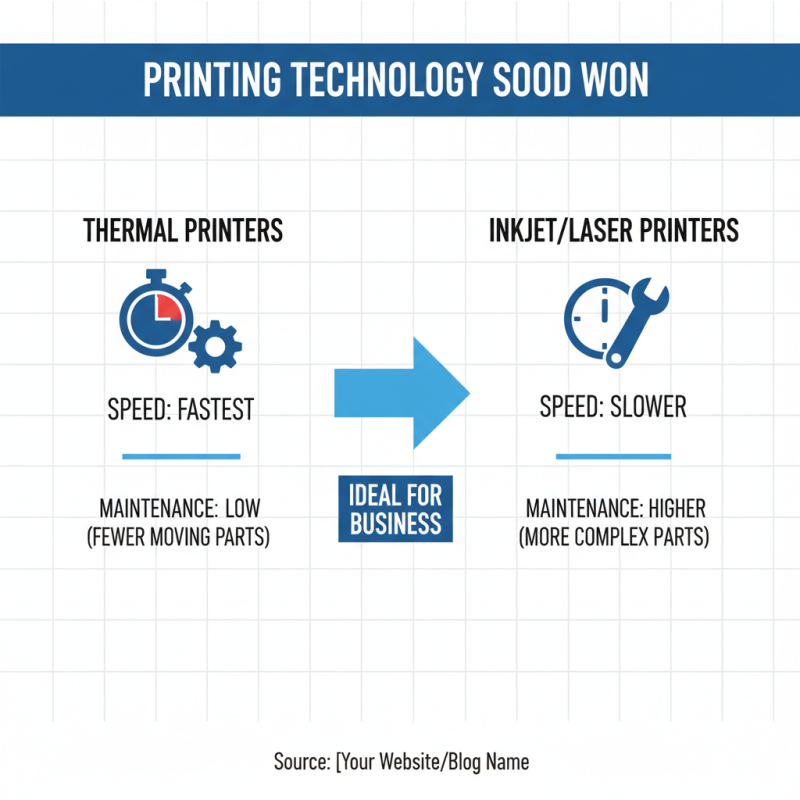
When comparing thermal printers to other printing technologies, several key factors come into play. Thermal printers excel in speed and efficiency. They quickly produce high-quality prints, ideal for busy business environments. Traditional inkjet or laser printers often lag behind in terms of operational speed. Moreover, thermal printers require fewer moving parts, which reduces maintenance needs.
However, there are some downsides to consider. Thermal printers typically use specific types of paper. This can limit options and increase costs. Compatibility with older systems may also be an issue. While thermal printing is often quieter, the lack of versatility can hinder adaptability for some businesses. Users may find themselves needing alternative solutions for diverse printing tasks.
Another factor to weigh is the longevity of prints. Thermal prints can fade over time, especially when exposed to heat and light. On the other hand, inkjet and laser prints tend to have better durability. Each technology has its unique qualities, and businesses must assess their specific needs. In seeking clarity, it's crucial to evaluate the trade-offs involved.
Applications of Paper Thermal Printers Across Various Industries
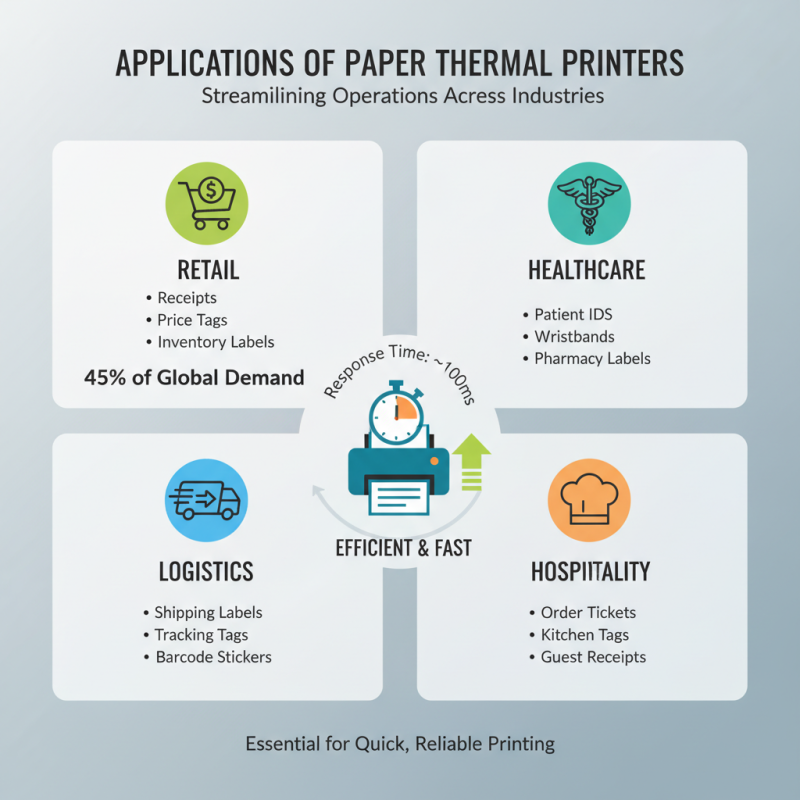
Paper thermal printers have become essential in various industries. They are widely used in retail, healthcare, logistics, and hospitality. According to recent industry reports, the retail sector alone accounts for about 45% of the global demand for thermal printing solutions. These printers are perfect for creating receipts, labels, and tags quickly and efficiently. With a response time of nearly 100 milliseconds, they streamline operations significantly.
In healthcare, thermal printers play a crucial role. They print medication labels and patient wristbands, ensuring accuracy and safety. A study indicated that improper labeling causes 20% of medication errors. Fast, reliable printing aids in reducing such risks. The ability to produce clear and legible prints is vital in this sector. Quality directly impacts patient care and safety measures.
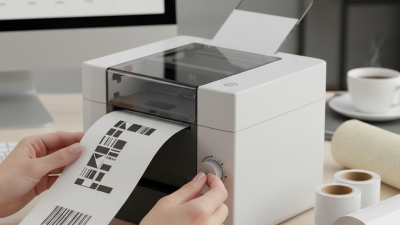
Logistics and shipping companies also benefit from this technology. Barcode labels printed with thermal printers enhance tracking and inventory management. With some companies experiencing a 30% increase in efficiency by adopting thermal printing, it's clear that this technology addresses operational challenges. However, businesses must consider lifecycle costs and maintenance as thermal printers sometimes require specific care and attention.