Understanding Offset Paper and Its Benefits for Your Printing Needs
In the realm of printing, the choice of paper can significantly influence the quality and effectiveness of the final product. Offset paper, renowned for its versatility and superior finish, has become a staple in the printing industry. As industry expert Dr. Emily Carter remarks, "Offset paper not only enhances image quality but also optimizes printing efficiency, making it the preferred choice for a variety of applications." This highlights the critical role offset paper plays in delivering high-grade printed materials.
With its smooth surface and optimal ink absorption capabilities, offset paper stands out for producing vivid colors and sharp text. Whether for business cards, brochures, or magazines, the benefits of using offset paper are numerous. It combines durability with a professional appearance, which is essential for businesses aiming to make a lasting impression. Additionally, the printing process associated with offset paper allows for large-scale production without sacrificing quality, making it an economical option for businesses of all sizes.
Understanding the characteristics and advantages of offset paper is vital for anyone involved in the printing process, whether you're a graphic designer, a marketing professional, or a small business owner. By recognizing its benefits, you can make informed decisions that elevate your projects and ensure they stand out in a competitive market.

What is Offset Paper and How is it Made?
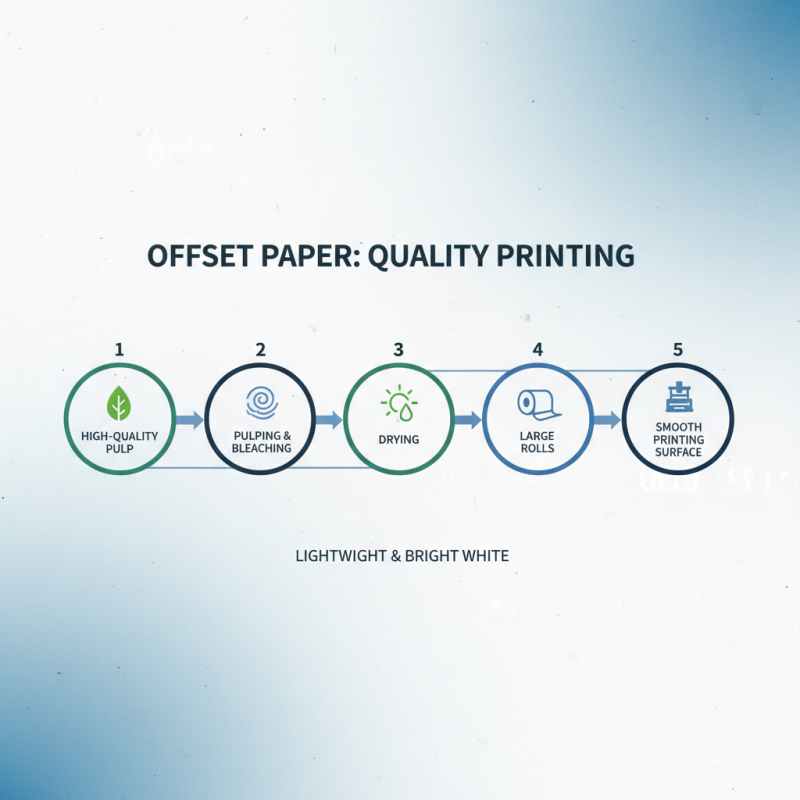
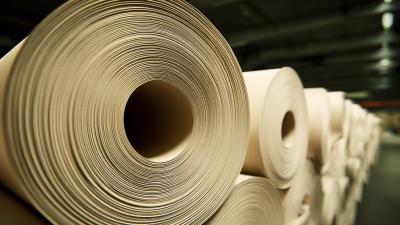
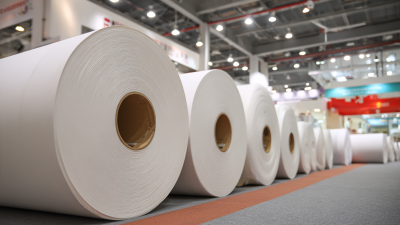
Offset paper is a specialized type of paper commonly used in the printing industry, known for its smooth surface and excellent printing quality. The production of offset paper involves a unique process that begins with the selection of high-quality pulp. This pulp is then processed through pulping, drying, and bleaching stages to produce a lightweight, bright white sheet that serves as the foundation for the final product. The paper is typically produced in large rolls, enabling efficient usage during the printing process.
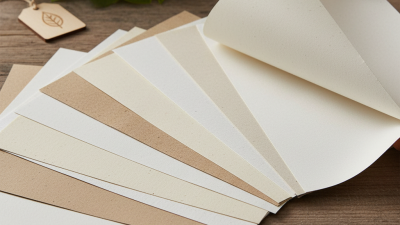
Once the base paper is produced, it undergoes additional treatments to enhance its printability. A key feature of offset paper is its coated or uncoated surface. Coated papers are treated with a layer of chemicals that improve their ability to absorb ink, leading to sharper images and vivid colors. Uncoated options, on the other hand, are preferred for projects that require a more natural finish and better tactile quality. The specific choice of coating affects not only the aesthetic but also the durability and usability of the printed material, making it crucial for meeting different printing needs.
The Key Characteristics of Offset Paper
Offset paper is distinguished by several key characteristics that make it a preferred choice for many printing needs. One of the most notable features of offset paper is its exceptional print quality. The smooth surface and consistent texture of offset paper allow for sharp, vibrant images and text, which is crucial for professional printing applications. According to industry reports, the print quality of offset paper can enhance readability by up to 30% compared to lower-quality alternatives, making it suitable for high-resolution images and fine details.
Another important characteristic of offset paper is its weight and thickness, which can vary significantly. Generally available in a range from 70 to 140 gsm (grams per square meter), heavier weights provide a sturdier feel that conveys quality and permanence. This variety allows printers to select the appropriate weight for different applications, whether for brochures, business cards, or art prints. The versatility of offset paper is further highlighted in a recent survey indicating that around 64% of print professionals prefer offset for commercial printing projects due to its adaptability to various printing processes and finishes.
Additionally, offset paper is known for its excellent ink absorption properties. This characteristic ensures that inks dry evenly and quickly, reducing the risk of smudging or fading over time. Studies have shown that this quality can significantly extend the life of printed materials, with durability ratings improving by 25% when using offset paper compared to other types. This longevity is crucial for items that require a professional finish and lasting impact, underscoring why offset paper remains a staple in the printing industry.
Understanding Offset Paper and Its Benefits for Your Printing Needs - The Key Characteristics of Offset Paper
| Characteristic |
Details |
| Material Type |
Wood pulp based paper |
| Weight Range |
60 to 300 gsm |
| Finish Types |
Gloss, Matte, Silk |
| Print Quality |
High resolution, excellent color reproduction |
| Durability |
Moderate to high, depending on treatment |
| Common Uses |
Brochures, Magazines, Business Cards |
| Environmental Impact |
Recyclable, sourced from sustainable forests |
Advantages of Using Offset Paper in Printing
Offset paper has long been favored in the printing industry due to its numerous advantages, particularly when it comes to producing high-quality prints. One of the primary benefits of using offset paper is its exceptional print quality. According to a report from the Printing Industry of America, offset printing can achieve a resolution of up to 2400 DPI (dots per inch), allowing for sharp images and fine details that are crucial for professional publications. This makes offset paper ideal for producing everything from brochures to books, where clarity and precision are paramount.
Another significant advantage of offset paper is its cost-effectiveness, especially for larger print runs. The same report indicates that offset printing typically becomes more economical as the scale increases; print jobs of over 500 copies can see considerable savings. This is due to the efficiency of the printing process, where setups can consistently produce high volumes quickly, resulting in reduced costs per unit. Additionally, offset paper is compatible with a variety of finishing techniques, such as coating and binding, further enhancing the final product's quality and durability. These factors make offset paper a preferred choice for businesses looking to maximize their investment in print media while ensuring that their materials convey a professional image.
Comparing Offset Paper to Other Types of Printing Paper
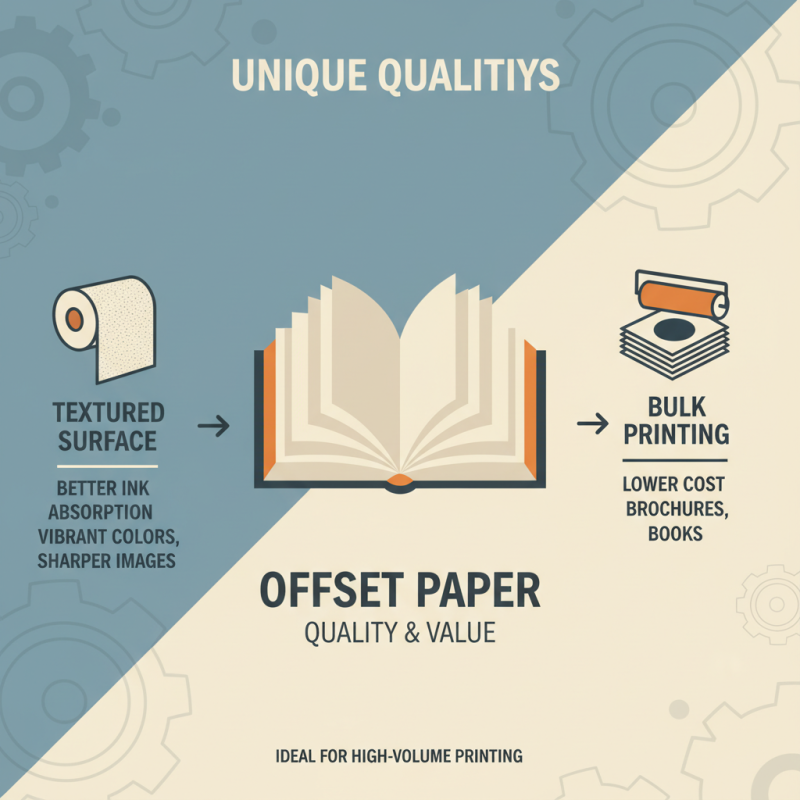
When considering the various types of printing paper, offset paper stands out for its unique qualities and advantages. Unlike digital paper, which often has a smoother finish designed for high-resolution printing, offset paper typically features a more textured surface. This texture allows for better ink absorption, resulting in vibrant colors and sharper images. The printing process used for offset papers also enables larger quantities to be produced at a lower cost per unit, making it especially popular for bulk printing jobs such as magazines, brochures, and books.
In comparison to other types of printing papers like glossy or matte finishes, offset paper offers distinct benefits in terms of versatility. Glossy paper is excellent for photographic prints but can be limited when it comes to writing or note-taking, as ink may smudge. On the other hand, while matte paper provides a non-reflective surface that is ideal for text-heavy documents, it might not achieve the sharpness and vividness of offset printing. Offset paper strikes a balance between these two, making it suitable for a wider range of applications, from art prints to corporate reports, where both visual quality and functionality are essential.
Best Uses and Applications for Offset Paper
Offset paper is renowned for its versatility and excellence in various printing applications. Commonly used in high-volume print jobs, such as newspapers, magazines, and brochures, offset paper is favored for its ability to deliver sharp images and fine text quality. According to a report by the Global Paper Market, the offset printing segment is projected to grow significantly, driven by its efficiency and the cost-effectiveness of producing large quantities of prints. The smooth finish of offset paper enhances color reproduction, making it ideal for vibrant visuals, which is particularly beneficial for marketing materials and art publications.
Moreover, offset paper's durability and range of finishes make it suitable for different printing needs. It performs exceptionally well in commercial printing, where the consistency of color and print quality are critical. The Paper and Paperboard Packaging Environmental Council states that offset paper has a lower environmental impact compared to other printing options, as it is often made from recycled materials and is recyclable itself. Its ability to handle heavyweight inks and coatings allows for diverse applications including business stationery and packaging solutions, where both aesthetics and functionality are paramount. This combination of properties not only underscores the advantages of offset paper but also highlights its essential role in meeting various printing requirements across industries.