What is Magazine Paper and How is it Used?
Magazine Paper plays a vital role in the publishing industry. Its unique qualities make it a popular choice for magazines, catalogs, and brochures. According to industry expert Jane Roberts, “Magazine Paper enhances visuals and grabs the reader's attention.” This highlights its importance.
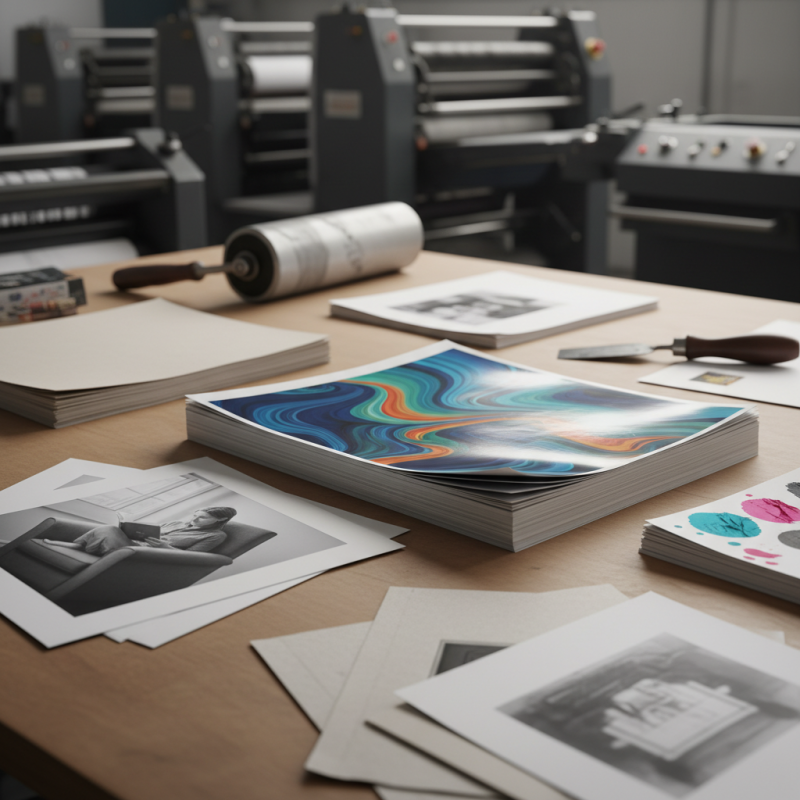
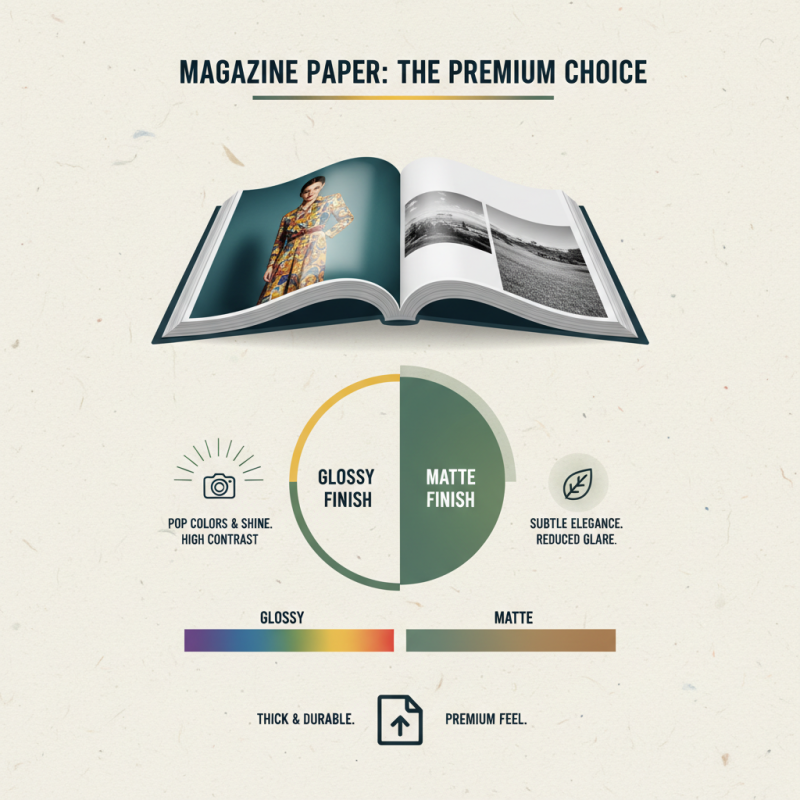
The surface of Magazine Paper is typically glossy or matte. This affects print quality significantly. Glossy finishes give vibrant colors, while matte surfaces offer a refined look. Each type influences readership's perception. Readers feel more engaged with beautifully printed pages.
Yet, challenges exist. Not every magazine can afford high-quality Magazine Paper. Cheaper alternatives may compromise on aesthetics. This could lead to less interest from readers. Thus, balancing cost and quality becomes essential in the publishing world. The choice of Magazine Paper should reflect both budget constraints and a desire for excellence.
What is Magazine Paper? A Comprehensive Overview
Magazine paper is specifically designed for printing magazines. It features a smooth texture, ideal for high-quality images. The paper’s finish can be glossy or matte, impacting how colors appear. Glossy paper enhances vibrancy, while matte provides a subtle elegance. This type of paper is often heavier than regular paper, ensuring durability and a premium feel.
When selecting magazine paper, consider the weight. Heavier paper can withstand handling better. Lighter paper may save costs but could compromise quality. It’s also important to think about ink absorption. Some papers soak up ink, which can affect print clarity. Always request samples from suppliers to make an informed choice.
Tips: Check the paper's opacity to prevent ink bleed-through. A high-opacity stock ensures the content on one side doesn’t show on the other. Also, consider sustainability. Eco-friendly options are becoming popular. They minimize environmental impact and appeal to conscious readers. Selecting the right magazine paper is a critical step for any publication. It impacts print quality and reader experience directly.
Types of Magazine Papers: Coated vs. Uncoated
Magazine papers are essential in the publishing industry. They come in two main types: coated and uncoated. Each type serves unique purposes based on the desired print quality and target audience.
Coated papers are often shiny and smooth. They are ideal for high-resolution images and vibrant colors. According to recent industry analyses, about 70% of magazines use coated paper for cover pages. This type enhances graphic appeal, making visuals pop. However, it comes at a higher production cost. Some publications may struggle with budget constraints, leading to a reduced selection of coated options.
Uncoated papers, on the other hand, provide a more natural feel. These papers are less glossy and have a more tactile texture. They are often used for text-heavy magazines. Reports indicate that a significant portion, nearly 30%, of magazine publishers prefer uncoated paper for sustainability reasons. Uncoated papers are easier to recycle. However, some readers find the images lack the allure that coated papers offer. Balancing cost, quality, and environmental impact can challenge publishers.
Key Specifications: Weight, Brightness, and Finish in Magazine Paper
Magazine paper is a unique type of paper designed for periodicals. It possesses specific characteristics that set it apart. Key specifications include weight, brightness, and finish, all of which impact the overall look and feel of magazines.
Weight is crucial. It typically ranges from 70 to 100 gsm. Thicker paper offers durability. However, it can increase mailing costs. Brightness is equally important for vibrant graphics. A high brightness level enhances colors but may affect print quality. Balancing brightness is essential.
Finish refers to the surface texture of magazine paper. Glossy finish creates sharp images and bright colors. In contrast, matte finish offers a softer look, providing a different visual experience. Choosing the right finish affects the reader's perception.
Tips: Always consider the target audience. A glossy finish might attract younger readers. Meanwhile, a matte finish could appeal to professionals. Testing different weights can help identify what works best. Lastly, don’t overlook environmental factors. Sustainable choices are increasingly valued by consumers. Adjustments in your paper specifications may also be necessary for different print runs, aiming for uniformity in every magazine issue.
Applications of Magazine Paper in Print and Digital Media
Magazine paper is a versatile material widely used in print and digital media. Its unique texture and weight make it ideal for various applications. In print media, magazine paper is often utilized in fashion, lifestyle, and art magazines. The glossy finish enhances visuals, making photos pop. This is crucial for attracting readers. The tactile experience can also create an emotional connection.
In digital media, the concept of magazine paper influences user interface designs. Many websites mimic the layout of traditional magazines, applying similar aesthetics. The use of bright colors and eye-catching typography draws attention. However, the shift to digital has its challenges. Creating engaging content online requires constant adaptation. What works in print might not resonate in a digital context.
**Tips:** Focus on quality images for print layouts. A blurry photo can ruin a page. For digital designs, keep it simple. Avoid clutter to maintain user interest. Remember, too much information can overwhelm. Reflect on your design choices. Are they enhancing the reader's experience?
What is Magazine Paper and How is it Used? - Applications of Magazine Paper in Print and Digital Media
| Dimension |
Description |
| Weight |
Typically ranges from 60 to 80 gsm |
| Finish |
Glossy, matte, or silk finish options |
| Usage in Print Media |
Commonly used for magazines, brochures, and catalogs |
| Usage in Digital Media |
Can be scanned or photographed for online content |
| Environmental Impact |
Recyclable; some brands use sustainable practices |
| Print Quality |
Provides high-quality print results with vibrant colors |
| Cost |
Generally more affordable compared to specialty papers |
Market Trends: The Future of Magazine Paper in Publishing Industry
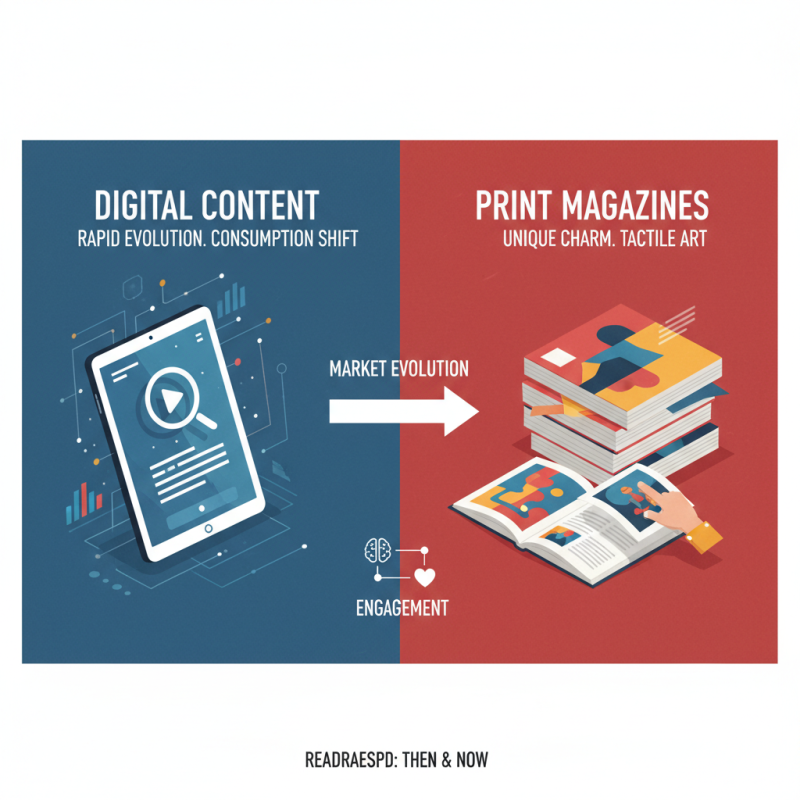
The magazine paper market is evolving rapidly. Digital content is reshaping how readers consume information. Yet, print magazines retain a unique charm. The tactile experience and vibrant visuals captivate audiences. They are not just reading material; they are collectible pieces of art.
Sustainability is driving new trends in magazine paper. Many publishers are seeking eco-friendly options. Recycled paper is becoming more common. This shift appeals to environmentally-conscious consumers. However, the challenge remains in balancing quality with sustainability. Often, recycled options do not meet the high standards of traditional paper.
Tips: Consider audience preferences when choosing paper. Some readers enjoy glossy finishes, while others prefer matte textures. Always test different options. Additionally, monitor industry developments. Knowing the latest trends will keep your publications relevant. Staying informed is crucial in a changing market. It's essential to reflect on what works and what doesn't for your specific audience's needs.