What is the Importance of Thermal Printer Rolls in Modern Printing Solutions
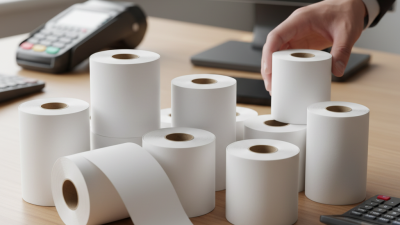
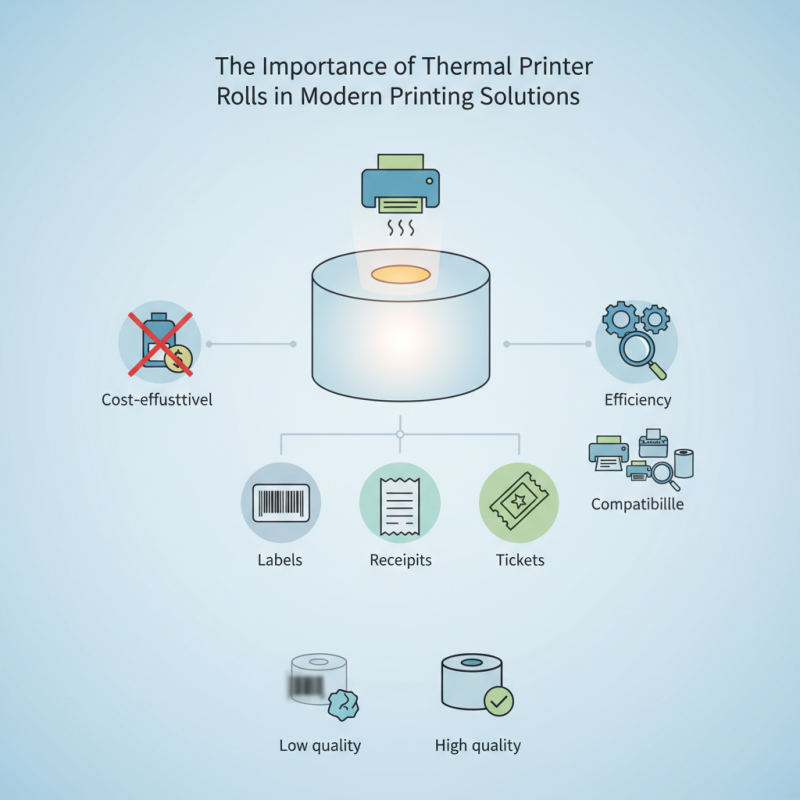
In today's fast-paced world, efficient printing solutions are crucial for businesses. Among these, Thermal Printer Rolls play a vital role. These rolls are essential components in thermal printing technology. They offer a reliable way to produce high-quality prints, whether for labels, receipts, or tickets.
Thermal Printer Rolls use heat to transfer ink onto paper. This process eliminates the need for traditional ink cartridges, making it cost-effective. Many companies now rely on these rolls for their printing needs. The convenience they provide cannot be overlooked. However, finding the right type of roll can be a challenge. Not all thermal printer rolls are compatible with every printer model. Businesses must invest time and resources to ensure compatibility.
Additionally, the quality of Thermal Printer Rolls varies. Low-quality rolls can result in faded prints or paper jams. This could lead to disruptions in operations. Ultimately, understanding the importance of Thermal Printer Rolls is essential for optimizing printing solutions. Companies must pay careful attention to the types of rolls they use. The right choices can enhance efficiency and improve overall output quality.
The Role of Thermal Printer Rolls in Modern Printing Technologies
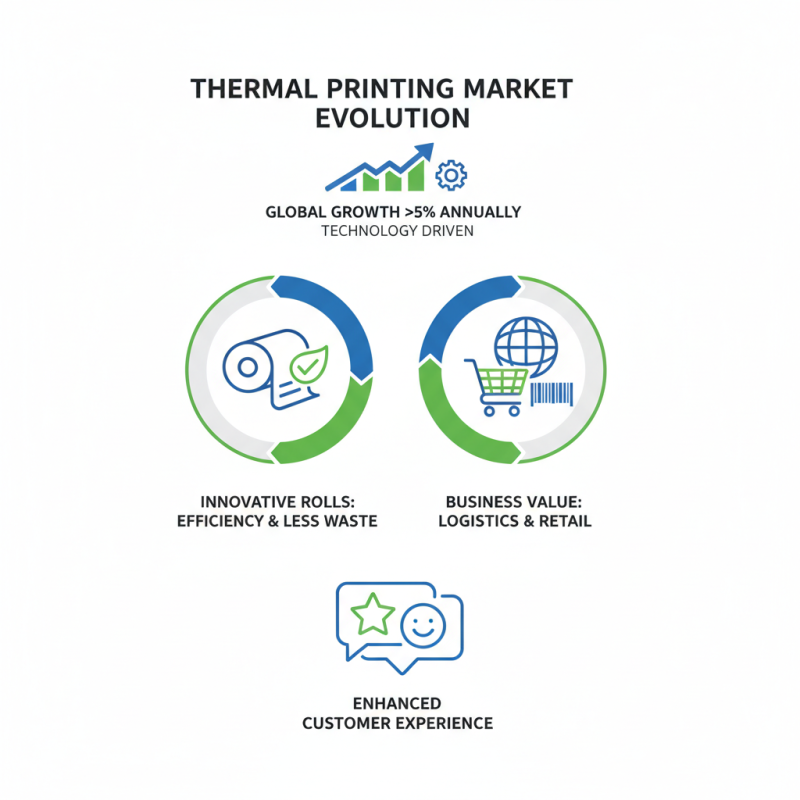
Thermal printer rolls play a vital role in modern printing technologies. These rolls are essential for delivering high-quality prints in various settings. Businesses increasingly rely on thermal printers for receipts, labels, and barcodes. The speed and efficiency of these printers make them popular in retail and logistics.
These rolls use heat to transfer ink onto paper. This process requires less maintenance compared to traditional printing methods. Users appreciate the clean and smudge-free results. However, the choice of thermal paper quality can impact the final output. Low-quality paper might fade quickly, compromising legibility.
Environmental concerns should not be ignored. Many thermal rolls contain chemicals that can harm the ecosystem. Users should seek eco-friendly options when possible. While thermal printer rolls are efficient, they are not perfect. Awareness of their limitations ensures better decision-making in choosing printing solutions.
Key Features of Thermal Printer Rolls in Commercial Applications
Thermal printer rolls play a crucial role in modern printing solutions, especially in commercial settings. These rolls are designed to provide high-quality prints with speed and efficiency. The most prominent feature is their ability to produce crisp images without needing ink. This saves costs and reduces maintenance on printing devices.
Businesses rely on thermal rolls for various applications. From receipts in retail to labels in warehouses, the versatility is remarkable. They are easy to change, minimizing downtime. However, not all thermal rolls are the same. Quality can vary quite a bit, and using inferior products might lead to faded prints or jams.
The longevity of thermal prints is also something to consider. While they may look good initially, exposure to heat or sunlight can cause them to deteriorate over time. Some users overlook this factor. Ultimately, the right selection and usage of thermal printer rolls can significantly enhance business operations.
What is the Importance of Thermal Printer Rolls in Modern Printing Solutions - Key Features of Thermal Printer Rolls in Commercial Applications
| Feature |
Description |
Commercial Application |
Dimensions |
Roll Length |
| Durability |
Resistant to fading and moisture, ensuring longevity of printed materials. |
Retail receipts, shipping labels |
50mm x 30mm |
30 meters |
| Print Quality |
Offers high-resolution printing for clear text and barcodes. |
Food packaging, healthcare labels |
80mm x 60mm |
50 meters |
| Eco-Friendliness |
Made from environmentally safe materials, recyclable paper options available. |
Event tickets, airline boarding passes |
100mm x 70mm |
100 meters |
| Compatibility |
Designed to work with a wide range of thermal printers. |
Warehouse management, point-of-sale systems |
57mm x 30mm |
50 meters |
| Cost-Effectiveness |
Lower overall printing cost due to the absence of ink or toner. |
Logistics labels, barcoding |
75mm x 50mm |
75 meters |
Impact of Thermal Printer Roll Quality on Print Longevity and Clarity
The quality of thermal printer rolls plays a critical role in print longevity and clarity. Reports indicate that prints made with high-quality thermal rolls can last up to 10 years without fading. In contrast, cheaper rolls may produce diminished clarity after only a year. This inconsistency can lead to significant issues, especially in industries where legible documentation is crucial, such as healthcare and retail.
A study showed that nearly 30% of businesses experienced reduced print quality due to subpar thermal rolls. This not only affects readability but can also result in increased costs for reprinting documents. For example, invoices and labels printed with lower-quality rolls often become unreadable, leading to delays and dissatisfaction. Many users underestimate the importance of investing in high-quality rolls, often prioritizing price over quality.
Environmental factors also play a role. Poor-quality thermal rolls are more susceptible to heat and humidity. In adverse conditions, these rolls can warp or fade, rendering prints unusable. Therefore, while it may seem cost-effective to go for cheaper options, the long-term consequences might outweigh the initial savings. Quality should always be a priority for reliable printing solutions.
Impact of Thermal Printer Roll Quality on Print Longevity and Clarity
Sustainability Considerations in the Manufacturing of Thermal Printer Rolls
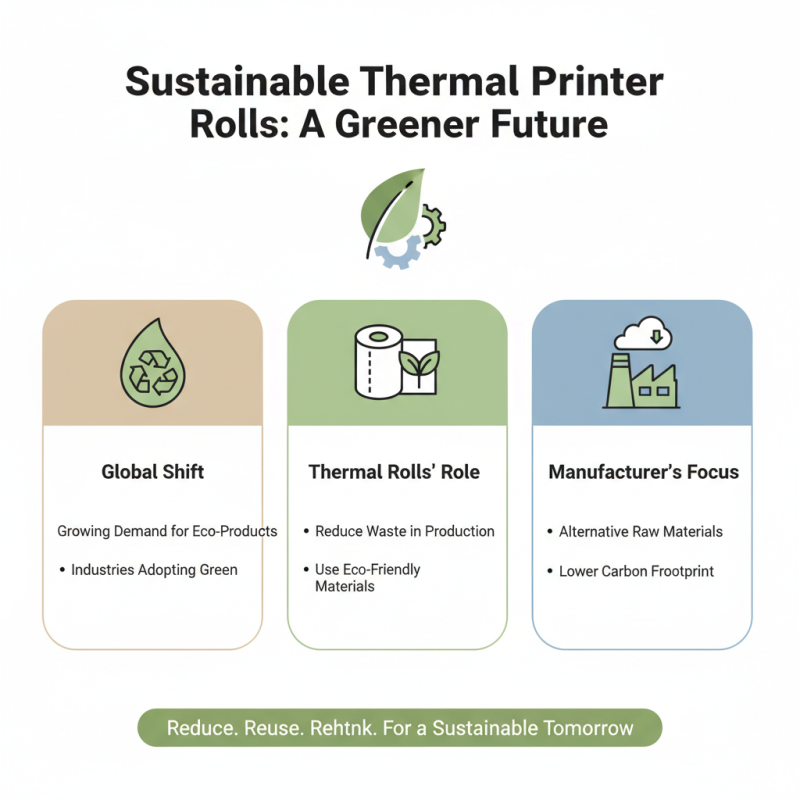
The growing demand for sustainable products influences many industries today. Thermal printer rolls, often overlooked, have an important role in this shift. The production of these rolls should focus on reducing waste and using eco-friendly materials. Many manufacturers are considering alternative raw materials that have lower environmental impacts. This step can help lessen the carbon footprint associated with production.
Recycling is another critical aspect. Not all thermal printer rolls are recyclable, which creates a challenge. Some companies are exploring ways to improve the recyclability of their products. This includes using polymers that break down more easily. However, there is still a long way to go in achieving widespread industry change. Sustainable practices in sourcing and manufacturing remain underdeveloped.
Furthermore, durability and performance cannot be sacrificed for sustainability. The challenge lies in finding the balance between high-quality printing and eco-friendly production. Some products may not perform well with green materials. Consumers need to reflect on their purchasing choices, emphasizing sustainability without compromising quality.