2026 How to Choose the Right Printing Paper for Your Needs?
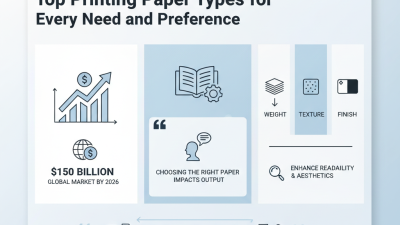
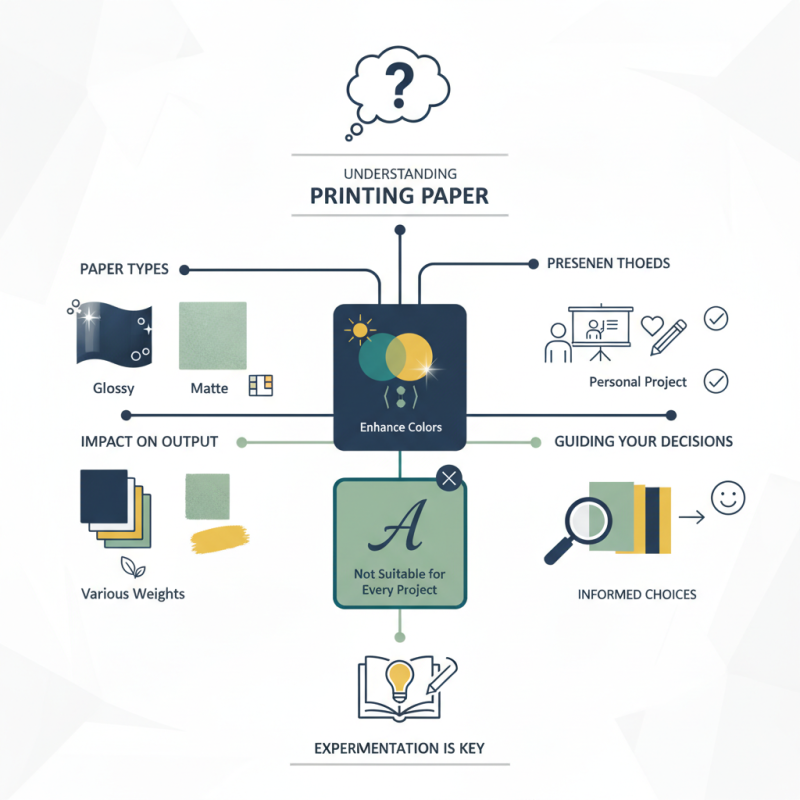
When selecting the right printing paper, understanding your specific needs is crucial. "Choosing the right paper can elevate your print quality significantly," says Emily Carter, a renowned expert in the printing paper industry. The variety in printing paper is extensive, each type serving different purposes. You have glossy, matte, and various weight options to consider.
Each choice impacts the final output differently. Glossy papers may enhance colors, but they can also exhibit glare. Matte options provide a sophisticated touch, yet they may not be suitable for every project. If you're unsure, experimentation is key. Customers often overlook the importance of paper selection. Choosing improperly can lead to disappointment in print results.
Moreover, reflecting on your specific needs can guide your decisions. Ask yourself about the purpose of your printing. Is it a presentation or a personal project? The right printing paper can make a noticeable difference in these outcomes. Understanding the nuances of each type will empower you to make informed choices tailored to your vision.
Understanding Different Types of Printing Paper Available in the Market
When selecting printing paper, it's important to understand the types available on the market. There are various options, each designed for specific purposes. For example, a glossy paper is ideal for vibrant images. This type enhances color saturation, making photos pop. However, it may not be suitable for text-heavy documents.
Another common choice is matte paper. It offers a non-reflective surface, which makes it great for reading materials. However, colors may appear less vivid than on glossy paper. If you're printing brochures or flyers, consider cardstock. It provides durability and a professional feel. Still, the weight of cardstock can affect printing costs.
Specialty papers exist too, such as recycled or textured options. These choices can lend a unique aesthetic to your projects. But, they can require specific printer settings for optimal results. Mistakes can happen, especially if the wrong paper is used. Research and trial are essential. Not all printers handle every paper type equally. Always consider the end use of your printed material. This approach helps ensure you make informed choices.
Factors to Consider When Selecting Printing Paper for Specific Projects
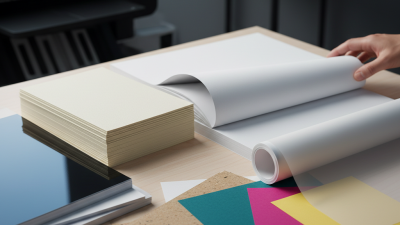
Selecting the right printing paper is crucial for achieving the best results in your projects. Various factors can influence your choice. Consider the paper's weight, texture, and finish. Heavier paper often feels more substantial and can enhance the perception of quality. Glossy finishes provide vibrant colors, while matte surfaces lend a more professional touch.
Tips: When printing photos, opt for paper designed for color vibrancy. Text documents may benefit from uncoated paper, ensuring easy readability. Always check the compatibility of your printer with the selected paper type.
Think about your project's purpose. If it's for branding, choose paper that reflects your identity. For straightforward documents, standard paper might suffice. Be mindful, sometimes a more expensive paper can lead to better outcomes. Experimenting on small samples can save time and money. Each project may require a unique approach, and reflecting on past choices can guide your current decisions.
Evaluating Paper Weight and Thickness for Optimal Print Quality
Choosing the right paper for printing involves more than just the surface finish.
Paper weight and thickness
are crucial in achieving optimal print quality. The weight of paper is measured in grams per square meter (gsm).
For example, 80 gsm is standard for everyday printing, while heavier options like 160 gsm or 300 gsm
are more suitable for photography and brochures. A study by the Printing Industries of America notes that thicker papers result in sharper images
and higher vibrancy in colors.
Thickness also plays a significant role. It affects how light interacts with the paper surface.
A thicker sheet can absorb more ink, enhancing color saturation. However, overly thick paper may cause issues with feeding in printers.
According to industry reports, a paper thickness of about 0.1 mm to 0.15 mm
is ideal for everyday documents. Yet, users must consider compatibility with their printing equipment.
Experts recommend testing samples before bulk purchases.
It’s essential to reflect on the intended use as well. Marketing materials often benefit from heavier stocks,
reflecting quality to customers. Conversely, internal documents may require lighter paper to reduce costs.
Balancing these needs can be challenging. Trial and error may lead to better choices and improved outcomes
in the long run.
Assessing the Surface Finish: Glossy, Matte, and Textured Options
Choosing the right surface finish for printing paper can impact your project significantly. Glossy paper captures attention with its shiny surface. It enhances colors and details. Perfect for vibrant images, this finish can make photos pop. However, glossy paper can reflect light, causing glare. This might not be ideal for everything.
On the other hand, matte paper offers a subdued elegance. It provides a soft finish that absorbs light. This makes it excellent for reading materials and professional reports. Matte surfaces can also be easier to write on. But, colors might not appear as vibrant. Some might find matte prints lack the excitement of glossy options.
Textured paper adds a unique feel to printed materials. It can create a tactile experience that engages the senses. Think about handmade invitations or business cards. However, the texture can sometimes distract from the printed content. It’s essential to find a balance. Consider what your project needs and what message you want to convey.