How to Choose the Best Photo Printing Paper for Stunning Results
When it comes to creating lasting memories through photography, choosing the right Photo Printing Paper is indispensable. Renowned photography expert James Coleman emphasizes, “The quality of your print begins with the paper; it can elevate a photo from ordinary to extraordinary.” This insight underlines the crucial role that Photo Printing Paper plays in the overall outcome of your prints.
Selecting the best paper can transform mere images into stunning works of art, enhancing colors, sharpness, and the tactile experience of each print. With a myriad of options available, from glossy to matte surfaces, understanding the characteristics of different types of Photo Printing Paper can be daunting. Whether you're seeking vibrant, high-contrast images or soft, textured prints, the right choice can make all the difference in capturing the essence of your photographic vision.
In this guide, we will explore essential factors to consider when choosing Photo Printing Paper, helping to demystify the selection process and ensure that your prints reflect the beauty and emotion of the moments you cherish most. By understanding the nuances of various paper types and their suitability for different styles of photography, you can achieve stunning results that bring your images to life.

Understanding Different Types of Photo Printing Paper
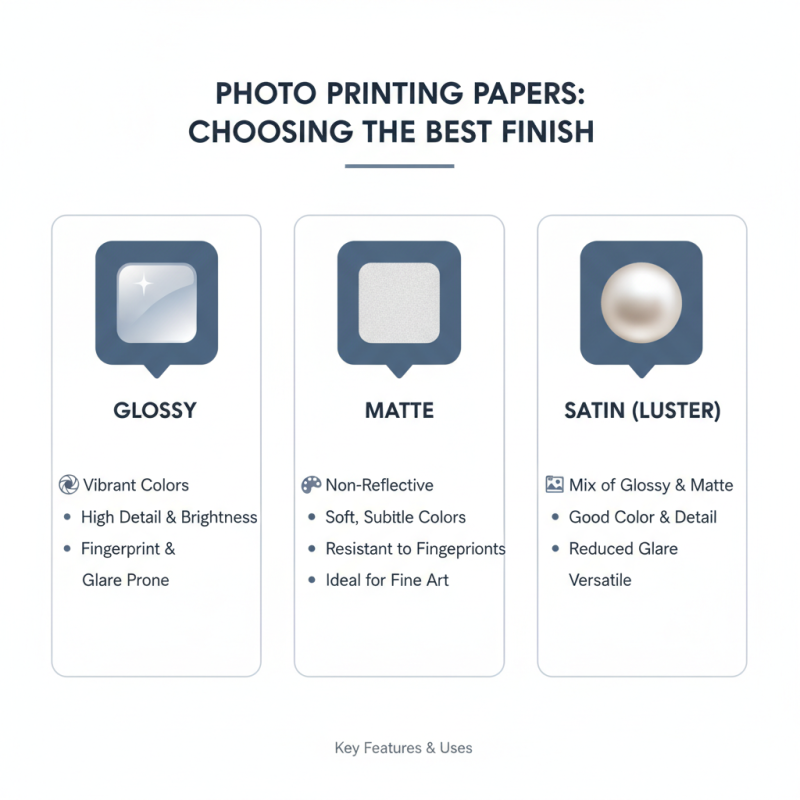
When selecting the best photo printing paper, it's crucial to understand the different types available on the market. Broadly, photo printing papers can be classified into glossy, matte, and satin finishes. Glossy paper is popular for its vibrant color reproduction and high reflectivity, making it ideal for photographs where detail and brightness are paramount. However, the shiny surface can attract fingerprints and reflections, which could be a drawback for certain applications.
Matte paper, on the other hand, offers a more subdued and elegant finish that reduces glare and enhances texture. This type of paper is preferable for images that require a softer look or for prints intended for framing. Furthermore, matte finishes are excellent for black-and-white photography, as they bring a richness to tones that might be lost on glossy surfaces. Lastly, satin paper strikes a balance between glossy and matte, offering good color vibrancy without the extreme shine, making it versatile for various printing needs while minimizing glare.
Understanding the specific characteristics of each type will help in choosing the right paper for your photographic needs. Consider the subject matter and intended use of the print, as these factors will greatly influence your final decision.
Evaluating Paper Weight and Thickness for Quality Prints
When selecting photo printing paper, understanding paper weight and thickness is crucial for achieving quality prints. The weight of photo paper is typically measured in grams per square meter (gsm), and it can significantly impact the final outcome. Papers weighing between 200gsm to 300gsm are generally recommended for high-quality prints as they offer a robust structure that can handle vibrant inks without warping or bleeding. Heavier papers not only feel more professional but also lend a sense of depth and richness to the images, enhancing the overall visual appeal.
Thickness, measured in mils or points, further influences the printing process and the finished product. Thicker papers (often above 10 mils) tend to produce sharper, more detailed images because they can better absorb and distribute ink. It's essential to consider the type of project when selecting thickness; for instance, thicker papers are more suitable for fine art prints or photographs intended for framing, while lighter options may be ideal for casual prints or proofing. Ultimately, evaluating both weight and thickness will help you select the ideal paper that suits your printing needs, ensuring stunning results every time.
How to Choose the Best Photo Printing Paper for Stunning Results
| Paper Type |
Weight (gsm) |
Thickness (mm) |
Finish Type |
Best For |
| Glossy Photo Paper |
250 |
0.25 |
Glossy |
Vibrant Image Prints |
| Matte Photo Paper |
210 |
0.21 |
Matte |
Art Prints, Portfolios |
| Silver Halide Paper |
300 |
0.30 |
Glossy/Matte |
Professional Photography |
| Canvas Paper |
380 |
0.4 |
Textured |
Fine Art Reproductions |
| Photo Rag Paper |
308 |
0.45 |
Matte |
High-Quality Prints |
Matching Paper Finish to Your Photography Style
When selecting the best photo printing paper for your images, it's crucial to align the paper finish with your photography style. Different finishes can dramatically affect how the colors, textures, and overall mood of your photographs are perceived. For instance, glossy paper enhances vibrant colors and sharp details, making it ideal for portrait and landscape photography where luminosity is desired. According to a study by the Imaging Science Association, prints on glossy paper can exhibit a color gamut that is 20% wider compared to matte surfaces, resulting in more vivid and dynamic prints.
On the other hand, matte finishes offer a more subtle and refined look that often suits fine art photography, black-and-white prints, or any style where textural quality and depth are prioritized. The absence of glare and reflections allows viewers to appreciate intricate details, making it popular among artists. Notably, research from the International Association of Photographic Artists shows that images printed on matte paper tend to have a longer archival quality, with durability extending up to 200 years when properly stored.
Tips: Consider experimenting with different finishes to see which best complements your favorite images. Additionally, keep in mind that the type of ink can also influence the final result; for example, pigment-based inks are generally more compatible with fine art papers, ensuring longevity and depth. Lastly, always check the paper's specifications to verify weight and thickness to achieve optimal print quality for your desired application.
Considering Ink Compatibility for Optimal Results
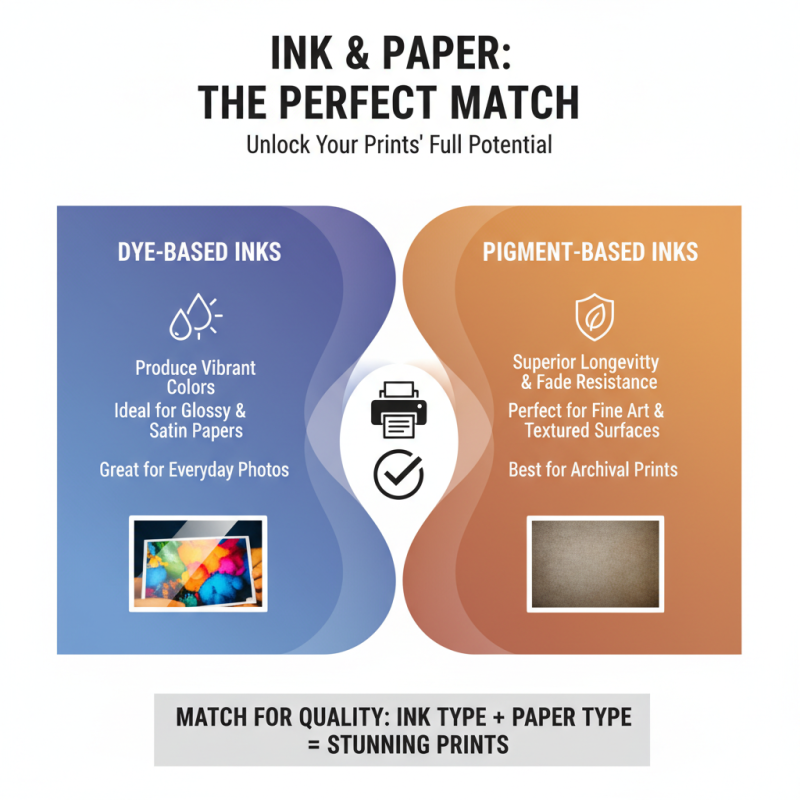
When selecting photo printing paper, understanding ink compatibility is crucial for achieving stunning results. Different types of ink—whether dye-based or pigment-based—react uniquely with various paper surfaces. Dye-based inks tend to produce vibrant colors and are often best suited for glossy or satin finishes. In contrast, pigment-based inks offer superior longevity and fade resistance, making them ideal for fine art papers or textured surfaces. Carefully matching your ink type with the right paper can truly elevate the quality of your prints.
Tips: Before making a final decision, conduct a test print on several types of paper that match your ink. Pay attention to how colors render and whether there’s a difference in detail when viewed under different lighting conditions. This testing phase will help you pinpoint the combination that yields the most visually appealing results.
Additionally, consider the paper weight and texture, as these factors can influence the overall appearance of your prints. Heavier paper often provides a more robust feel and can enhance the perception of depth in an image. Smooth finishes are great for sharp photographs, while textured surfaces can add an artistic touch to printed images. Exploring various combinations will not only improve the quality of your work but also give you creative freedom in presenting your photography.
Analyzing Cost vs. Quality in Photo Printing Paper Selection
When selecting photo printing paper, understanding the balance between cost and quality is paramount. Cheaper papers may seem attractive, especially for bulk printing, but they often compromise the final image quality. Low-cost options might lead to faded colors, poor sharpness, and disappointing durability. Therefore, when considering your budget, it’s vital to assess how these products will contribute to the overall impression of your photos. Investing slightly more in high-quality paper can elevate your prints and enhance the viewing experience.
On the other hand, it is essential to recognize that high-quality photo paper doesn't always have to come at a premium price. Many affordable options offer excellent performance, striking a balance between quality and cost. Researching and sampling different papers can yield surprising results, revealing hidden gems that deliver stunning prints without stretching your budget. Ultimately, the choice of paper should align with the intended use—whether for personal enjoyment, artistic presentation, or professional display—ensuring that the final product meets your expectations in both quality and value.
How to Choose the Best Photo Printing Paper
This graph compares various types of photo printing paper in terms of cost and quality. 'Cost ($ per sheet)' shows the price associated with each paper type, while 'Quality Rating (1-10)' indicates the perceived quality, providing insight into the cost versus quality analysis in photo printing paper selection.