How to Choose the Right Printing Paper at 2026 Canton Fair?
Choosing the right printing paper is crucial for success in the printing industry. At the 2026 Canton Fair, a wide range of printing paper options will be available. According to industry expert John Smith, “The right paper enhances the quality of printed material and reflects your brand's value.” This highlights the importance of selecting appropriate materials.
The fair, held from April 15 to May 5, will showcase advanced manufacturing and innovative materials. Attendees can experience the benefits of AI-powered navigation, efficiently locating suppliers with the desired certifications. With 1.55 million square meters of exhibition space, decision-making becomes simpler yet overwhelming.
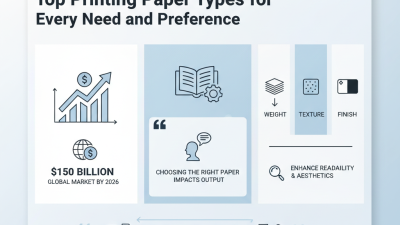
Despite advancements, many buyers struggle with paper selection. Common mistakes include overlooking the paper’s weight, texture, and finish. These factors significantly impact the final output. In this evolving market, understanding the nuances of printing paper is essential. It shapes not only the visual appeal but also the overall message of the printed work.

Understanding Different Types of Printing Paper Available at the Fair
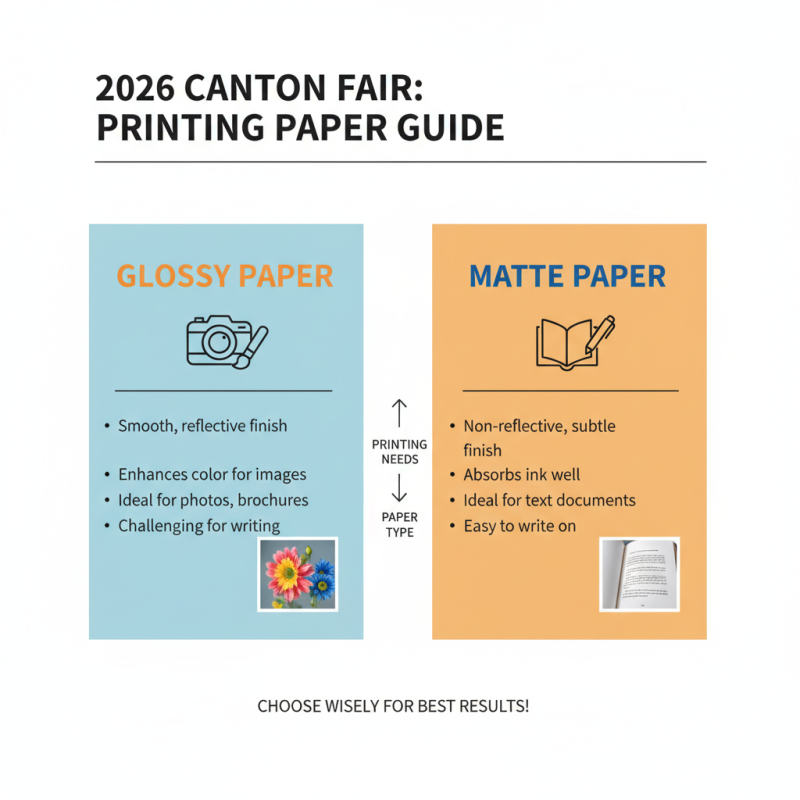
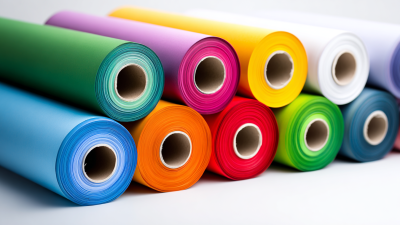
When visiting the 2026 Canton Fair, understanding the types of printing paper available is key. Different papers serve various printing needs. For instance, glossy paper is ideal for vibrant images. It enhances colors but can be a challenge for writing. On the other hand, matte paper offers a subtle finish. It’s suitable for text-heavy documents as it absorbs ink well.
Tips: Check the thickness of the paper. A heavier weight is often more durable. Light paper might be easier to handle but can be flimsy. Consider how the paper will be used. If it’s for marketing materials, glossy may be your go-to. For professional reports, matte may be a better choice.
Additionally, explore specialty papers at the fair. Textured or recycled paper can give documents a unique touch. However, these options may require extra planning. Some printers may not support all types. Testing the paper is essential before making a final decision.
Evaluating Paper Quality: Key Characteristics to Consider
When selecting the right printing paper, evaluating paper quality is crucial. Look for these key characteristics: weight, texture, and brightness. The weight often indicates the thickness; heavier papers usually feel more substantial. However, lighter papers can be more cost-effective for large runs.
Texture adds depth to your print. A smooth finish provides a sleek look for photos. In contrast, textured paper enhances the tactile experience for brochures and cards. Brightness affects color vibrancy. Papers with higher brightness levels produce more vivid colors, while those with lower brightness can sometimes give a softer feel.
Here are some tips: test samples before buying. Hold the paper, feel its weight and texture. Observe the colors printed on it. Don’t hesitate to ask for uncoated options; these might surprise you! Take time to compare different types. Every paper comes with its unique drawbacks. Reflect on your specific needs and choose accordingly.
Evaluating Paper Quality at the 2026 Canton Fair
Environmental Impact: Sustainable Printing Paper Options
Choosing the right printing paper is crucial, especially with sustainability in mind. At the 2026 Canton Fair, various sustainable options will be showcased. Consumers are more eco-conscious today. They seek papers that minimize environmental impact.
Recycled paper is a popular choice. It reduces waste and energy use during production. However, the quality can sometimes vary. Not all recycled options provide the best print finish. It's essential to sample different products before making a choice.
Another option is paper made from alternative fibers. Bamboo and hemp papers are gaining traction. They grow quickly and require fewer resources. Yet, these options can be pricier. Buyers should weigh the long-term benefits against initial costs. Selecting sustainable paper is not merely about cost. It reflects a commitment to the environment and informed choices.
Assessing Pricing and Budget Considerations for Paper Purchases
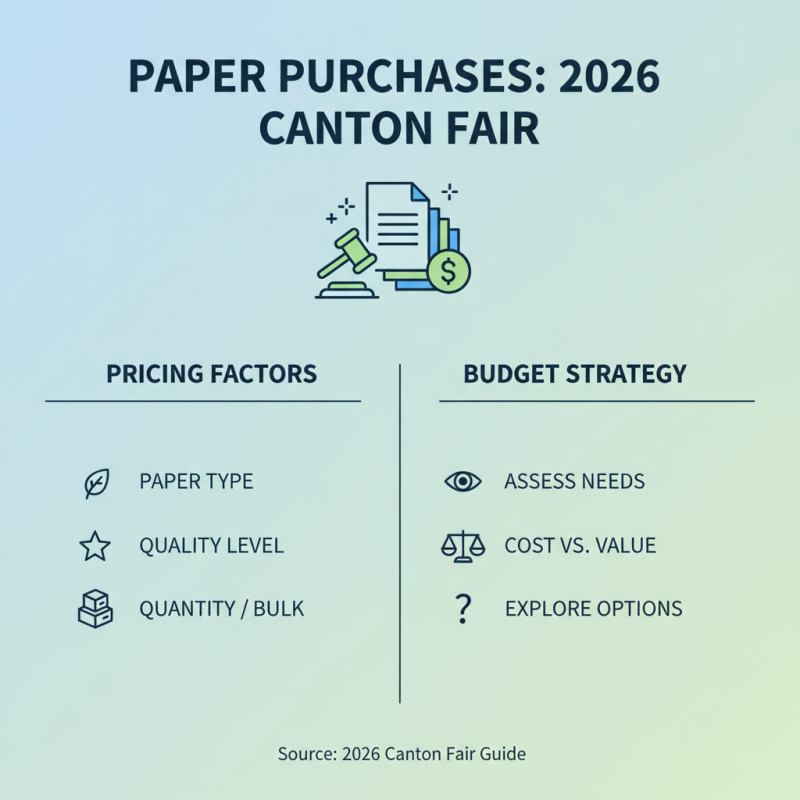
When attending the 2026 Canton Fair, understanding pricing is crucial. The cost of printing paper can vary widely. Different types of paper lead to different prices. Make sure to assess your needs carefully. High-quality paper often comes at a premium. But sometimes, less expensive options can meet your requirements.
Have a budget in mind before visiting. This will help narrow down your choices. Analyze the cost per ream or per sheet. Consider bulk purchasing to save money. It may require an upfront investment, but the long-term savings can be significant. Make sure to evaluate the best fit for your project.
Do not overlook hidden costs. Shipping and taxes can also affect your budget. Research market prices beforehand. Feeling overwhelmed is normal, especially with the many options available. Keep a list of priorities to maintain focus. It’s easy to get sidetracked by flashy designs and colors. Stick to your budget, and remember to take notes during your visits for further reflection.
Finding Reliable Suppliers and Manufacturers for Printing Paper
When attending the 2026 Canton Fair, finding reliable suppliers for printing paper is crucial. The industry has experienced fluctuations recently. According to a 2023 market analysis, the demand for high-quality printing paper rose by 15% in Asia. This increase underscores the need to connect with trustworthy vendors. Many suppliers may not meet quality standards.
Research is key before making decisions. Look for suppliers with solid reputations and customer reviews. Check their production capacities. A supplier's ability to handle large orders can be a red flag if they lack the necessary resources. Additionally, price does not always reflect quality. Some inexpensive options might not perform well, leading to costly mistakes over time.
Attending workshops at the fair can provide valuable insights. Learning about raw materials used in paper production might help in evaluation. Understand the differences between coated and uncoated papers. Many buyers overlook these specifics. Details matter immensely in this competitive market. Take the time to ask questions. Collect samples, and make informed comparisons.