How to Choose the Right Book Paper for Your Printing Needs?
Choosing the right book paper is crucial for your printing project's success. The type of paper affects not only the look but also the feel of the final product. Book paper comes in various textures, weights, and finishes, each suited for different purposes.
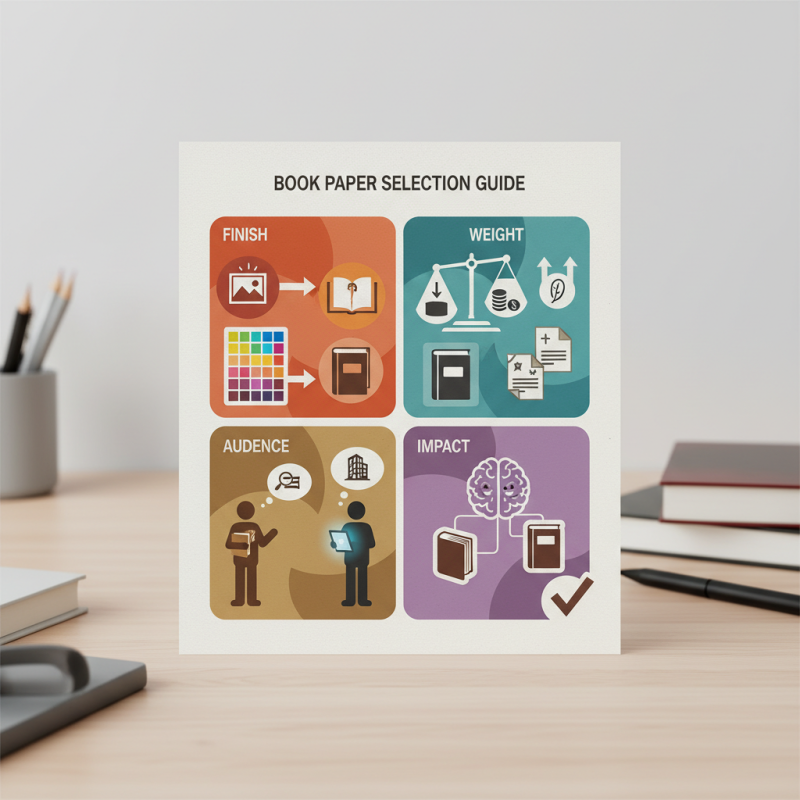
For example, a glossy finish enhances colors and is great for photo-driven books. A matte finish, on the other hand, can provide a classic look, perfect for novels. Weighing options can be challenging. Too heavy a paper can increase costs, while too light can impact durability.
Understanding your target audience is key. Are they likely to prefer a sturdy, textured feel or a sleek, modern appearance? Your choices can make a significant difference in reader engagement. Reflection on these aspects can lead to better decisions in book paper selection.
Understanding Different Types of Book Paper Available for Printing
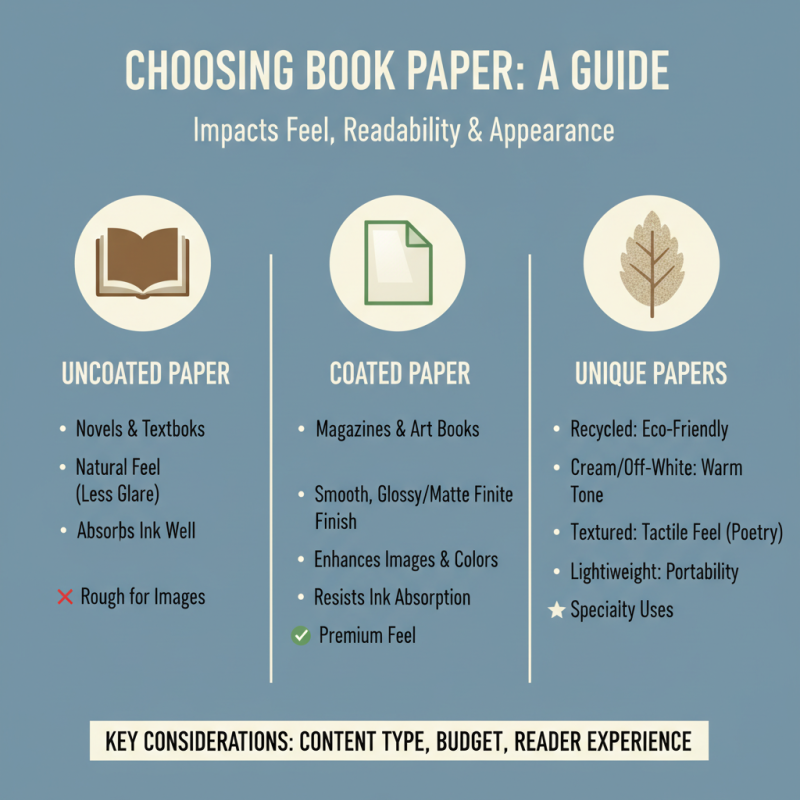
Choosing the right book paper can impact the final product significantly. Various types of book paper are available, each serving different purposes. For instance, uncoated paper is popular for novels and textbooks. It provides a natural feel and excellent readability. This type absorbs ink well, reducing glare. However, some find it too rough for images.
On the other hand, coated paper offers rich colors and sharp images. It’s ideal for art books or magazines. But it may cause glare under bright lights. Many might overlook the weight of the paper. Thicker paper feels more substantial, but it can increase printing costs. A common mistake is underestimating the importance of paper finish. Gloss, satin, and matte finishes all create different experiences.
There are also specialty papers, like recycled options. They appeal to eco-conscious readers, yet they may have a slightly different texture or weight. Understanding your target audience helps in making a suitable choice. It’s crucial to reflect on the purpose of the book and the message you want to convey. Each paper option has its benefits and drawbacks. Consider these factors carefully for successful printing.
Assessing the Purpose and Audience for Your Book
When selecting the right book paper, understanding your target audience is paramount. Think about the age group and interests of your readers. Younger audiences may appreciate brighter, more colorful pages, while adults might prefer subtle, textured options. The purpose of your book also shapes your choice. A cookbook needs grease-resistant paper, whereas a novel thrives on smooth, matte finishes.
Consider the type of content you will present. If your book features vibrant illustrations, glossy paper enhances colors. However, for text-heavy narratives, a lightweight, uncoated paper can be easier to read. Reflect on the overall experience you want to provide. Will readers feel engaged, or will they find themselves distracted? This thought process is crucial.
Quality doesn’t always equate to high cost. Sometimes, lower-grade paper can deliver a unique character. Test samples if possible. You might discover that what seems ideal is not as practical as it looks. Each option carries its advantages and drawbacks. Balancing these will lead to the most satisfying results.
Evaluating Paper Weight and Thickness for Optimal Quality
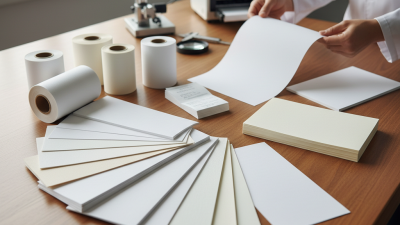
When choosing book paper, consider weight and thickness carefully. Paper weight is typically measured in grams per square meter (GSM). Heavier papers, around 140-300 GSM, can enhance the overall feel. They often improve durability and print quality. Thinner papers, under 100 GSM, are lighter but may not provide the same heft.
Thickness also plays a crucial role. A thicker paper can make colors appear richer and deeper. However, it may lead to added bulk. Think about your binding method. Some binding requires thinner papers for flexibility. And remember, what works for one type of book may not work for another. It’s a balancing act.
Take your time evaluating samples. What feels good in hand? Do the pages turn smoothly? Not all choices will be perfect. It’s okay to revisit your initial thoughts. Consider the end-use: is it an art book, a novel, or something else? Each has unique demands. Reflecting on your needs can lead to better choices in the end.
Considering Print Techniques and Finishing Options
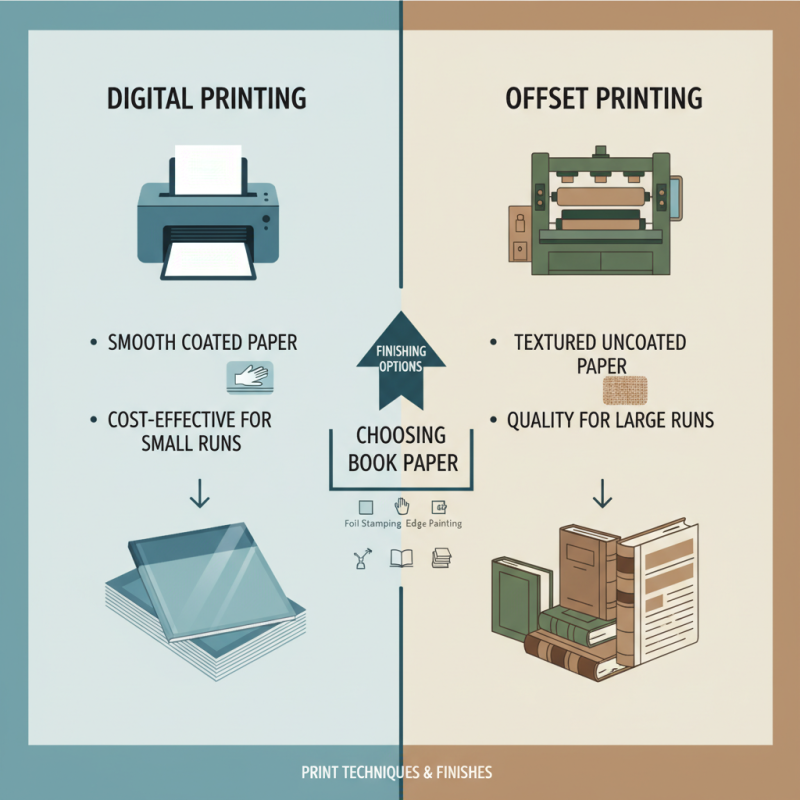
Choosing the right book paper involves understanding print techniques and finishing options. Different printing methods require specific paper qualities. For instance, digital printing thrives on sheets with a smooth surface. Offset printing, in contrast, performs well using textured papers. The choice of printing method can impact not only the final look but also the cost.
Finishing options play a vital role in the decision-making process. Coatings such as gloss, matte, or satin can transform paper’s appearance. According to industry reports, 70% of consumers prefer a matte finish for books. This choice affects the tactile experience and readability. However, too much gloss can create glare, making reading difficult.
Special finishes, like embossing or foil stamping, add a unique touch. Still, these techniques can significantly increase production costs. It’s essential to weigh aesthetic appeal against budget constraints. Many print projects fail to account for these expenses upfront, impacting overall quality. Balancing print techniques with the right finishing options can be tricky but crucial for achieving the desired result.
Environmental Impact and Sustainability in Paper Choices
Choosing the right paper for printing goes beyond aesthetics. It’s crucial to consider environmental impacts. According to a 2021 report by the Paper Industry Association, over 60% of paper is made from recycled fibers. This statistic highlights the importance of sustainability in our choices.
Many consumers overlook the carbon footprint of paper production. A single ton of paper can generate up to 1.7 tons of CO2 emissions. This figure is alarming. If companies opt for eco-friendly papers, they could significantly reduce their environmental impact. Moreover, the Forest Stewardship Council (FSC) promotes responsible forest management. Choosing FSC-certified paper can help protect forests and maintain biodiversity.
However, not all recycled paper is created equal. Some contain harmful chemicals that can offset their benefits. It’s important for buyers to do thorough research. Transparency in sourcing and production practices is key. As consumers, we need to hold manufacturers accountable. There’s room for improvement, and every choice counts towards a more sustainable future.
How to Choose the Right Book Paper for Your Printing Needs? - Environmental Impact and Sustainability in Paper Choices
| Paper Type |
Weight (gsm) |
Opacity |
Sustainability Rating |
Usage |
| Recycled Paper |
80-120 |
High |
A+ |
Books, Notebooks |
| Uncoated Paper |
60-80 |
Medium |
B |
Magazines, Flyers |
| Coated Paper |
100-300 |
Low |
C |
Art Books, Brochures |
| Newsprint |
40-60 |
Very Low |
D |
Newspapers |
| Paper from Sustainable Forests |
70-150 |
Medium to High |
A |
Books, Stationery |