How to Choose the Best Office Paper for Your Business Needs?
Choosing the best office paper for your business needs is crucial in today's digital age. Despite the rise of digital communication, a significant 80% of businesses still rely on printed materials, according to the National Paper Trade Association. This reliance shows the importance of selecting the right office paper to enhance efficiency and professionalism.
Expert insights play a key role in this decision. Dr. Jane Hollis, a renowned paper industry specialist, once stated, "The quality of office paper can significantly affect your brand's image." Selecting the right paper is not just a mundane task; it can reflect your business values and affect client perceptions. Factors such as weight, brightness, and finish are essential considerations.
Many businesses often overlook the environmental impact of their paper choices. Sustainable options can be more expensive but may align better with modern corporate responsibility goals. The challenge lies in balancing cost and quality while meeting eco-friendly standards. Recognizing these subtleties will help ensure that your office paper selections support both functionality and your business's mission.
Identifying Your Business Paper Needs and Objectives
When selecting the right office paper, businesses should assess their specific needs and objectives. According to the Paper and Paperboard Packaging Environmental Council, 69% of businesses report using multiple types of paper for different functions. Understanding the unique requirements of each department is essential. For instance, marketing materials may require glossy finishes, while internal documents benefit from standard printer paper.
Evaluating the volume of paper usage is critical. For instance, the average office worker uses about 10,000 sheets of paper per year, according to the Environmental Protection Agency. This statistic highlights the importance of sourcing durable, cost-effective paper that aligns with business goals. Consider the sustainability of the paper as well. Businesses that prioritize eco-friendly options may experience a positive brand perception.
Quality also matters. A study by the International Journal of Management reviews how paper quality significantly impacts efficiency. Low-quality paper can lead to jams and delays, resulting in wasted time and resources. Therefore, assessing your objectives and aligning them with proper paper selection can enhance productivity and reduce costs in the long run.
Understanding Different Types of Office Paper Available
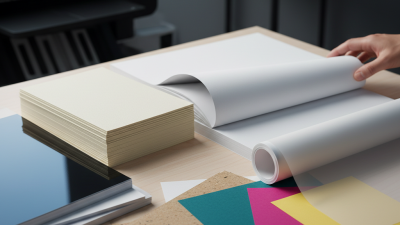
Choosing the right office paper is crucial for any business. Different types of paper serve various needs. For instance, standard copier paper is great for everyday printing, while premium paper can enhance your presentations. Understanding paper weight and brightness is vital. Paper weight affects its durability and feel. A heavier weight usually conveys professionalism.
When buying paper, consider texture and finish. Smooth paper is ideal for high-quality color printing. Textured paper can add an elegant touch. However, using high-end paper for simple tasks may not be cost-effective. Reflect on your actual needs before purchasing, as sometimes less expensive options perform equally well.
When managing printing tasks, strive for a balance between quality and cost. Look for paper that fits your environment and aesthetic. Maintain a stock that covers various tasks. Regularly review your paper selection to avoid wastage. You may find that adjusting your choices can lead to significant savings and better results in your document presentation. It’s always a learning process in the quest for the perfect office paper.
Assessing Paper Quality and Environmental Impact
When selecting office paper, the consideration of quality and environmental impact is essential. Paper quality affects printing results and overall professionalism. High-quality paper reduces smudging and enhances print clarity. You might think all paper is the same, but there are significant differences. Consider weight, texture, and opacity when making your choice.
Environmental factors also play a vital role. Sustainable practices are more important than ever. Look for paper sourced from responsibly managed forests. This can significantly lessen your company’s environmental footprint. Recycled paper is another option that reduces waste and energy consumption in production. However, some recycled papers may not offer the same performance as virgin paper.
Often, businesses overlook these aspects in favor of cost. Cutting corners on paper quality can reflect poorly on your brand. Finding a balance is crucial. You may need to experiment with different types to see what fits both your needs and values. A thoughtful choice in paper can demonstrate your commitment to sustainability without sacrificing quality.
How to Choose the Best Office Paper for Your Business Needs?
| Paper Type |
Weight (g/m²) |
Brightness (%) |
Texture |
Recycled Content (%) |
Environmental Certification |
| Copy Paper |
80 |
92 |
Smooth |
30 |
FSC Certified |
| Printer Paper |
90 |
96 |
Glossy |
50 |
PEFC Certified |
| Business Card Stock |
250 |
90 |
Linen |
100 |
ISO 14001 |
| Photo Paper |
200 |
98 |
Satin |
0 |
EU Ecolabel |
Evaluating Cost-Effectiveness of Various Paper Options
When evaluating the cost-effectiveness of various paper options, it’s essential to consider the long-term impact. Low-priced paper may seem attractive initially, but its quality can lead to more frequent jams in printers. This can disrupt workflow, causing additional costs. A paper type that costs slightly more might save time and resources in the long run. Reduced wastage can offset the price difference.
Another factor is the environmental impact. Recycled paper typically comes at a higher price but reflects a commitment to sustainability. Many businesses today prioritize eco-friendly choices. However, it's vital to analyze whether this choice affects printing quality. Poor-quality recycled paper can result in frustrated employees who constantly deal with printing issues.
Lastly, think about bulk purchasing. Buying in larger quantities often lowers the per-sheet cost. Yet, this could lead to surplus stock if not planned correctly. Evaluate usage trends before committing to bulk orders. A well-informed decision considers not just the price but also the total impact on efficiency and sustainability in the office. Making the right choice in paper can enhance productivity and reinforce a company’s values.
Finding Reliable Suppliers for Office Paper Products
When it's time to choose suppliers for office paper products, reliability is key. A reliable supplier understands your business needs. They offer quality paper that enhances your workflow. Tightly packed reams, consistent texture, and weight create a seamless experience. Suppliers should provide samples for evaluation. This helps ensure their products meet your standards.
Engaging with potential suppliers is crucial. Ask about their sourcing process. Understanding where the paper comes from, and how it’s produced, builds trust. Document their delivery timelines. Could they meet your demands during peak periods? A reliable supplier stands firm even in challenging circumstances. Transparency in communication is essential.
Consider sustainability practices in your selection process. Eco-friendly papers are gaining traction. However, the term ‘sustainable’ can be misleading. Not all suppliers adhere to the same standards. Research their certifications and practices. Reach out to other businesses for feedback. This can provide invaluable insights and guide your decision-making.
Office Paper Usage by Type