Why You Should Choose the Right Copy Paper for Your Printing Needs
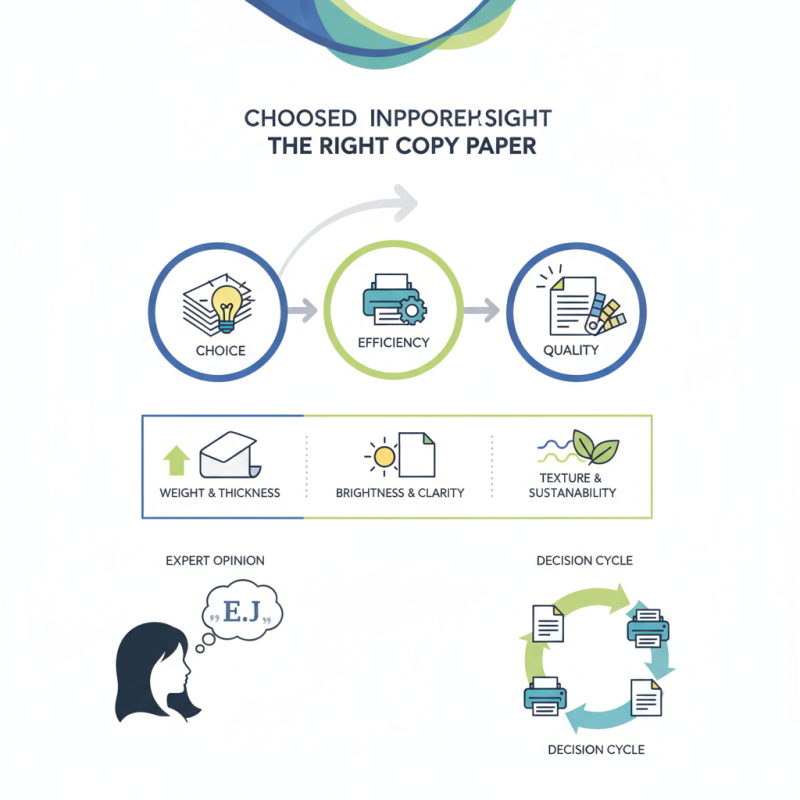
Choosing the right copy paper is a vital aspect of ensuring optimal printing quality and efficiency. According to Dr. Emily Johnson, a renowned expert in the paper industry, “Selecting the appropriate copy paper not only enhances the clarity and vibrancy of your prints but also extends the lifespan of your printing equipment.” In an era where businesses and individuals rely heavily on printed materials, understanding the characteristics of different copy paper types can significantly impact the overall outcome of any project.
Copy paper is more than just a blank sheet; it greatly influences the presentation of your documents, the vibrancy of colors, and even the performance of printers. Low-quality paper can lead to paper jams and print defects, wasting both time and resources. Therefore, it is imperative to be aware of the various factors such as weight, brightness, and texture when making a choice. A well-informed decision not only enhances the visual appeal of printed materials but can also contribute to sustainability efforts by selecting products that are environmentally friendly.
In summary, the significance of choosing the right copy paper cannot be overstated. As Dr. Johnson emphasizes, what may seem like a minor decision can have far-reaching effects on print quality and operational efficiency in any setting, making it essential to pay attention to the details when selecting copy paper for your printing needs.
Understanding the Importance of Paper Weight in Print Quality
Choosing the right copy paper is crucial for achieving optimal print quality, and understanding paper weight plays a vital role in this process. Paper weight affects not only the feel and durability of the printed material but also influences ink absorption and color vibrancy. A report from the Paper and Printing Industries Sector indicates that the paper weight you select can significantly impact overall print clarity, with heavier weights often producing sharper images and more vibrant colors.
For instance, using a 24 lb weight paper instead of a standard 20 lb can enhance the color saturation and provide more robust handling.
When selecting paper, it's essential to consider the specific requirements of your printing tasks. For everyday printing, 20 lb paper is often sufficient, but for professional-grade documents, presentations, or marketing materials, opting for 28 lb or heavier can dramatically improve perception and quality.
Tips: Always test different paper weights with your printer to determine the best fit for your project. If you're printing high-resolution images, a heavier weight with a smoother finish will generally yield better results. Additionally, ensure your printer settings are adjusted accordingly to accommodate the thickness of the paper being used, as this can further enhance the print quality.
The Impact of Brightness and Whiteness on Color Accuracy
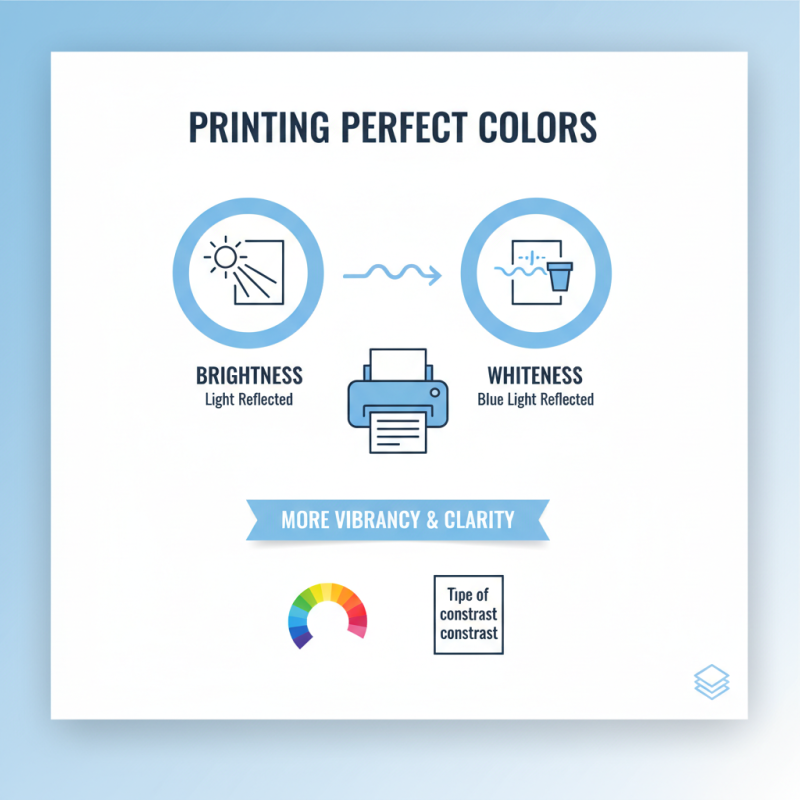
When it comes to printing documents, brightness and whiteness are crucial factors that significantly impact color accuracy. Brightness refers to the amount of light reflected from the paper's surface, while whiteness measures how much blue light is reflected, influencing the overall perception of color. A higher brightness and whiteness level can enhance the vibrancy and clarity of colors, making images and text stand out more prominently.
Choosing the right paper with optimal brightness and whiteness can make a considerable difference in the final output. For example, a paper that possesses high brightness levels allows for better contrast, which is essential for vivid colors in photographs and sharp text in presentations. Meanwhile, a balance in whiteness will ensure that the colors printed do not appear dull or muted. Using paper with inadequate brightness or whiteness can lead to color distortions, affecting the overall quality and professionalism of printed materials. Thus, understanding these parameters is vital for achieving the best results in any printing endeavor.
Comparing Coated vs. Uncoated Paper for Various Printing Techniques
When it comes to selecting the right copy paper for your printing needs, understanding the differences between coated and uncoated paper is crucial.
Coated paper, often glossy or matte, features a surface treatment that enhances color vibrancy and image sharpness. This makes it an excellent choice for high-quality prints, such as photographs and marketing materials where visual appeal is paramount. The smooth finish allows for better ink adherence, resulting in richer colors and crisp details, which is particularly beneficial for techniques like digital printing and offset printing.
On the other hand, uncoated paper provides a more natural and tactile feel, making it ideal for everyday documents, stationery, and publications where readability and texture are priorities. The absorbent quality of uncoated paper allows ink to seep in, creating a softer appearance that can be advantageous for applications like letterheads and brochures. Additionally, it is often more environmentally friendly, appealing to those who prioritize sustainability in their printing choices. Ultimately, the decision between coated and uncoated paper should align with the intended purpose of the print job, ensuring the final product meets both aesthetic and functional requirements.
Cost-Effectiveness: The Long-Term Savings of Choosing Quality Paper
When it comes to printing, the choice of paper may seem trivial; however, the long-term savings associated with selecting quality copy paper are significant. Investing in high-quality paper can reduce issues such as jams and smudging, which often necessitate reprints, thereby incurring additional costs. By choosing the right type of paper for your specific printing needs, you can minimize waste and improve efficiency, ultimately saving money on both materials and labor.
Moreover, quality copy paper can enhance the final output of your printed materials. Documents printed on superior paper often exhibit sharper images and clearer text, which can reflect positively on your brand's image. In contrast, using cheaper alternatives may lead to dissatisfaction both for you and your audience, leading to the need for reprints. Thus, while the initial cost of quality paper may be higher, the durability, performance, and potential for fewer reprints result in notable long-term cost-effectiveness. In scenarios where professional presentation matters, quality paper pays off, making it a wise investment for both personal and business printing needs.
Why You Should Choose the Right Copy Paper for Your Printing Needs - Cost-Effectiveness: The Long-Term Savings of Choosing Quality Paper
| Paper Type |
Price per Ream ($) |
Pages per Ream |
Cost per Page ($) |
Quality Rating (1-5) |
| Standard Copy Paper |
5.00 |
500 |
0.01 |
3 |
| High-Quality Printing Paper |
10.00 |
250 |
0.04 |
5 |
| Recycled Paper |
6.50 |
500 |
0.013 |
4 |
| Photo Paper |
15.00 |
100 |
0.15 |
5 |
| Cardstock |
12.00 |
250 |
0.048 |
4 |
Environmental Considerations: Sourcing Sustainable Copy Paper Options
When selecting copy paper, considering its environmental impact is crucial. Traditional paper production often involves deforestation, water pollution, and high energy consumption. By choosing sustainable options, you can significantly reduce your carbon footprint. Sustainable copy paper is typically sourced from responsibly managed forests, which ensures that the ecological balance is maintained and that wildlife habitats are protected. This not only helps in conserving biodiversity but also promotes eco-friendly forestry practices.
In addition to being sourced from sustainable forests, many eco-friendly papers are made using recycled materials. This not only minimizes waste but also reduces the demand for virgin pulp, conserving natural resources. Furthermore, opting for paper that is certified by reputable environmental organizations can add an extra layer of assurance that the product meets stringent sustainability criteria. By prioritizing sustainable copy paper, businesses and individuals can contribute to a greener planet while still fulfilling their printing needs efficiently.