How to Choose the Best Receipt Paper for Your Business Needs?
Choosing the right receipt paper is crucial for any business. The type of receipt paper you select affects your customer experience and the efficiency of your operations. Factors such as durability, cost, and compatibility with printers play significant roles in this decision.
When evaluating receipt paper, consider its quality and reliability. Poor quality paper can smudge or fade, impacting record-keeping. It's vital to assess whether thermal paper or bond paper suits your needs better. Each type has unique characteristics that affect performance and longevity.
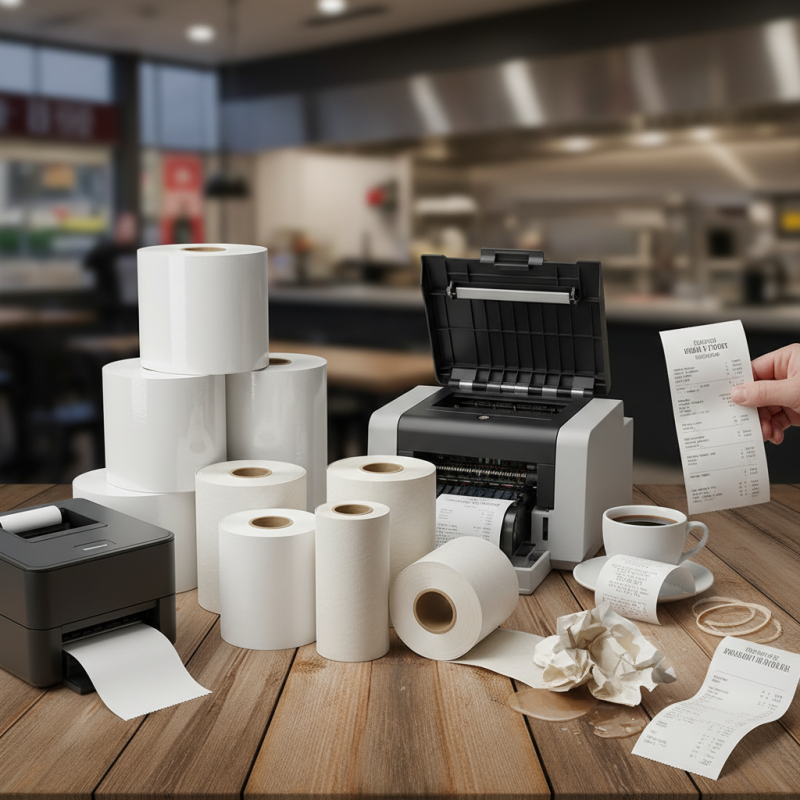
Think about your specific use cases. Retail shops may prioritize fast printing speeds and clear visibility. Restaurants might need paper that withstands spills and stains. Reflect on your business's unique challenges and how the right receipt paper can enhance your overall service.
Types of Receipt Paper for Different Business Applications
When selecting receipt paper, consider the specific needs of your business. Different types of receipt paper cater to various applications, so understanding these can enhance your operations. For retail businesses, thermal paper is a popular choice. It offers quick printing and does not require ink. This can speed up transactions during busy hours.
For businesses that need durable receipts, carbonless paper is ideal. It creates multiple copies at once. This is useful for services like automotive repairs or restaurants where keeping a record is essential. However, it is important to store this type of paper away from moisture. It may damage the prints.
One might consider using plain paper for some applications. It allows for flexibility, especially in offices needing to print various documents. Customization is possible but may take extra time. Each option has pros and cons, and it’s beneficial to evaluate the expected volume and type of transactions your business handles before making a decision. Reflecting on these factors can lead to better choices.
How to Choose the Best Receipt Paper for Your Business Needs?
| Type of Receipt Paper |
Application |
Recommended Thickness |
Key Features |
| Thermal Paper |
Point of Sale Receipts |
50-70 gsm |
Quick printing, no ink required |
| Bond Paper |
Invoicing and Accounting |
80-120 gsm |
High durability, good for records |
| Multipurpose Paper |
General Use |
70-90 gsm |
Versatile, can be used for various purposes |
| Carbonless Paper |
Duplicating Receipts |
80-120 gsm |
Creates copies without a carbon sheet |
| Self-Adhesive Paper |
Labels and Stickers |
90-120 gsm |
Peel and stick convenience |
Factors to Consider When Selecting Receipt Paper Quality
Choosing the right receipt paper for your business can be challenging. Quality is crucial. It impacts customer perception and overall satisfaction. Various factors determine the paper's quality.
Consider brightness and thickness. Brightness affects print clarity, making receipts easy to read. Thicker paper often feels more substantial, enhancing customer trust. Weight can also indicate quality. Lightweight paper might lead to smudging or tearing, which can frustrate customers.
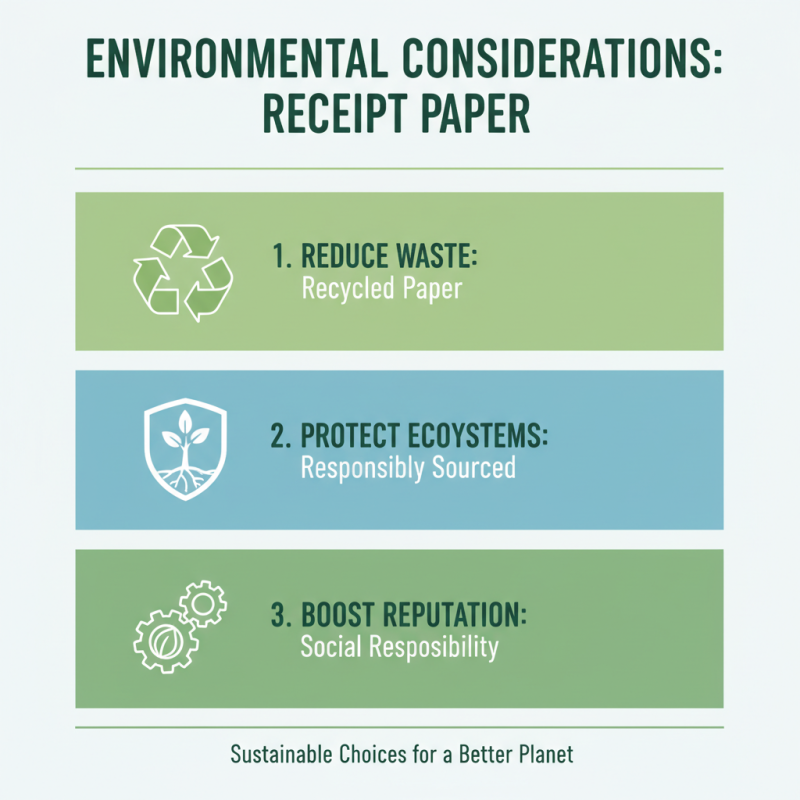
Additionally, evaluate the printing technology you use. Thermal printers require specific thermal paper. Standard printers need this paper too. Not all businesses realize the importance of using the right paper to avoid technical issues. Think about environmental impact as well. Recycled paper can be a sustainable choice, but it might not always meet quality expectations. Reflect on how these factors align with your business goals.
Understanding Receipt Paper Size and Compatibility
Choosing the right receipt paper for your business involves understanding the sizes available and their compatibility with your printers. Receipt paper typically comes in various widths, such as 58mm and 80mm. These dimensions directly affect how receipts appear to customers. If your receipt printer only accepts specific sizes, you'll need to match your paper choice accordingly.
Compatibility is crucial. Not all printers can handle all paper types. For instance, thermal printers require thermal paper, while dot matrix printers need multi-part forms. Knowing your printer specifications helps ensure you select the correct paper type. This minimizes frustration and can prevent costly errors in your operations.
Make sure to check the thickness of the receipt paper as well. Thicker paper may feel more substantial but might not work well with all printers. Conducting tests before purchasing larger quantities can save time and money. Reflect on your own experiences with print quality and durability. Small details, like ink smudging or paper jams, can significantly impact customer satisfaction and your business’s image.
Evaluating the Cost and Durability of Receipt Paper Options
When selecting receipt paper, cost and durability are crucial. Companies often face the dilemma of balancing quality with budget constraints. According to industry reports, the average price of thermal receipt paper ranges from $20 to $50 per case. While cheaper options may be tempting, they often compromise durability. Low-quality paper tends to smudge or fade quickly, impacting the overall customer experience.
Durability is measured in terms of lifespan and resistance to environmental factors. High-quality thermal paper lasts longer and withstands exposure to heat or moisture. Research shows that receipts can fade in as little as a few months if made with subpar materials. In contrast, premium receipts maintain their legibility for years. This trade-off between upfront costs and longevity can affect accounting practices for many businesses.
Furthermore, sustainability is becoming a vital consideration. Many companies are shifting toward eco-friendly options, which might carry a higher initial cost. Yet, the long-term benefits include reduced waste and enhanced brand reputation. It's worth questioning whether the cheaper alternatives are truly cost-effective or if investing a bit more now could yield better results down the line.