How to Choose the Best Copy Paper for Your Business Needs?
Choosing the right copy paper is essential for any business. The quality of copy paper can impact everyday tasks, from printing reports to preparing presentations. A reliable copy paper ensures clear text and vibrant images, enhancing your brand's professionalism.
Different types of copy paper exist. Each has unique features and purposes. For instance, some papers are heavier, providing a sturdier feel, while others are lighter and more suited for everyday printing. Businesses often overlook paper weight, which plays a crucial role in printing quality.
It’s worth assessing your business needs. Consider the volume of printing and the type of documents you produce. Reflect on the environmental impact too. Many companies opt for recycled paper to promote sustainability. Finding the perfect copy paper isn’t always straightforward. But with careful consideration, the right choice can greatly benefit your business operations.
Understanding Different Types of Copy Paper Available in the Market
When selecting copy paper for your business, it's vital to understand the various types available. Standard copy paper generally comes in three categories: multipurpose, inkjet, and laser paper. According to the Print Industries Market Information and Research Organization, multipurpose paper accounts for over 60% of the market. This type works well for everyday printing, from documents to reports.
Inkjet papers are designed specifically for inkjet printers. They often have a coated finish, enhancing color vibrancy. This feature boosts image quality but may increase costs. Reports indicate inkjet paper can be up to 50% more expensive than standard multipurpose paper. Meanwhile, laser paper is optimized for laser printers. It has a heavier weight and a smoother surface. The weight typically ranges from 20 to 32 lb, affecting the print quality, especially for text-heavy documents.
Revisiting your business's needs is essential. Don't just choose based on price. Consider how often you print and the types of documents you produce. A blend of different paper types may serve you well, but balancing cost with quality is crucial. A study from the Paper and Paper Products Market suggests businesses often overlook the long-term benefits of investing in higher-quality paper. This reflection can lead to more effective communication and a stronger brand presence.
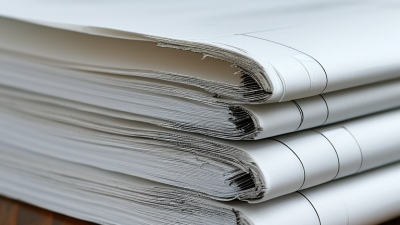
Types of Copy Paper by Weight
Evaluating Paper Weight and Brightness for Optimal Performance
Choosing the right copy paper requires careful consideration of paper weight and brightness. Paper weight is often measured in grams per square meter (gsm). Heavier paper generally feels more substantial and can produce higher quality prints. For business documents, a weight of 80-100 gsm is common. This range strikes a balance between durability and affordability.
Brightness is another crucial factor. It refers to how reflective the paper is. Higher brightness levels make colors pop and text sharper. For presentations and marketing materials, opt for paper with a brightness of at least 90. However, excessively bright paper can cause glare under certain lighting. Finding the ideal balance is vital.
Understanding your specific needs is essential. Different tasks may require different paper types. Consider what you print most often and the impression you wish to convey. For everyday use, standard weight and brightness may suffice. For special projects, invest in higher quality options. Be mindful of the environmental aspects as well. Always look for paper that is sustainably sourced.
Assessing Cost-Effectiveness and Bulk Purchase Options
When assessing cost-effectiveness in copy paper, businesses must consider several factors. The average price of high-quality copy paper can range from $4 to $10 per ream, depending on its specifications. Bulk purchasing often reduces costs significantly. For instance, purchasing 10 reams may drop the price per ream by 20%. This is an important consideration for any office looking to cut expenses.
However, it's also crucial to evaluate the paper’s performance. A study from the Paper and Paperboard Packaging Environmental Council found that almost 30% of businesses reported decreased efficiency using low-quality papers. Higher quality paper often leads to fewer jams in printers and better print quality. Yet, with bulk purchases, some may compromise quality for lower prices. This trade-off can impact business operations negatively.
Businesses should assess their specific needs before making bulk purchases. Is the quality worth the potential price drop? Failing to consider the environmental impact of paper choices can also be regrettable. Sustainable options are increasingly available, with recycled paper accounting for around 30% of the market. More businesses are recognizing the importance of balancing cost with environmental responsibility. Each decision reflects not only on immediate cost but also on long-term sustainability.
Considering Environmental Impact and Sustainability of Paper Choices
Choosing paper for your business involves more than just price and quality. Environmental impact is crucial. The global paper industry contributes significantly to deforestation, with over 420 million trees cut down annually for paper production. This has raised concerns about sustainability and biodiversity. Businesses must consider their paper choices carefully.
Research indicates that recycled paper can reduce energy consumption by 60% compared to virgin paper. Using recycled materials can also cut greenhouse gas emissions by as much as 50%. However, not all recycled papers are equal. Certain types may lead to lower quality prints or different paper characteristics. Balancing quality and sustainability can be challenging.
Incorporating eco-friendly practices can enhance a company’s reputation. Clients increasingly prefer brands that prioritize sustainability. Nevertheless, some businesses face difficulties in sourcing quality sustainable paper. They need to weigh options and consider the long-term benefits versus immediate costs. Making informed choices can lead to better environmental outcomes and align a business with modern consumer values.
Identifying Specific Business Needs and Usage Scenarios for Copy Paper
Choosing the right copy paper for your business starts with understanding your specific needs. Consider the types of documents you'll be printing. For example, newsletters require a different weight and finish than standard memos. If you're frequently printing presentations, opt for a heavier stock that enhances visual appeal.
Evaluate your usage scenarios as well. Will you be printing high volumes or just a few sheets daily? High-volume printing may benefit from cost-effective options, while smaller volumes might allow for more premium choices. Also, consider the print technology you use. Inkjet and laser printers can produce different results on various paper types.
Tips can help refine your choices. Always check the weight and brightness of the paper. A paper that's too light may lead to smudging. Additionally, test different finishes for the best output. Glossy paper can enhance colors but may not be suitable for text-heavy documents. Always keep a balance between quality and cost-effectiveness.