What are the Best Tips for Choosing Bond Paper?
Choosing the right bond paper is crucial for many industries. Bond paper, known for its durability and quality, is often used for important documents. According to the Paper and Paperboard Packaging Environmental Council, around 20% of all paper consumed in the U.S. is bond paper. This figure highlights its significance in commercial and business settings.
Expert in paper manufacturing, John Smith, emphasizes, “The choice of bond paper can impact the professionalism of a document.” His insights remind us of the importance of selecting the right type. Different weights and textures can affect how a paper feels and performs. Higher weight papers convey a sense of importance, while a smooth finish can enhance printing quality.
However, many users overlook details when selecting bond paper. They may prioritize price over quality or fail to consider environmental certifications. Getting it right ultimately influences impressions and communication. In today’s competitive landscape, it’s essential to reflect on how bond paper choices can affect your image and message.

Understanding Bond Paper: Definition and Characteristics
Bond paper is a unique type of paper that is widely used for a variety of printing and writing needs. It is known for its durability and high-quality finish. The weight of bond paper typically ranges from 16 to 32 pounds. This makes it significantly sturdier than standard copy paper. The thickness and texture of bond paper give it a professional feel that is excellent for important documents.
The characteristics of bond paper set it apart from other types. It has a smooth surface, ensuring a clean printing experience. Colors also come into play, as bond paper is available in a range of shades. However, it's essential to choose the right color for your project, which can sometimes be overlooked. The paper's opacity should also be considered; nobody wants to deal with ink bleeding through. Sometimes, factors like brightness and fade-resistance are not prioritized, leading to frustrating outcomes.
When selecting bond paper, pay attention to your project's specific needs. Paper that looks beautiful might not work for heavy ink usage. Testing samples first could prevent mistakes. The feel of the paper is just as crucial; the wrong choice can give the wrong impression. Remember, the little details can make a significant impact, but they can also lead to regrets if not considered carefully.
Factors to Consider When Choosing Bond Paper
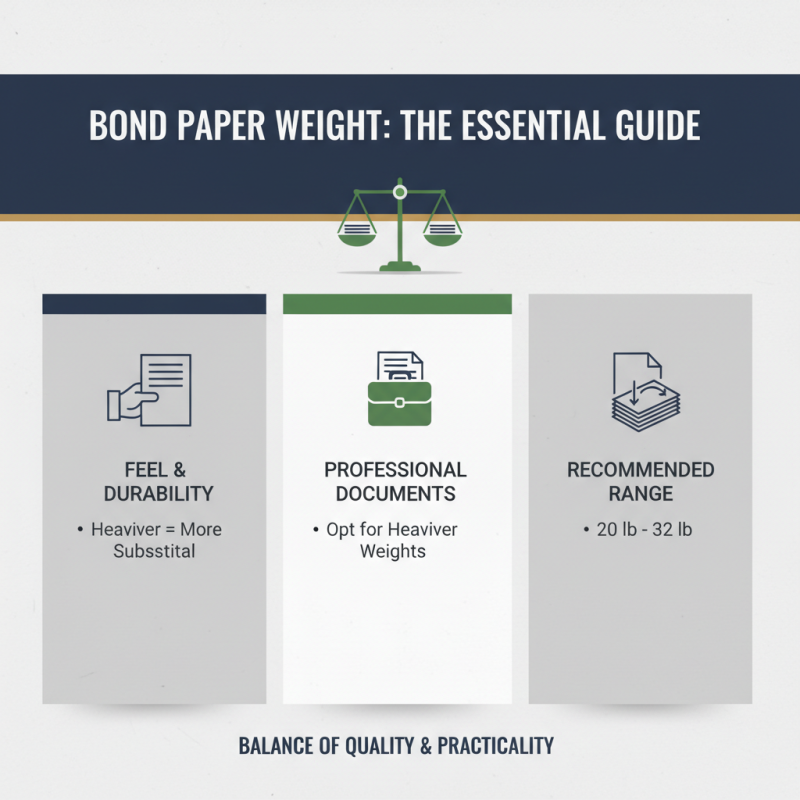
When choosing bond paper, consider the weight. The weight affects the paper’s feel and durability. Heavier paper is often more suitable for professional documents. A typical choice is around 20 lb to 32 lb weights. This range provides a good balance.
Another factor is brightness. Bond paper comes in different brightness levels. A brighter paper can make colors stand out. It can create a more vibrant look for printed materials. However, bright paper can sometimes be glaring. Choose a brightness level that fits your project’s tone.
Texture is also essential. Smooth textures are ideal for printing sharp text. Conversely, textured papers can add visual interest. Reflect on how the texture will influence your final product. When selecting bond paper, take your time to compare options. Hold samples in your hands. Feel the weight and texture. Ultimately, the right choice enhances your project’s overall quality.
Different Weights and Sizes of Bond Paper Explained
When it comes to choosing bond paper, understanding its weights and sizes is essential. Bond paper typically ranges from 16 to 36 pounds in weight. A lighter bond, such as 20 lb, is ideal for everyday printing. It’s less expensive and offers decent quality for internal documents. In contrast, 32 lb bond paper feels more substantial. It’s perfect for professional presentations or reports that demand a more polished look.
The sizes of bond paper also matter. Standard sizes like Letter (8.5 x 11 inches) or Legal (8.5 x 14 inches) are common for many uses. However, larger sizes can be beneficial for spreadsheets or charts. Many industry experts suggest that larger sizes make your documents stand out. Yet, not every printer can handle oversized sheets. This mismatch can lead to wasted materials and frustration.
Additionally, understanding the texture is crucial. Smooth bond paper is great for high-quality printing, while textured options can add an interesting feel. Often, consumers overlook these details. Ignoring the right weight or size can diminish the document's impact. A recent study revealed that 45% of users faced issues due to improper choice of bond paper. It's a reminder that attention to detail is key.
What are the Best Tips for Choosing Bond Paper?
| Weight (gsm) |
Common Uses |
Size (inches) |
Finish Type |
| 75 gsm |
Letterhead, Envelopes |
8.5 x 11 |
Smooth |
| 90 gsm |
Business Cards, Flyers |
8.5 x 11 |
Matte |
| 120 gsm |
Brochures, Reports |
8.5 x 14 |
Glossy |
| 160 gsm |
Posters, Invitations |
11 x 17 |
Silk |
| 200 gsm |
Portfolio Covers, Business Cards |
5 x 7 |
Textured |
Common Uses and Applications of Bond Paper
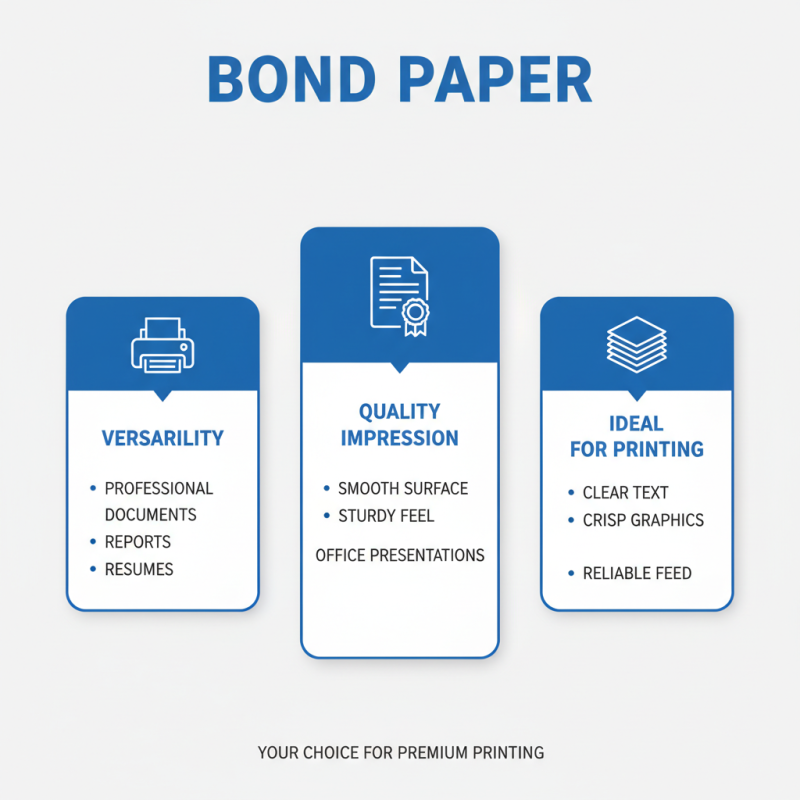
Bond paper is often chosen for its versatility in various contexts. Its smooth surface makes it ideal for printing professional documents, reports, and resumes. Many offices prefer this type of paper for their crucial presentations. The weight of bond paper also ensures a sturdy feel, adding to the impression of quality.
In addition to office use, bond paper finds applications in creative projects. Artists and designers utilize it for sketching and drafts. The paper holds ink well, preventing smudging. However, not all bond paper is the same. Some may not hold up under heavy ink use. It’s vital to test a sample first, especially for important projects.
Schools often opt for bond paper for student assignments. It allows for easy handling and is available in various sizes. Some teachers prefer it for its ability to give feedback with clarity. Yet, it’s worth considering that bond paper may not be the most eco-friendly option. Reflecting on these aspects can guide users in making thoughtful choices.
Tips for Purchasing Bond Paper: Where to Buy and What to Look For
When purchasing bond paper, knowing where to buy it is key. Many options exist, from local stationery stores to online retailers. Check local shops for immediate availability. You can see the paper quality firsthand. Online options may offer more variety. However, it's tougher to judge texture and weight through a screen.
Consider what you need from bond paper. Different weights—like 20lb or 24lb—serve various purposes. Heavier paper feels more professional. Lighter paper is great for drafts. Look for brightness too; a higher brightness number means clearer prints. However, keep in mind that too much brightness can reflect light poorly, making the text harder to read.
Don't overlook the finish. Smooth surfaces work best for crisp prints. Textured finishes can add character, but they may smudge more easily. Think about your project’s needs. Will it involve a lot of writing or just printing? Buy samples if uncertain. Testing paper before buying in bulk avoids future regrets. Be open to experimenting with different types. Finding the ideal bond paper can be a journey.
Best Tips for Choosing Bond Paper
This chart illustrates key characteristics to consider when choosing bond paper, including weight, opacity, brightness, and smoothness, helping you make an informed decision.