2026 Best Thermal Receipt Solutions for Global Buyers?
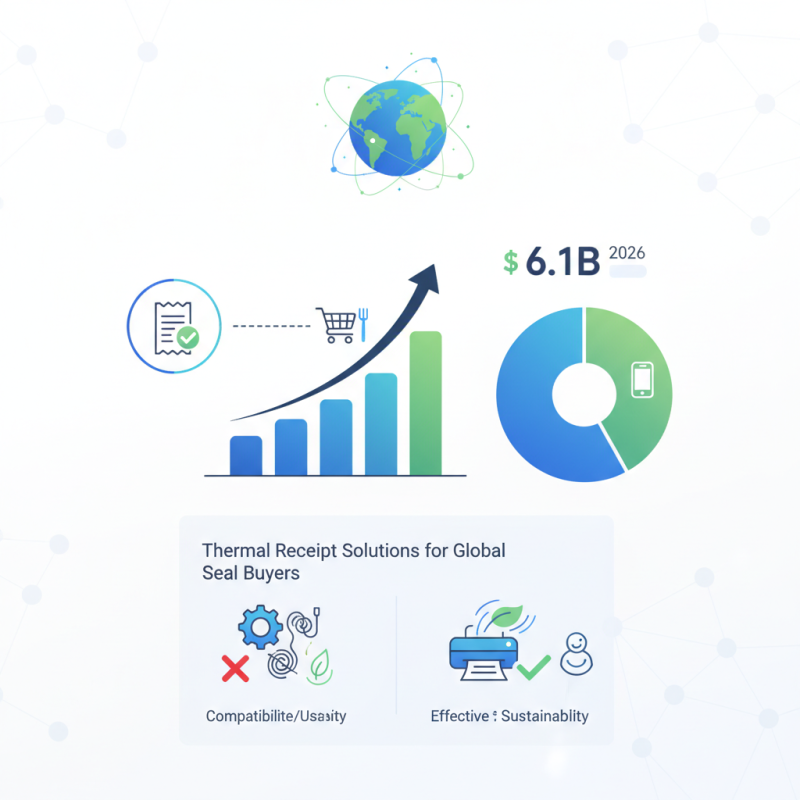
The demand for Thermal Receipt solutions is growing globally. A recent report indicates that the market for thermal printing systems could reach $6.1 billion by 2026. With advancements in technology, the need for effective and efficient solutions has never been clearer. Businesses require reliable receipts that enhance customer experience and streamline operations.
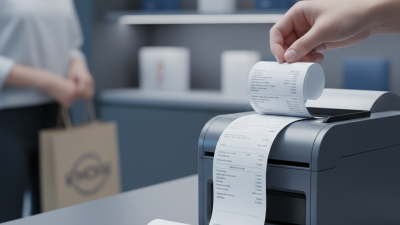
Thermal Receipts are essential in various sectors, including retail and hospitality. They provide clear and durable prints, critical for transaction records. Research shows that around 70% of consumers prefer electronic receipts, sparking innovation in thermal receipt solutions. However, not all solutions meet the environmental and usability standards necessary for modern consumers.
While many companies offer Thermal Receipt solutions, few stand out. Some products struggle with compatibility and user-friendliness. Others lack sustainability features, prompting a call for improvement. Identifying the right solution requires careful consideration. This guide aims to shed light on the best options available for global buyers in 2026.
Overview of Thermal Receipt Solutions Available for Global Markets
The global market for thermal receipt solutions has expanded rapidly. Businesses need reliable and effective options for printing receipts. Various types of thermal printers are available, each offering unique features. Some focus on speed while others emphasize energy efficiency. Choosing the right solution depends on specific business needs and customer expectations.
A common challenge is compatibility with existing systems. Not all thermal printers work seamlessly with every point-of-sale solution. Additionally, durability varies among models. Some printers are built for longevity, while others may require more frequent replacements. There are also concerns about the environmental impact of thermal paper and adhesives. Businesses are increasingly seeking eco-friendly alternatives.
Pricing remains a crucial factor in decision-making. High-quality printers can demand a premium, but lower-cost options often sacrifice functionality. It's essential to weigh upfront costs against long-term benefits. As companies navigate this landscape, understanding these dynamics will lead to better purchasing decisions. Staying informed about technology trends is vital.
Key Features to Consider When Choosing Thermal Receipt Printers
When choosing a thermal receipt printer, it's essential to consider several key features. Print speed ranks high on the list. A printer that produces receipts quickly boosts customer satisfaction during busy times. Efficiency matters greatly in retail and hospitality settings.
Print resolution is equally crucial. Clear, legible receipts reduce customer complaints and returns. Look for printers that offer at least 203 DPI. This detail can make a significant difference in readability. Connectivity options also play a vital role. Wireless capabilities allow for greater flexibility in setup and usage. Explore Bluetooth and Wi-Fi options, which can streamline operations.
Finally, consider ruggedness and reliability. Some printers may promise high performance but can struggle under heavy use. Frequent breakdowns can disrupt service and cost more in the long run. Look for user reviews regarding durability and maintenance. Selecting the right thermal receipt printer requires careful thought and consideration. Choose wisely to avoid unnecessary frustrations.
2026 Best Thermal Receipt Solutions for Global Buyers - Key Features to Consider When Choosing Thermal Receipt Printers
| Feature |
Description |
Importance |
Average Price (USD) |
| Print Speed |
Refers to the number of receipts printed per minute. |
High print speed reduces wait time for customers. |
150 - 300 |
| Connectivity Options |
Includes USB, Bluetooth, and Wi-Fi. |
Versatile connections allow for better integration with systems. |
75 - 250 |
| Durability |
Resilience against heat, moisture, and dust. |
Longer lifespan leads to reduced replacement costs. |
100 - 400 |
| Paper Width |
The width of thermal paper the printer can accept. |
Compatibility with various paper sizes increases usage flexibility. |
50 - 150 |
| User Interface |
Ease of use and navigation of the printer settings. |
A user-friendly interface decreases training time for staff. |
30 - 100 |
Comparative Analysis of Top Brands for Thermal Receipt Solutions
When it comes to thermal receipt solutions, numerous options are available. Each brand carries distinct features that may cater to different user needs. For example, some models focus on speed, providing quick printouts to keep the checkout line moving. Other solutions emphasize portability, perfect for businesses that operate in varied environments.
Quality is paramount in thermal paper. The longevity of printed receipts can vary significantly among brands. Some papers may fade quickly, compromising the legibility of critical information. It’s essential to consider how well the receipts withstand heat and humidity. Additionally, businesses should evaluate the eco-friendliness of the materials used in the solutions they choose.
Support and service are crucial aspects, too. Not all brands offer consistent after-sales support. A company might provide excellent print quality but lack in repair and maintenance services. This inconsistency can lead to downtime during busy periods. Buyers should seek solutions that not only print well but also come with reliable customer support.
2026 Best Thermal Receipt Solutions Comparative Analysis
This chart illustrates the performance comparison of various thermal receipt solutions across multiple key metrics such as print speed, reliability, cost-effectiveness, and user satisfaction.
Sustainability and Environmental Impact of Thermal Receipt Technology
Thermal receipt technology has transformed retail and service sectors. However, its environmental impact deserves closer scrutiny. Thermal receipts often use a chemical called BPA. This substance can potentially harm health and the environment. Many consumers are unaware of this risk.
Sustainability is a key concern for global buyers. The production and disposal of thermal paper contribute to pollution. Although some manufacturers offer BPA-free options, these still create waste. The recycling of thermal paper is complex and often not supported by local systems. A large amount of this paper ends up in landfills each year.
Alternatives exist, such as digital receipts. These reduce paper waste significantly. Yet, businesses face challenges in adopting these solutions. Technical infrastructure and consumer acceptance are major hurdles. A thoughtful approach is needed. This transition also demands increased awareness among consumers and retailers alike.
Future Trends Shaping the Thermal Receipt Industry by 2026
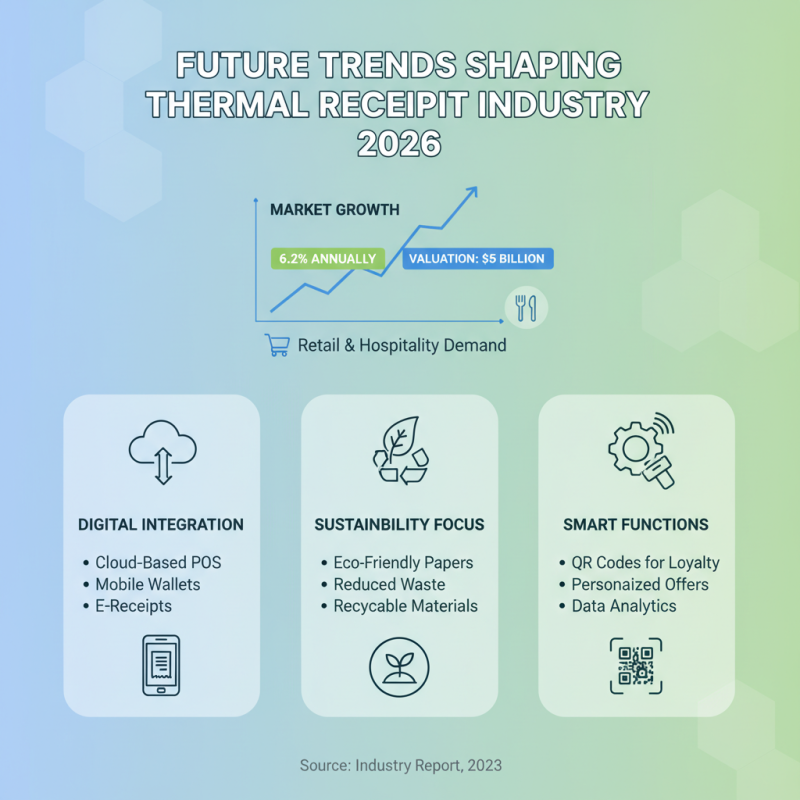
The thermal receipt industry is undergoing significant transformation. By 2026, key trends will redefine how businesses utilize thermal printing technology. According to a recent industry report, the market for thermal printing is expected to grow by 6.2% annually, reaching a valuation of $5 billion. This rapid growth reflects the increasing demand from various sectors, including retail and hospitality.
One major trend is sustainability. Businesses are seeking eco-friendly materials for thermal paper. Reports indicate that recycled thermal paper usage could increase by over 40% in the next few years. While this shift is promising, it also presents challenges. The availability and quality of recycled paper can vary. Companies need to invest in research and development to address these inconsistencies.
Moreover, the integration of cloud technology with thermal printing systems is set to rise. Data from industry experts suggest that over 70% of retail operations will employ cloud-based solutions by 2026. This shift can enhance efficiency but requires a reliable internet connection. Security concerns also arise with cloud integration, making data protection a priority. As the industry evolves, businesses must adapt to these emerging trends.