Best Paper Thermal Printer for Efficient Business Operations?
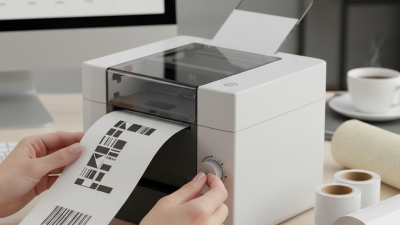
In today’s fast-paced business environment, choosing the right tools is crucial. Among these tools, a reliable Paper Thermal Printer stands out. This printer type is essential for companies aiming to enhance their operations and improve customer satisfaction. It produces sharp receipts and labels quickly, often within seconds.
Yet, not all models are equal. Some printers fail in busy settings, leading to delays. Businesses need to consider their specific needs. Factors like print speed, durability, and ease of use play vital roles in decision-making. A well-chosen Paper Thermal Printer can streamline operations, reducing wait times and boosting efficiency.
However, the market is flooded with options, making it challenging to select the best one. It’s a balancing act between cost and features. A paper thermal printer must provide reliability without breaking the bank. Exploring consumer reviews and expert opinions can guide this selection. A thoughtful approach can lead to a decision that enhances overall productivity while avoiding potential pitfalls.
Key Features to Consider in a Thermal Printer for Business Use
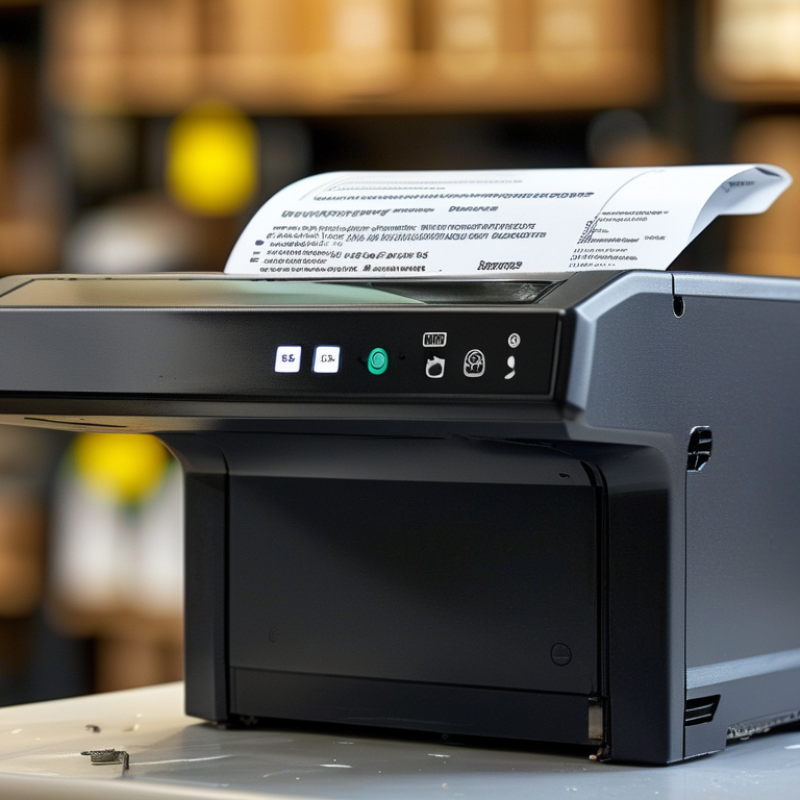
When selecting a thermal printer for business, it is crucial to consider several key features. The printing speed is vital. A faster printer helps streamline operations. Look for speeds of at least 200 mm per second. This can significantly impact customer service and transaction times.
Print quality also matters. High-resolution printing ensures invoices and labels are easy to read. A resolution of 203 DPI is standard. Clarity is essential, especially in busy environments. Poor quality can lead to mistakes and customer dissatisfaction.
Tip: Always check the printer's durability and warranty. Business environments are demanding. Choose a printer built to withstand heavy use. You don’t want frequent breakdowns disrupting workflow.
Connectivity options should not be overlooked. USB, Bluetooth, and Wi-Fi are commonly required. Flexible connectivity can adapt to various devices. This versatility can enhance productivity.
Tip: Consider the paper width and type used. It impacts your operations significantly. Wider paper may increase visibility but could limit compatibility. Ensure the printer matches your needs.
Though these factors are essential, reflect on your unique business requirements regularly. What works today might not fit tomorrow's needs. Adapting to changes is a crucial part of maintaining efficiency.
Top Thermal Printer Brands for Professional Environments
In today's fast-paced business environment, thermal printers play a crucial role. They are essential for printing receipts, labels, and shipping documentation. Choosing the right thermal printer can boost efficiency and save time. For professional settings, reliability and print quality are non-negotiable.
Various brands excel in making thermal printers suitable for different needs. Some focus on speed and volume, while others prioritize compact design for small spaces. The user interface should be straightforward and easy to navigate.
Businesses often overlook the importance of maintenance. Regular cleaning can prolong the printer's lifespan and ensure consistent print quality.
Network connectivity is vital. Many modern thermal printers offer wireless options, making them adaptable to various business layouts. However, compatibility with existing systems can be a concern.
Choosing a brand that provides excellent customer support can help mitigate potential issues. Investing time in researching options is essential to find the best match for your needs.
Comparative Analysis of Thermal Printer Performance and Efficiency
When it comes to business operations, thermal printers play a crucial role. Their efficiency directly impacts workflow and customer satisfaction. A comparative analysis of various models reveals substantial differences in performance. Speed, print quality, and durability are essential factors to consider.
For example, some printers can produce high-quality images rapidly. Others may lag behind, affecting productivity. It’s important to evaluate these performance metrics against your specific needs. Operators should also think about the cost of consumables. Not all thermal printers offer the same long-term cost efficiency.
Additionally, user experience can vary widely. Setup and usability can present challenges. Factors like noise level and size matter, especially in busy environments. Reflecting on these aspects can lead to more informed decisions, ultimately enhancing business operations. A printer that meets your unique requirements will save time and resources. Balancing features and costs is essential for maximizing efficiency.
Best Paper Thermal Printer Performance
Cost-Benefit Evaluation of Investing in Thermal Printers for Businesses
Investing in thermal printers offers a compelling
cost-benefit ratio for businesses. These printers are known for their
speed and efficiency. High-quality prints require less
maintenance compared to traditional printers. Over time, fewer repairs lead to significant
savings. Businesses can expect reduced costs in both printing supplies and downtime.
When evaluating the investment, consider long-term usage.
Thermal printers consume less energy and provide
faster printouts. This increases workflow efficiency, allowing employees to focus on critical
tasks. By streamlining operations, companies can improve customer service and satisfaction.
Tips:
- Look for models that offer easy connectivity options.
This makes integration with existing systems seamless.
- Regular maintenance helps avoid potential breakdowns,
ensuring consistent performance.
- A thorough cost analysis before purchasing can highlight potential savings in the long run.
User Feedback: Real-World Experiences with Paper Thermal Printers
User feedback highlights the importance of practical experiences. Many users report that paper thermal printers boost efficiency in various business settings. Their compact size makes them ideal for limited spaces. However, some users faced issues with print quality. Faded text can lead to misunderstandings, especially in busy environments.
Reliability is another critical factor. Some businesses experience frequent paper jams, disrupting operations. Others noted that their printers broke down unexpectedly, which caused delays. These moments led to frustration among staff members. It's essential to balance cost with reliability in choosing a printer.
Users emphasize the value of prompt customer support. When technical issues arise, quick solutions are crucial. Many customers appreciate detailed user manuals and online resources. However, some feel that the help provided is insufficient. This area requires improvement to enhance overall user experience and satisfaction.