Best Thermal Paper Rolls for Your Business Needs?
In today's fast-paced business world, choosing the right Thermal Paper Rolls is crucial for efficiency and cost-effectiveness. According to industry expert David Thompson, "Quality thermal paper is key to sustaining operations and maintaining customer satisfaction." Businesses rely heavily on these rolls for printing receipts, tickets, and labels.
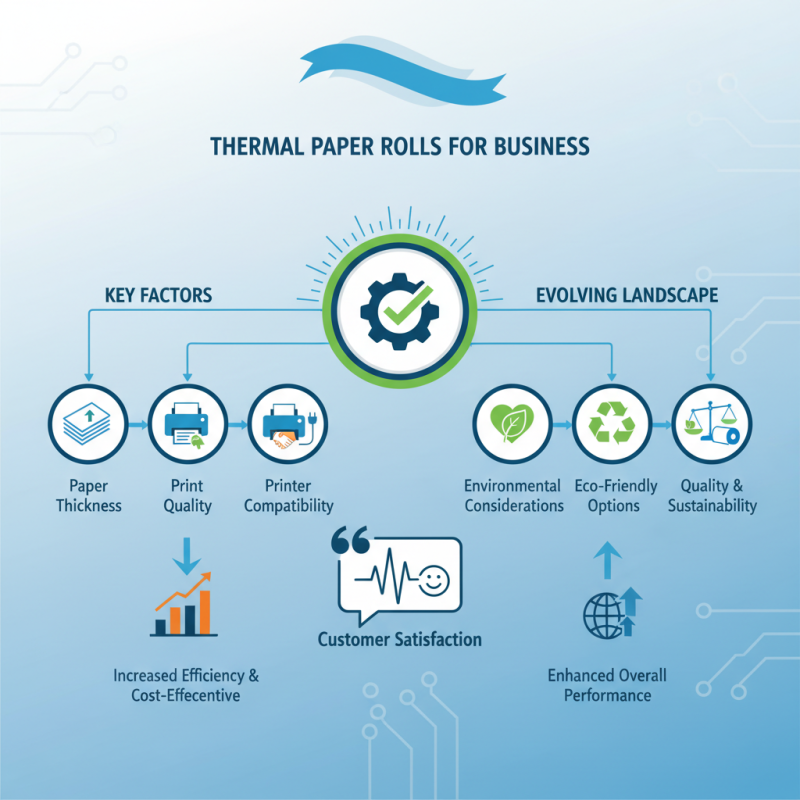
Selecting the best thermal paper can seem overwhelming due to various options. Many factors influence this choice, including paper thickness, print quality, and compatibility with printers. Neglecting these details can lead to delays and increased operational costs. In my experience, businesses often overlook the importance of sourcing high-quality thermal paper.
Moreover, the landscape of thermal paper is evolving. Environmental considerations are increasingly becoming a priority for many companies. The demand for eco-friendly options is rising. In this context, it’s essential to strike a balance between quality and sustainability when choosing Thermal Paper Rolls. By focusing on these aspects, businesses can make informed decisions that enhance their overall performance.
Understanding Thermal Paper: Composition and Types
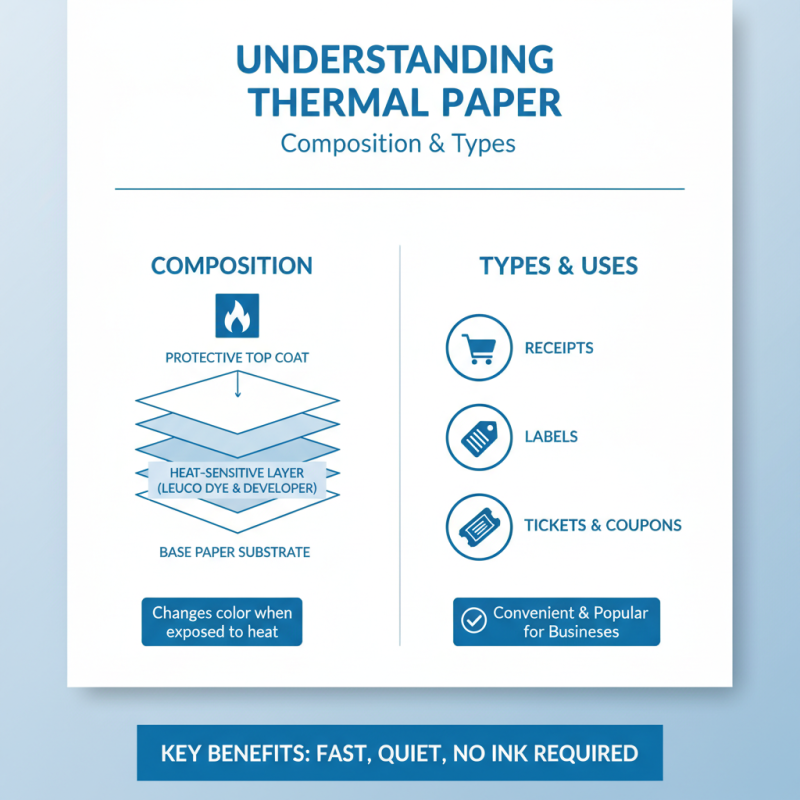
Understanding thermal paper is key to making informed choices. Thermal paper is a specialty paper designed for use in thermal printers. This paper contains a heat-sensitive coating that changes color when exposed to heat. It is widely used in receipts, labels, and tickets, and its convenience makes it a popular choice for businesses.
When selecting thermal paper, you should be aware of two main types: standard and premium. Standard thermal paper is cost-effective but may not last long. Premium thermal paper provides better durability and print quality, making it suitable for long-term storage. Consider the lifespan of your printed material; choose accordingly.
Tips: Always test your thermal paper with your printer. This ensures compatibility. Regularly check for fading—especially in temperatures or conditions that may affect print quality. Store your rolls in a cool, dry place to prevent premature aging.
Factors to Consider When Choosing Thermal Paper Rolls
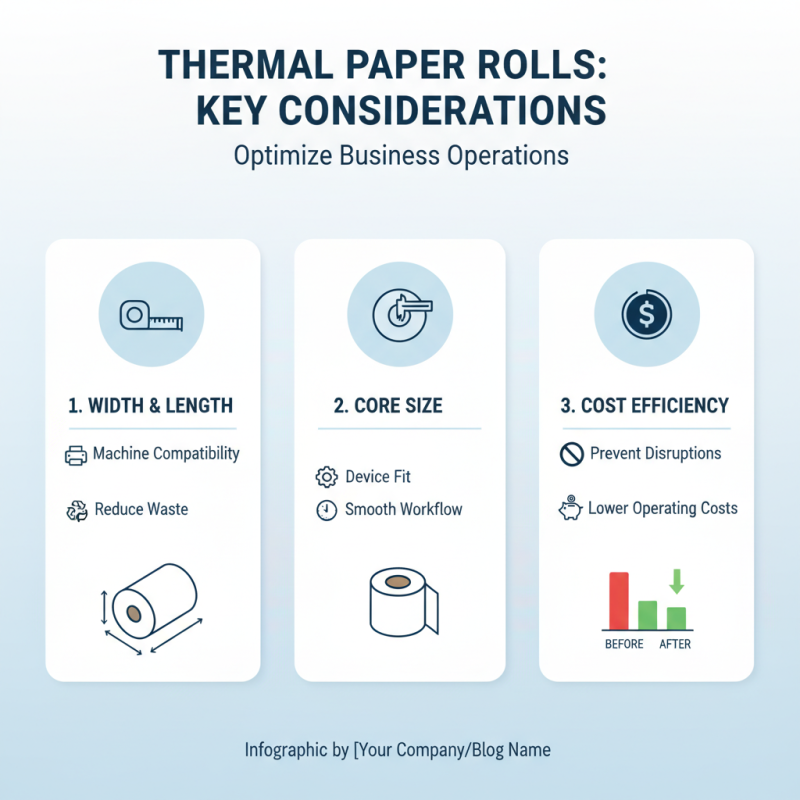
Choosing the right thermal paper rolls can significantly impact your business operations. Start by considering the width and length of the rolls. Different machines require specific dimensions, and using the wrong size can lead to unnecessary waste. It's also vital to assess the core size, as it must fit your printing devices properly. Incorrect sizing can disrupt workflow and increase costs.
Next, the quality of thermal paper is essential. Look for paper with a consistent coating. A high-quality coating ensures crisp prints that won’t fade quickly. Cheaper options might produce smudged or illegible receipts. Additionally, consider the sensitivity of the paper. Some environments require quick thermal reaction, while others may not. Finding the right balance is key to maintaining efficiency and customer satisfaction.
Lastly, think about the environmental impact. Biodegradable options exist, and many businesses now seek sustainable practices. While these options might be pricier, they can enhance your brand image and attract eco-conscious consumers. Reflect on your choices to ensure they align with your business values. Balancing quality, cost, and sustainability isn't easy, but it's crucial.
Top Brands for Quality Thermal Paper Rolls
When selecting thermal paper rolls, quality is essential for optimal business operations. According to industry reports, the average lifespan of thermal paper is about 5 to 7 years when stored correctly. Low-quality paper can fade quickly, leading to customer complaints and increased costs. A good thermal paper roll should maintain readability for a long time, ensuring your receipts, labels, and tickets remain clear.
Top brands consistently demonstrate their reliability through extensive testing. Studies suggest that high-quality thermal paper has a smoother surface. This results in better print clarity and fewer jams in printers. Furthermore, businesses that prioritize superior paper often see a marked increase in customer satisfaction. It’s crucial to assess both the composition of the thermal paper and manufacturer specifications. Some cheaper options may not meet environmental regulations, leading to potential legal issues in certain regions.
It's worth noting that not all thermal papers are created equal. Variations in coating and base stock can significantly impact performance. Businesses must carefully evaluate their needs before making a choice. Engaging with industry professionals may provide insights into emerging paper types and technologies. Reflect on feedback from your staff and customers to ensure optimal decision-making. Quality does not always equal higher cost, but it's essential to avoid the trade-offs that could affect your brand's reputation.
Best Thermal Paper Rolls for Your Business Needs
| Paper Type |
Width (mm) |
Length (m) |
Thickness (mm) |
Quantity per Pack |
Average Price ($) |
| Standard Thermal Paper |
80 |
100 |
0.075 |
50 |
25.00 |
| Eco-friendly Thermal Paper |
57 |
80 |
0.065 |
100 |
30.00 |
| High-Density Thermal Paper |
76 |
150 |
0.080 |
30 |
40.00 |
| Receipt Thermal Paper |
80 |
150 |
0.070 |
100 |
28.00 |
| Mobile Printer Thermal Paper |
50 |
60 |
0.050 |
50 |
20.00 |
Applications of Thermal Paper in Various Industries
Thermal paper plays a vital role in various industries, serving multiple purposes that streamline operations. In retail, it is commonly used for receipt printing. Customers enjoy quick transactions, but the durability of these receipts can be an issue. Many don’t realize that temperature affects the longevity of printed text.
In healthcare, thermal paper has essential applications. It is used for printing patient records and labels. The clarity and speed of printing are critical. However, if not stored properly, these labels can smudge. This can create confusion, especially when it comes to medication administration.
The hospitality industry also benefits greatly from thermal paper. It is used for printing orders in kitchens and receipts in restaurants. While these processes enhance efficiency, there can be drawbacks. For example, restaurant staff may face challenges with faded receipts that lead to miscommunication. These examples highlight the importance of selecting the right thermal paper for each specific use.
Applications of Thermal Paper in Various Industries
Tips for Storing and Handling Thermal Paper Rolls
Storing and handling thermal paper rolls correctly is crucial for their performance. Extreme temperatures can damage the paper. Keep the rolls in a cool, dry place. Avoid areas with high humidity or direct sunlight. Temperature fluctuations can shorten the shelf life. It's advisable to stack the rolls vertically rather than horizontally. This prevents warping and preserves quality.
When handling thermal paper rolls, use clean hands. Oils and dirt can affect print quality. It's essential to keep the paper away from chemicals. Some substances can discolor or damage it. Always check the expiration date. Old rolls may lead to faded prints. If you notice any unusual smells, it’s a sign to discard the paper.
Regularly inspect your supplies to ensure quality. Sometimes, you might find a roll that has been damaged. Keeping an organized inventory helps avoid using outdated stock. Don’t rush the handling process. Taking time can prevent mistakes that might ruin your prints. Overall, be mindful of your storage practices. Neglecting these details can lead to frustrating outcomes in day-to-day operations.