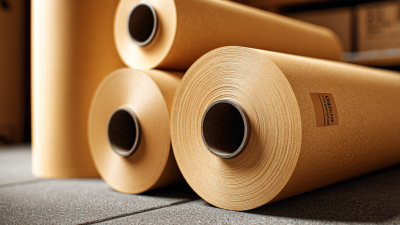
When it comes to running a successful business, the importance of efficient and reliable transaction processing cannot be overstated. One essential yet often overlooked component of this process is the choice of Paper Receipt Rolls. These rolls not only ensure that customers receive clear and legible receipts but also play a crucial role in record-keeping and inventory management. With a variety of options available in the market, selecting the best Paper Receipt Rolls tailored to your specific business needs is paramount for streamlining operations and enhancing customer satisfaction.
In this guide, we will explore the different factors to consider when choosing Paper Receipt Rolls, such as size, thermal or non-thermal materials, and cost-effectiveness. Understanding the requirements intrinsic to your business model will empower you to make informed decisions that can ultimately impact productivity and customer experience. By delving into the various types and features available, we aim to equip you with the knowledge necessary to select the best Paper Receipt Rolls for your operational needs, driving both efficiency and success in your business endeavors.
When selecting the right paper receipt rolls for your business needs, understanding the different types available is crucial. The most common types include thermal paper, bond paper, and carbonless paper. Thermal paper is widely used for its convenience; it produces print without needing ink, making it a cost-effective choice for high-volume receipt printing. According to a report by Smithers Pira, the global market for thermal paper is projected to reach approximately 1.5 million metric tons by 2025, highlighting its popularity across various retail sectors.
Bond paper, on the other hand, is favored for its durability and ability to produce a high-quality print. It often comes in a variety of weights and finishes, allowing businesses to choose quality that suits their image. Reports indicate that the bond paper segment is growing as businesses seek to enhance brand visibility through printed receipts.
Additionally, carbonless paper is utilized mainly for duplicating receipts, making it an efficient choice for businesses that require multiple copies. The increasing demand for eco-friendly options in receipt paper is evident, with market research suggesting that companies are shifting towards materials that minimize environmental impact, further contributing to the growth of this segment. By understanding these options, businesses can make informed choices that align with their operational needs and customer expectations.

When selecting the best paper receipt rolls for your business, it is essential to consider several key factors to ensure that you meet your specific needs efficiently. One of the primary aspects to evaluate is the size of the receipt roll. The width and diameter can vary, and it’s crucial to choose a roll that is compatible with your Point of Sale (POS) system and printer. Additionally, the length of the roll impacts how frequently you will need replacements; longer rolls can reduce the frequency of changes, minimizing downtime during busy business hours.
Another significant factor is the quality of the paper used in the rolls. The thermal sensitivity, brightness, and texture of the paper can influence the clarity and durability of printed receipts. High-quality paper will produce clear, legible receipts that can withstand handling and resist fading over time, which is especially important for businesses that might require keeping records for extended periods. Lastly, consider the type of thermal printing technology your POS system employs, as this can determine the kind of receipt rolls that will work best. Compatibility with eco-friendly options may also be an important consideration, reflecting your business's commitment to sustainability.
When selecting paper receipt rolls for your business, quality and durability are paramount. Various brands offer different features that impact their performance in everyday use. High-quality receipt rolls are typically constructed from thicker paper, which not only improves the print quality but also enhances the roll's resistance to tearing or jamming in print mechanisms. This results in fewer interruptions during busy hours and ultimately boosts productivity in retail or service environments.
Durability also extends to how the receipts withstand environmental factors. Some rolls are treated with special coatings that prevent fading, ensuring that printed text remains legible over time, even when exposed to heat or light. Additionally, the longevity of the thermal coating plays a significant role; rolls with a higher-quality thermal layer provide clearer prints that last longer, making them ideal for businesses that need to keep records accessible for extended periods. Investing in superior paper receipt rolls can make a notable difference in operational efficiency and customer satisfaction.
When budgeting for paper receipt rolls, it’s essential to start with a clear understanding of your business needs. The quantity of receipts generated daily can significantly influence your choice of roll size and type. Assessing the volume of transactions will aid in predicting how many rolls you will require over a specific period. This in turn allows for bulk purchasing, which can lead to considerable savings. Keep in mind that while purchasing larger quantities can be more cost-effective, it’s crucial to avoid overstocking, as this can tie up cash flow and lead to storage issues.
Additionally, the choice of paper quality will impact your overall budget. While cheaper rolls might seem appealing initially, they could result in higher operational costs if they jam frequently or fail to meet your customer service standards, leading to the need for more frequent replacements.
Finding the right balance between price and quality requires careful consideration of your business's specific operations and customer expectations. Ultimately, a well-thought-out cost analysis will ensure that you are investing wisely in your paper receipt rolls while maintaining smooth operational efficiency.
When selecting paper receipt rolls for your business, environmental considerations have become increasingly important. Many businesses are now seeking eco-friendly alternatives that not only fulfill operational needs but also align with sustainability goals. One of the primary options to consider is FSC-certified paper, which ensures that the wood used in its production comes from responsibly managed forests. This certification guarantees that the paper is produced in an environmentally conscious manner, promoting biodiversity and protecting ecosystems.
In addition to sourcing materials responsibly, businesses can explore the use of recycled paper for their receipt rolls. This option significantly reduces waste and energy consumption compared to traditional paper production methods. By choosing recycled paper, companies can contribute to a circular economy, minimizing their ecological footprint while still providing customers with high-quality receipts. It's also worth noting that some receipt rolls are made using soy or vegetable-based inks, which are less harmful to the environment and enhance the overall sustainability of the product. By prioritizing eco-friendly receipt roll options, businesses can make a positive impact on the environment while still meeting their operational needs effectively.