Best Office Paper Types for 2025 You Need to Know
In the ever-evolving landscape of the office paper industry, understanding the best types of office paper for your specific needs has become essential for businesses looking to optimize their operations. According to industry expert Dr. Lisa Hayes, a leading figure in sustainable office solutions, “The right office paper can significantly reduce waste while enhancing productivity.” As we approach 2025, organizations must stay informed about the latest advancements and trends in office paper to ensure their choice aligns with both environmental and functional criteria.
Today’s office paper options are not just about aesthetics or price; they encompass a range of features catering to sustainability, printing technology, and usability. With the rise of digital solutions, many may overlook the importance of selecting the right office paper. Nevertheless, the quality of the paper directly impacts the outcome of printed materials, influencing everything from client presentations to internal documents.
As we delve into the best office paper types for 2025, it is crucial to consider factors such as brightness, weight, and finish, alongside eco-friendliness. The decisions made today will not only affect operational efficiency but also contribute to a sustainable future for the paper industry.
Understanding Office Paper Types: An Overview for 2025
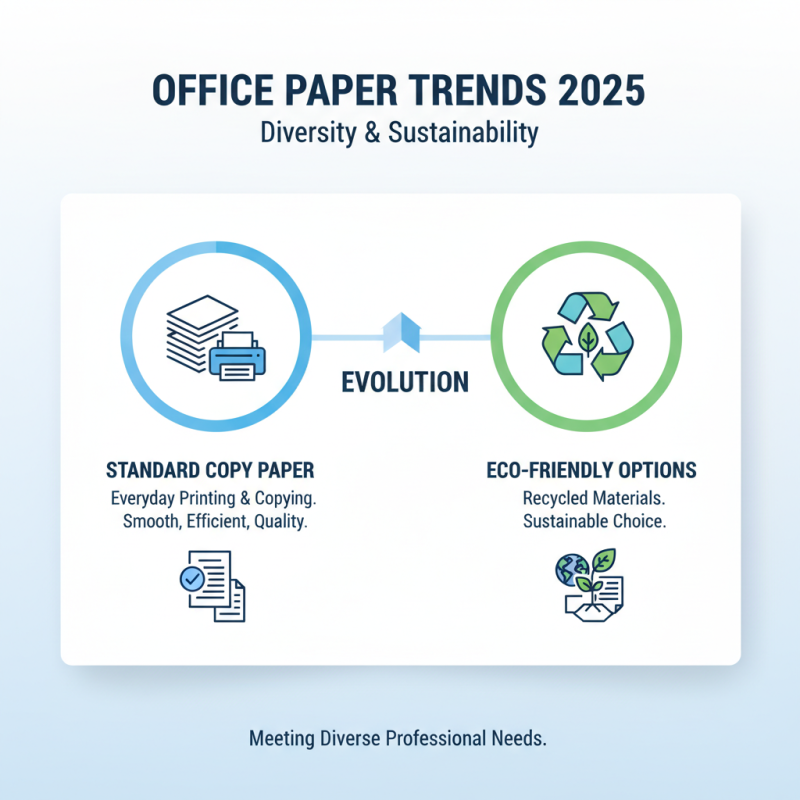
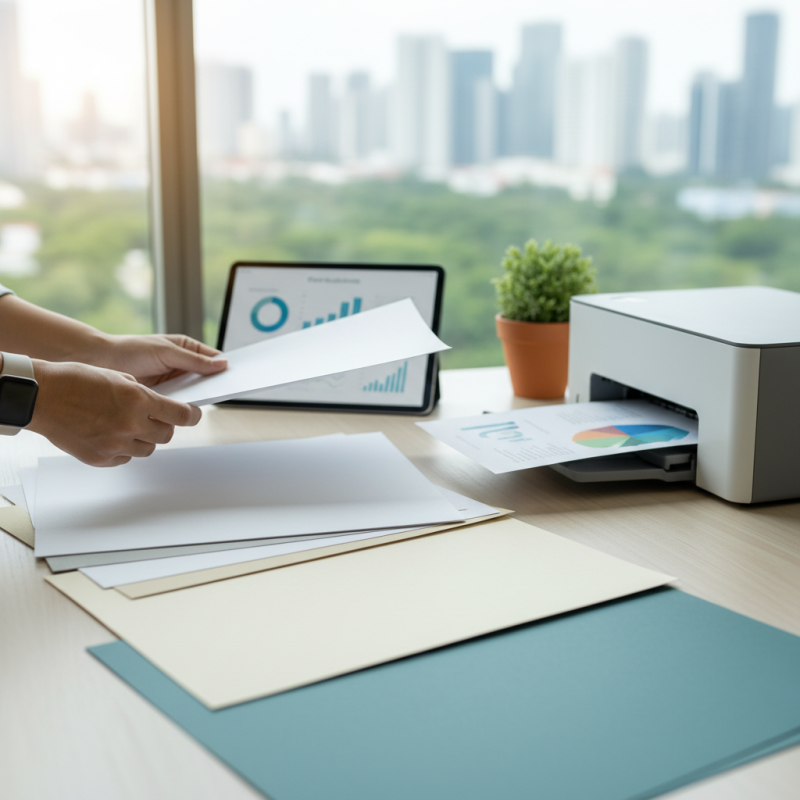
As we move into 2025, the diversity of office paper types has expanded, catering to a variety of needs in the professional environment. One crucial type is standard copy paper, which remains the backbone of everyday printing and copying tasks. This type of paper, typically available in various weights, is designed for efficiency and quality, offering a smooth surface for crisp text and vivid images. Additionally, there’s an increasing demand for eco-friendly paper options, made from recycled materials, reflecting a growing trend towards sustainability in office practices.
Another essential category is specialty paper, which includes options like cardstock and glossy photo paper. This type is particularly useful for presentations, marketing materials, and other forms of communication that require a higher quality finish. Meanwhile, digital paper is gaining attention for its compatibility with various digital printing technologies, allowing for innovative designs and formats that traditional paper types may not support. Understanding these different paper types is crucial for optimizing your office workflow and ensuring that you choose the right paper for every task in 2025.
Key Features to Look for in Office Paper for 2025
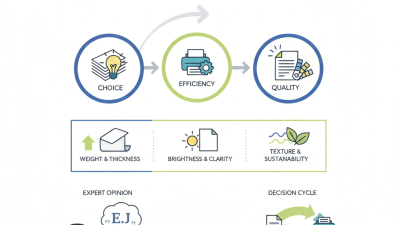
When selecting office paper for 2025, understanding key features is essential for both efficiency and sustainability. One of the primary considerations is the paper's weight and thickness.
Heavier paper is generally more durable and lends a professional touch to important documents, while lighter paper can be cost-effective for everyday use. Additionally, the brightness level affects print quality;
higher brightness ensures clearer and sharper text, which is crucial for presentations and reports.
Another vital aspect to consider is the paper’s environmental impact. As awareness of sustainability grows, choosing recycled or sustainably sourced paper becomes more critical for businesses aiming to reduce their carbon footprint.
Certifications such as FSC (Forest Stewardship Council) and Eco-labels can guide buyers toward products that are environmentally friendly. Moreover, look for paper that is compatible with various printing technologies, including inkjet and laser options, to ensure versatile use across your office.
Finally, texture and finish also play a significant role in paper selection. Smooth finishes are ideal for professional documents, while textured options can enhance creative projects. Moreover,
special coatings that resist smudging or enhance ink adhesion can significantly improve the overall quality of printed materials.
By focusing on these key features, businesses can make informed choices that meet their operational needs while aligning with modern sustainability trends in office supplies.
Sustainability in Office Paper: Eco-Friendly Options for 2025
As we move towards 2025, sustainability in office paper is becoming increasingly important for organizations looking to minimize their environmental footprint. According to a report by the Environmental Paper Network, the production of paper accounts for approximately 26% of global deforestation, contributing significantly to climate change and loss of biodiversity. As businesses seek eco-friendly options, recycled paper is emerging as a frontrunner. Recycled paper not only uses fewer natural resources than virgin paper, with a 70% reduction in energy consumption, but it also helps divert waste from landfills, thereby supporting circular economy practices.
Another sustainable option gaining traction is paper made from alternative fibers, such as bamboo, hemp, and agricultural waste. Research shows that these materials can require far less water and chemical treatment compared to traditional wood pulp. For instance, bamboo grows rapidly and can be harvested in under five years, offering a renewable source that can alleviate pressure on forests. By incorporating these eco-friendly alternatives, companies can not only meet regulatory pressures for sustainability but also enhance their corporate social responsibility image, positioning themselves as leaders in an increasingly eco-conscious market.
In 2025, organizations will need to align their paper procurement strategies with sustainability goals, opting for products that are certified by reputable third-party organizations such as the Forest Stewardship Council (FSC). Emphasizing eco-friendly options not only contributes to environmental conservation efforts but also resonates with a growing consumer base that values corporate responsibility, ultimately driving business success.
Best Office Paper Types for 2025 You Need to Know - Sustainability in Office Paper: Eco-Friendly Options for 2025
| Paper Type |
Recycled Content (%) |
Forest Stewardship Council Certified |
Elemental Chlorine Free |
Carbon Neutral |
| 100% Recycled Paper |
100% |
Yes |
Yes |
Yes |
| Sustainable Forestry Paper |
30% |
Yes |
Yes |
No |
| Tree-Free Paper |
0% |
No |
Yes |
Yes |
| Eco-Friendly Printer Paper |
50% |
Yes |
Yes |
Yes |
| Bamboo Paper |
0% |
No |
Yes |
Yes |
Specialty Office Papers: Meeting Diverse Needs in the Workplace
In today's rapidly evolving workplace, the demand for diverse office paper types has never been greater. Specialty office papers are designed to meet specific needs that go beyond traditional printing and copying. From textured papers that enhance the tactile experience of business communications to waterproof variants suitable for outdoor use, these papers provide innovative solutions to various challenges in the office environment.
Moreover, specialty papers cater to different functionalities, such as those designed for high-quality color printing that ensures vivid visuals for marketing materials. Unique finishes, like gloss or matte, can take business presentations and reports to the next level, giving them a professional edge. The growing trend toward eco-friendly office supplies has also led to the rise of sustainable specialty papers made from recycled materials, appealing to environmentally conscious businesses aiming to reduce their carbon footprint while maintaining quality and performance.
These advancements in specialty office papers reflect the need for versatility in modern workplaces. Organizations can select papers based on the nuances of their projects, desired aesthetics, and sustainability goals. As we move into 2025, understanding these diverse paper types will be essential for professionals looking to optimize their workplace resources and enhance communication effectiveness.
Trends in Office Paper Usage: What to Expect in 2025
As we approach 2025, the landscape of office paper usage is expected to evolve significantly, driven by advancements in technology and a growing emphasis on sustainability. According to a recent report from Smithers Pira, the global demand for paper used in offices is projected to decline by over 25% due to the increasing adoption of digital solutions. However, this does not mean that paper will become obsolete; rather, it will transition towards more specialized and environmentally friendly types.
The trend towards sustainable paper types is gaining traction, with recycled and eco-friendly paper options expected to make up a larger share of the market. A study by the Forest Stewardship Council indicates that consumers are becoming increasingly conscious of their environmental footprint, leading to a shift in preferences for paper products. By 2025, it's anticipated that offices will favor paper produced from sustainable sources, thereby supporting responsible forestry and reducing waste.
Tip: As businesses prepare for these changes, it's essential to assess your current paper usage and explore alternatives that align with sustainability goals. Consider investing in digital documentation solutions to reduce overall consumption while opting for recycled or FSC-certified paper for necessary print materials. Additionally, encourage employees to adopt a culture of mindful printing, which can significantly impact both cost and environmental sustainability as we move into 2025.