2026 Best Copy Paper Options for Quality Printing?
Choosing the right copy paper can significantly affect your printing experience. In the world of printing, quality matters. The texture, brightness, and weight of copy paper contribute to overall results. Many people underestimate how crucial these factors are.
There are numerous options available, which can be overwhelming. Some may find they favor a thicker paper for sharper images. Others may prefer a lighter weight for everyday use. It's important to consider what you need from the paper. Different projects require different types of copy paper.
Quality doesn't always mean the most expensive. Sometimes, affordable options can give you great results. However, it's necessary to test a few brands to find what suits your needs best. Think about the finish you desire—smooth or textured. Each choice impacts your printing outcome. Crafting the perfect printed document might take a few trials. Remember, the right copy paper can enhance your work.
Understanding Different Types of Copy Paper Available in 2026
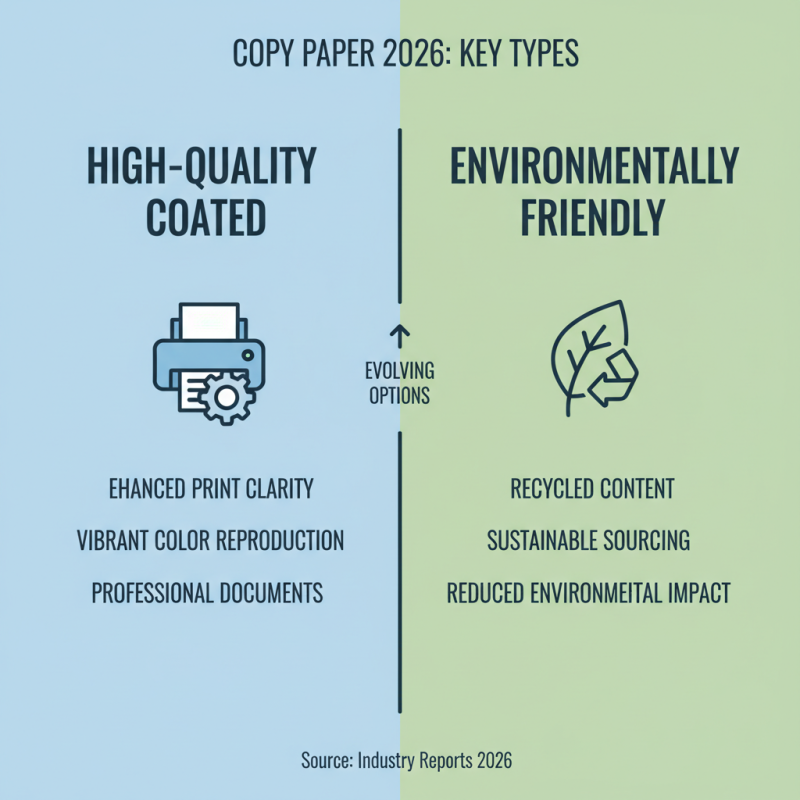
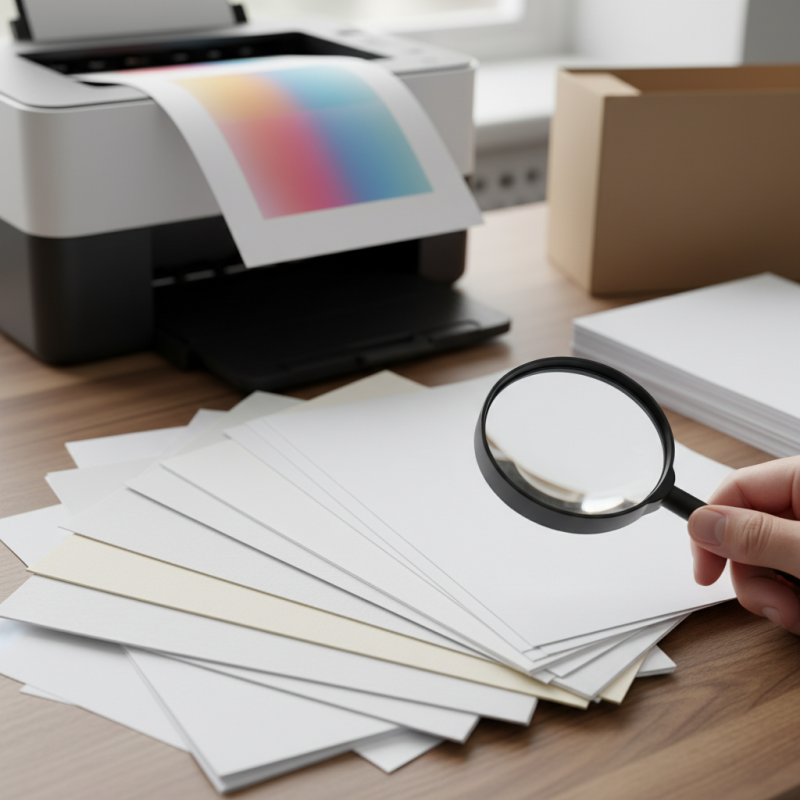
In 2026, the variety of copy paper options continues to expand. This year's most notable types include high-quality coated sheets and environmentally friendly alternatives. According to industry reports, coated papers enhance print clarity significantly. They provide vibrant color reproduction, essential for professional-looking documents. However, choosing the right type can feel overwhelming.
Recycled paper is gaining traction as more businesses aim for sustainability. Research indicates that using recycled paper can reduce carbon emissions by nearly 60%. This shift reflects a growing awareness of environmental impact, although some still question the quality compared to virgin paper. Not all recycled papers are created equal, leading to inconsistencies in results.
Brightness is another important factor in copy paper selection. The brightness level, measured on a scale from 1 to 100, influences how colors appear. Most professionals prefer papers with a brightness ranging from 94 to 100 for best results. Yet, higher brightness levels can sometimes result in more glare. This can affect the readability of printed documents, prompting users to think critically about their choice.
Key Features to Consider When Choosing Quality Copy Paper
When selecting quality copy paper, several features are crucial.
Paper weight is one of the most significant factors.
Generally, a weight of 20 lb (75 gsm) is standard, suitable for everyday printing.
However, a heavier paper, like 24 lb (90 gsm), offers a more professional feel.
According to a report by Smithers Pira, heavier paper results in better print quality and durability.
Another important aspect is brightness.
Papers range from 86 to 100 brightness levels.
Higher brightness enhances color vibrancy for presentations and marketing materials.
If you print in color, consider using paper with a brightness of at least 98.
However, not every situation requires high-brightness paper.
Sometimes, lower brightness can create a softer, more elegant appearance.
Lastly, consider the finish.
Typical finishes include matte, glossy, and satin.
A glossy finish can make images pop, while matte is often preferred for text-heavy documents.
A study by the Paper and Paperboard Packaging Environmental Council notes that the finish can influence reader perception.
While gloss might be appealing, it may not suit every project.
Balancing print requirements with personal or corporate needs is essential for making the right choice.
Comparative Analysis of Cost vs. Quality in Copy Paper Options
Choosing the right copy paper can make a significant difference in printing quality. A comparative analysis shows that high-quality paper costs more but enhances print clarity. According to industry data, the difference can be as much as 15% to 25% between standard and premium options for similar weight types.
Cost is an essential factor. Many offices tend to choose the cheapest option. However, this often leads to poorer print results and potential paper jams. A report by the Copy Paper Association revealed that choosing quality paper can reduce printing errors by up to 30%. This means less wasted paper and ink over time.
Tips: Consider brightness and smoothness when selecting paper. Higher brightness enhances color visibility. Many users overlook the importance of paper weight; choosing the wrong weight can lead to misfeeds. Review your printing needs regularly and adjust your paper choices accordingly. Reflecting on your preferences will improve your overall printing experience.
Sustainability in Copy Paper: Eco-Friendly Choices for 2026
Sustainability in copy paper is increasingly essential. As businesses and individuals strive to reduce their environmental impact, choosing eco-friendly paper is a meaningful step. In 2026, consumers have access to various sustainable options. Many papers are made from recycled materials, minimizing deforestation. Others are produced using responsible forestry practices.
When selecting copy paper, consider its certifications. Look for FSC or recycled content labels. This ensures the paper meets certain environmental standards. Additionally, think about the manufacturing process. Some papers use less water and energy. This contributes to a smaller carbon footprint.
Tips:
Opt for papers that are bleach-free. They tend to have a lower environmental impact. Always check the paper’s brightness and opacity. Higher brightness often requires more chemicals. Seek out balanced options for everyday use.
Transitioning towards sustainable copy paper may take time. Not everyone can find the perfect eco-friendly option immediately. Be patient and keep comparing choices. It’s a small journey for a greener planet.