Top 10 Benefits of Using Thermal Papers for Your Business Needs
In today's fast-paced business environment, efficiency and reliability are paramount. One of the innovative solutions that has gained immense popularity across various sectors is the use of Thermal Papers. These specialized papers are designed to produce images and text through a unique heat-activation process, making them an ideal choice for a multitude of applications, from retail receipts to labels and tickets. Their versatility and effectiveness not only streamline operations but also enhance customer satisfaction and reduce costs.
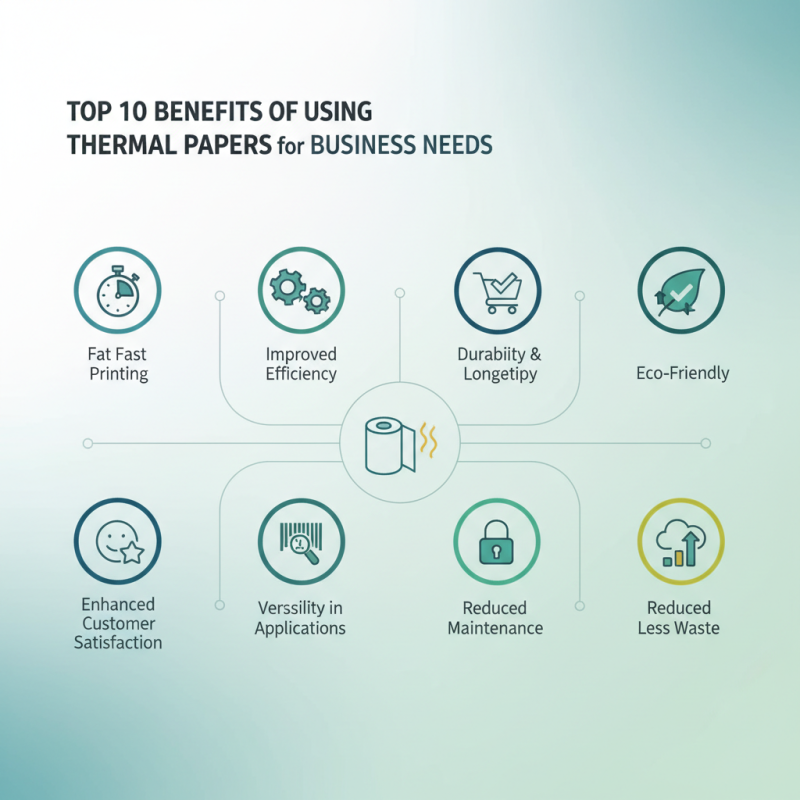
The adoption of Thermal Papers offers a range of benefits that can significantly elevate a business's performance. From their quick printing capabilities that help in managing high-volume transactions to their durability that ensures longevity without fading, the advantages are evident. Furthermore, Thermal Papers are environmentally friendly options, as they often require less ink and produce less waste compared to traditional printing methods. As organizations continually seek ways to improve their operations and service delivery, understanding the top benefits of using Thermal Papers is essential for making informed decisions that promote growth and sustainability.
Advantages of Thermal Paper: An Overview for Businesses
Thermal paper has become an essential component for many businesses, offering increased efficiency, cost savings, and convenience. One of the major advantages is its use in point-of-sale transactions. According to a report by Smithers Pira, the market for thermal paper is projected to reach $4.5 billion by 2025, indicating a robust demand across various industries. This growth is largely fueled by the paper’s quick printing capabilities, which not only speeds up transactions but also enhances customer satisfaction.
In addition to operational benefits, thermal paper is environmentally friendly, as it often contains less toxic material compared to traditional paper. Many thermal paper products are now made from recycled materials, supporting businesses in their sustainability efforts. Furthermore, the longevity of thermal prints, which can last for years when stored correctly, ensures that businesses maintain important transaction records without the need for constant reprinting.
Tips: When choosing thermal paper, ensure that it is compatible with your printing equipment to avoid jams and reduce waste. Additionally, consider selecting heat-resistant options to prevent fading, especially in high-temperature environments. By making informed decisions regarding thermal paper, businesses can optimize their operations while supporting sustainability initiatives.
Cost-Effectiveness of Thermal Papers Compared to Traditional Printing Solutions
Thermal papers are becoming increasingly popular among businesses for their cost-effectiveness when compared to traditional printing solutions. A recent report from Market Research Future indicates that the global thermal paper market is expected to grow at a CAGR of 5.8% between 2021 and 2027, reflecting the growing preference among businesses to reduce operational costs. The elimination of ink cartridges, ribbons, and toners associated with traditional printing can lead to substantial savings. For example, businesses can save up to 30% on printing costs by switching to thermal paper, particularly in high-volume printing scenarios like receipts and labels.
Utilizing thermal papers not only cuts costs but also reduces waste. According to a study published by the Environmental Protection Agency (EPA), businesses that switch to thermal printing can decrease their carbon footprint due to the minimized requirement of consumables. Furthermore, the energy efficiency of thermal printers is noteworthy—these printers consume less electricity, which translates to additional savings on utility bills over time.
Tips for businesses considering a switch to thermal papers include evaluating your current printing volume to determine potential savings, and investing in high-quality thermal printers that deliver reliable performance. It’s also crucial to ensure proper storage conditions for thermal papers to prevent degradation, which can affect print quality. Consider the environmental impact as well; opting for BPA-free thermal papers may cater to eco-conscious consumers and enhance your brand's sustainability image.
Durability and Longevity: How Thermal Papers Stand the Test of Time
Thermal papers have become an essential tool for many businesses, especially due to their impressive durability and longevity. Unlike traditional printing methods that rely on ink, thermal paper utilizes heat to create images on the surface, which leads to a significant reduction in wear and tear over time. This unique characteristic ensures that important documents such as receipts and invoices remain legible for extended periods, making them ideal for environments where longevity is crucial. Whether it's a retail setting or a hospitality venue, the use of thermal paper can greatly enhance the longevity of printed materials, decreasing the need for reprints and saving costs in the long run.
Furthermore, thermal paper is designed to withstand various environmental factors that can typically affect document integrity. For instance, it is less susceptible to fading caused by exposure to sunlight or heat compared to conventional papers. This ensures that important information remains clear and accessible, even in challenging conditions. Additionally, with proper storage, thermal papers can last for years without deteriorating, enabling businesses to maintain accurate records and customer interactions over time. By investing in thermal paper, companies can ensure reliable, lasting communication with their clients, further solidifying their professional image in an evolving market.
Environmental Impact: The Sustainability of Thermal Paper Use
The environmental impact of thermal paper usage is a crucial aspect of its benefits for businesses. Thermal paper, primarily used for receipts and labels, offers a more sustainable alternative to traditional paper types that require chemical coatings and extensive water use during production. According to a report by Allen & Overy, the manufacturing of conventional receipts often involves toxic materials that can harm ecosystems. In contrast, thermal paper is designed to be environmentally friendly; many products today are made from FSC-certified sources, ensuring that the wood used comes from sustainably managed forests.
Moreover, thermal paper can significantly reduce waste and energy consumption in business operations. The environmental footprint of producing one ton of traditional paper is about 4,000 kilowatt-hours, while thermal papers generally require less energy and water in their production process. A 2021 study highlighted that using thermal paper can save up to 60% more energy compared to traditional printing methods. Additionally, advancements in thermal paper technology have led to the development of BPA-free options, offering a safer alternative for consumers and reducing harmful exposure. As businesses increasingly focus on sustainable practices, adopting thermal paper solutions can align with their commitment to environmental responsibility and contribute to a greener future.
Improving Business Efficiency with Fast Printing Capabilities of Thermal Papers
Thermal papers have gained popularity in various industries due to their ability to produce prints quickly and efficiently, enhancing overall business operations. The fast printing capabilities of thermal papers allow businesses to streamline their processes, significantly reducing wait times for customers. According to a report from Smithers Pira, businesses utilizing thermal printing can improve their transaction speeds by up to 30%, leading to a more efficient checkout experience and increased customer satisfaction.
In addition to speed, thermal papers also offer high-quality prints that are crucial for maintaining brand image. The clear, precise images produced by thermal printers contribute to better readability and professionalism in receipts, labels, and other printed materials. Studies have shown that clear communication through well-printed materials can enhance customer trust and retention rates.
Tip: When implementing thermal printing in your business, consider calibrating the printer for optimal settings to balance speed and quality. Additionally, ensure that your thermal papers are sourced from reliable suppliers to avoid issues such as smudging or fading, which can affect the longevity of your printed materials. Regular maintenance of printing devices will also ensure consistent performance and prolong the life of the machinery.
Top 10 Benefits of Using Thermal Papers for Your Business Needs